Abbmira Therapeutics has been in existence since September 2024 and has neither its own laboratory nor traditional office space. What sounds like a contradiction is, for Julia Biwer, a deliberately chosen model: A lean, virtual start-up that relies on the dense network of specialists within the Basel life sciences cluster. In an interview with the SATW, the economist explains why the Basel ecosystem is ideal for this and where it nevertheless reaches its limits.
Ms Biwer, you studied economics and later worked at the University Hospital of Basel for five years. Then you founded a biotech start-up. What led you to do that?
I’ve always been driven by the question of how to translate innovation into tangible benefits for patients. My economics degree gave me the economic understanding, and at the University Hospital I gained an insight into the medical reality. After studying at the European Centre of Pharmaceutical Medicine in Basel, founding a biotech start-up was the logical next step: turning research into concrete solutions that can improve people’s lives. My personal motivation was never the desire to become an entrepreneur, but the desire to make a difference. We are all affected by cancer at some point. When this happens, you realise that the available treatment options could be more diverse and more patient-centred.
‘You can make scientific progress with minimal resources if you have the right people in your network.’
Julia Biwer, Abbmira TherapeuticsAbbmira operates without its own laboratory; it’s entirely virtual. How does that work in day-to-day practice?
It’s actually a model that’s becoming increasingly prevalent in the biotech industry, and I consider it the smartest approach for the early stages. You don’t incur any fixed costs: no laboratory, no equipment, no staff. When money comes in, it goes straight into research.
What you need for this is an excellent network. And Basel is a huge help in this respect: there are many highly qualified industry experts here – some on ‘garden leave’, some undergoing restructuring – who are interested in start-ups and want to contribute their knowledge. You won’t find a knowledge pool like this anywhere else in Switzerland.
You say that venture capital is hard to come by in Switzerland. Why is that?
It’s both a structural and a cultural issue. Culturally, Switzerland has traditionally been a financial centre, but the money sits in banks or in safe investments, not in venture capital. This starts with individuals and extends to institutional investors such as pension funds.
In the US, pension funds and institutional investors invest in venture capital as a matter of course. In Switzerland, this is rare and tends to happen only in later stages of growth. As a result, we have very few programmes in the biotech sector that invest directly in start-ups: for example, BaseLaunch, which specialises in biotech. This is a good initiative, but only three to four companies are selected each year. Denmark supports 20 to 30 companies a year through a similar programme, even though Denmark is not significantly larger than Switzerland.
There is now an initiative called Deep Tech Nation Switzerland that aims to change this. I think that’s important. But we are still a long way from pension funds actually channelling money into venture capital.
What does this mean for your own funding situation?
We are currently funded by a bilateral Innosuisse grant with a research group in Warsaw, as well as through the three founders’ own investment. So we’re also putting our own money into it. Since the end of May 2026, our first external pre-seed round has been open to business angels and family offices. A number of investments have already been secured. That’s an important step.
Our aim is to generate as attractive a data package as possible by Phase 1. The first clinical phase already costs around thirty million Swiss francs – which is just about manageable for a biotech company with institutional investors. Phases two and three cost hundreds of millions. Only Big Pharma can afford that. That’s why Big Pharma isn’t our competitor, but our partner.
Basel is heavily dependent on Novartis and Roche. Do you see that as a risk?
Yes, and that is something which, in my view, is not discussed enough. Basel is an incredibly rich source of expertise, precisely because these two companies are based here. Many highly qualified specialists who come from Novartis or Roche form a pool from which we, as a start-up, benefit directly.
But if these companies were to leave one day – in a worst-case scenario – Basel would face more than just a massive tax problem. It would also lose a huge amount of expertise and appeal. Boston is more resilient in this respect: all the major pharmaceutical firms are based there, and the global presence is so broad that dependence on one or two players is much lower. We in Basel should strive to build a broader base comparable to that of Boston.
“‘Sculpting the immune system’ means influencing the immune system in such a way that it actively combats diseases, rather than merely suppressing them.”
Julia Biwer, Abbmira TherapeuticsWhat is the vision behind Abbmira, and where do you see the company in five years’ time?
Our main aim is to activate the innate immune system against cancer. This is the ‘Holy Grail’ of oncology, as many have tried but without lasting success. We believe that with our approach – small molecules that activate immune cells – we have found a new way forward.
The immune system is about much more than just cancer. There are direct links to autoimmune diseases, which also interest us. Internally, we talk about ‘sculpting the immune system’ – shaping the immune system so that it actively combats diseases, rather than merely suppressing them. That is the vision that drives us.
In five years’ time, we aim to have our drug candidate in the clinical phase and to demonstrate that the innate immune system can be a genuine lever against cancer.
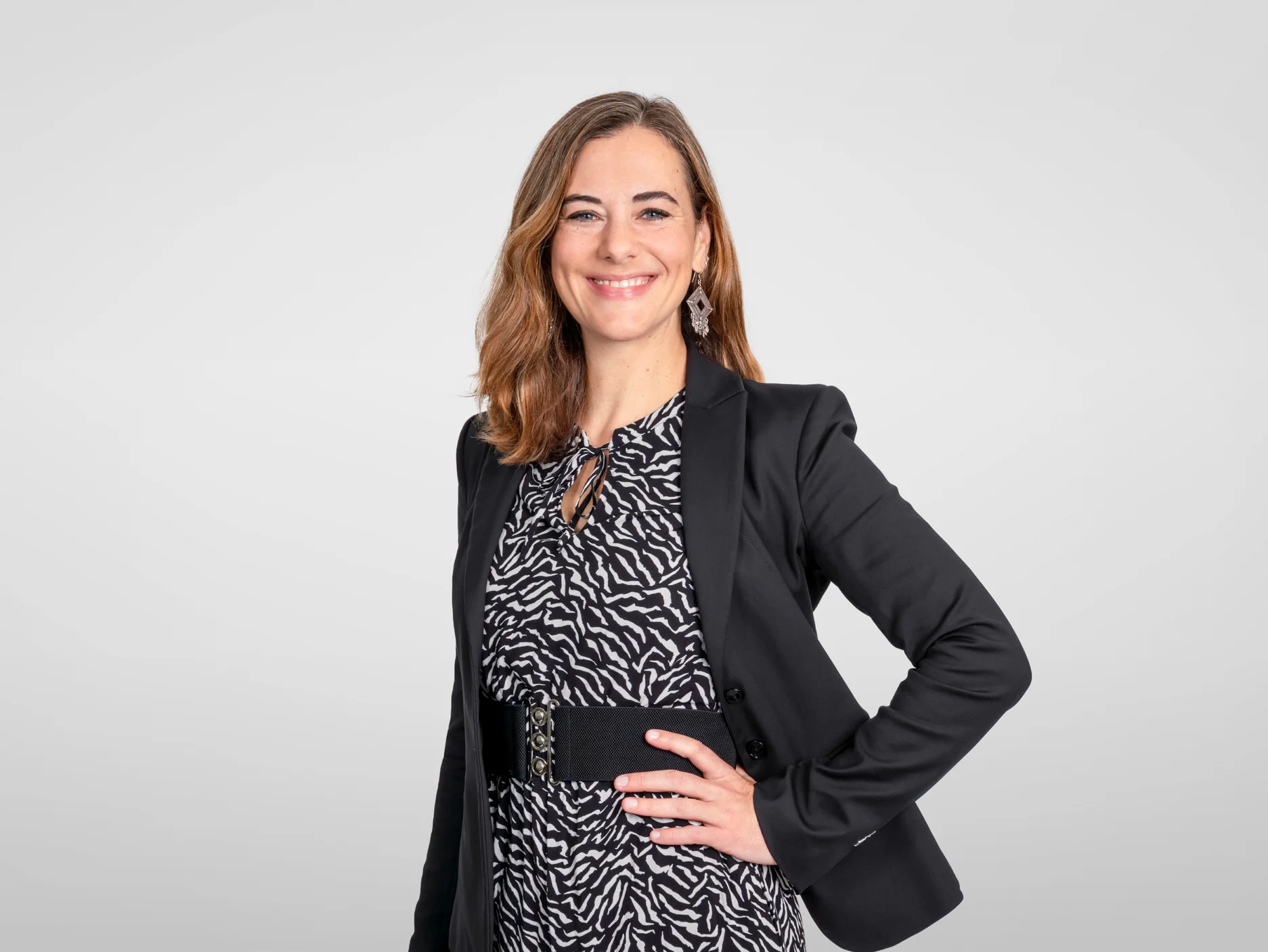
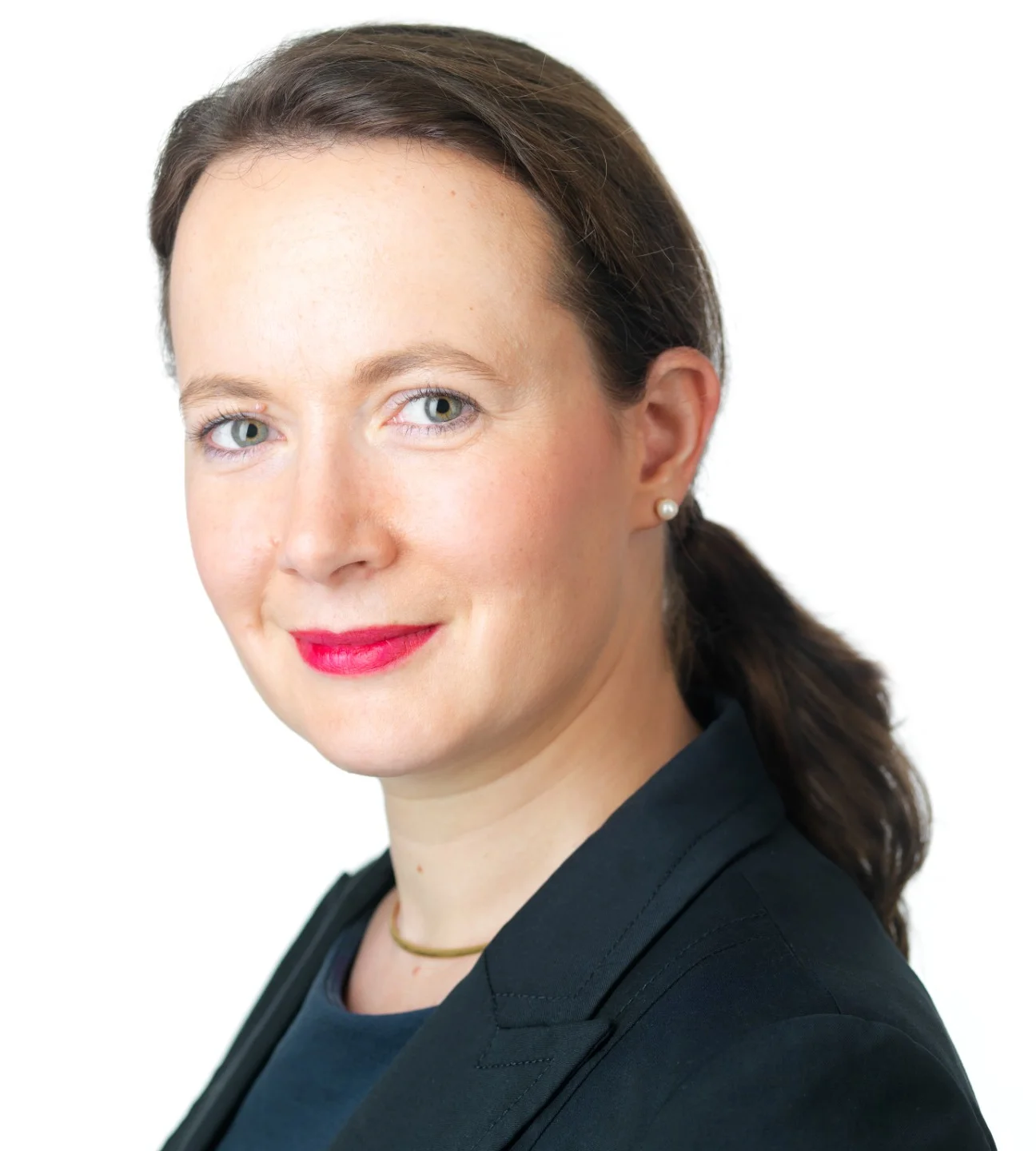
Julia Biwer is COO and co-founder of Abbmira Therapeutics in Basel. The start-up is developing a bacterially inspired active substance that activates the innate immune system against tumours. The company was founded in September 2024 and operates virtually – without its own laboratory. Abbmira is featured as a showcase in the life sciences sector in the SATW’s Technology Outlook 2025.
| Role | Title + Name |
|---|---|
| Text by | Esther Lombardini |
| Expertise | Julia Biwer |