Ms Poli, the SATW is deeply involved in the technologies that will shape Switzerland as a business hub: from advanced manufacturing and new materials to artificial intelligence (AI). As part of your research, you investigate how materials react under extreme conditions. Which of these findings from space research have the greatest potential to transform industries here on Earth as well?
There are regularly technologies developed for space travel that have an impact on our lives here on Earth, ranging from Velcro and heat shields to transparent materials for dental braces. At present, however, there is a great deal of hype surrounding the production of materials in microgravity, as well as medicines and artificial organs. In fact, under microgravity conditions, it is possible to cultivate organoids and – it is hoped – organs that are viable for patients requiring a transplant. Similarly, single-crystal materials require growth conditions that would be favoured under microgravity. Added to this is the prospect of manufacturing entirely using ‘local’ resources, such as on the Moon and Mars – for example, 3D-printing dwellings from lunar regolith.
As an analogue astronaut, you have led missions in which teams had to work together under conditions of extreme isolation and under time pressure, such as the Asclepios mission in the Grimsel region or the Amadee 24 mission in Armenia. The SATW is committed to interdisciplinary collaboration between research, industry and society. What can teams from the Swiss innovation landscape learn from such analogue missions?
Such missions are excellent test platforms for interdisciplinary research, as well as for the implementation and logistics associated with space missions. In fact, every discipline can be tested during these missions, from engineering and architecture to medicine, agriculture and psychology. The challenges in team management are the most complex – the technology remains, by and large, manageable and, whilst requiring extremely careful planning, this is necessary as it safeguards human lives. People, on the other hand, are less likely to adhere to protocols and are susceptible to fatigue and stress. These missions offer fantastic opportunities to develop teamwork, empathy, communication and leadership skills. Realising that the team tackles problems together, but also that every problem must be solved, is very inspiring. You learn that every individual possesses skills and competences that complement those of others, and that each person contributes a building block of knowledge and talent. When you combine these, you create wonderful things.
Switzerland is often not perceived as a traditional spacefaring nation, yet it has been a member of the ESA since its inception and is the cradle of pioneering research. The SATW’s ‘Technology Outlook’ regularly identifies the key technologies of the future. How do you view Switzerland’s position in international competition in the field of space technologies? And where does it need to step up its efforts to maintain its lead?
Switzerland has a strong technological presence in the space sector – through its instruments, its astronauts, its capabilities in the field of launch vehicles, but above all in terms of innovation and start-ups. Where Switzerland does, however, have weaknesses is in communication. Switzerland is very often modest; it doesn’t make a fuss, it doesn’t talk about it. However, if we want to continue to have opportunities in space, we must assert ourselves clearly. Switzerland has been involved since the very beginning, since the Apollo missions, and, above all, has never stopped. The Swiss space sector is extremely diverse and covers an impressive range of disciplines, from biology – including bioreactors – to particle physics, in addition to its expertise in sustainable space travel with the RemoveDebris missions. Why don’t we say so? Why don’t we shout it from the rooftops? Or at least find a compromise. I work with a great many different countries, and unfortunately most of them know very little about the role Switzerland plays. It is time to change that so that we can further build on our innovative strength.
You’re involved with Swiss TecLadies, the SATW’s national programme for promoting young talent, which aims to spark an interest in STEM careers among girls and young women. What motivated you to join this programme? And what would you say to girls who are interested in technology but are still hesitant to pursue this path?
What motivated me to take part in the programme was the idea that I am fighting for others’ freedom of choice. So that young girls – but also boys – do not choose their path because society dictates it, but because they want to. It is important that everyone recognises the diversity of technical professions and the various possible career paths – and, above all, that they can have a part in them. It is not essential to achieve a 50:50 ratio between women and men in science degree courses. But we must recognise that every person who chooses this path does so of their own accord, out of interest and passion, and not because society dictates it. As an engineer, a scientist, and even before that as an aviation enthusiast and now as a pilot, I have been asked time and again: ‘Oh, but as a woman, should you really be doing that? / Isn’t it too hard? / Isn’t that unfeminine? / Can girls even do that?’ Questions that I found truly regrettable, as they seemed to focus on my gender rather than my abilities.
To everyone, I’d say: do what you enjoy, fight for what you love, for what you’re passionate about. Be inspired by yourselves; learn from your friends and mentors. And if you haven’t found a mentor yet, become your own mentor. Your own role model.
If you look ten years into the future: how do you personally envisage the interplay between space, technology and society? And what role can organisations such as the SATW play in helping to shape this development?
Space travel plays an exponentially greater role today than it did 10 to 15 years ago. We’re sparking younger generations’ interest in space at an earlier age and training them in this field; we’re also giving them the opportunity to get involved through various initiatives. This is vital for shaping our future, as the growing number of satellites raises environmental and security concerns. All the more so as our technologies – from GPS to climate monitoring – rely on satellites, and manned space exploration has regained momentum thanks to private missions, but also thanks to Artemis. Switzerland has already demonstrated that even its trainees are paving the way for the space age of tomorrow, as exemplified by Asclepios and, of course, PAVE Space (formerly the Gruyère Space Programme). We will play an increasingly important role in space, and, above all, it will no longer be the preserve of a small elite. Organisations such as the SATW can foster this dialogue between businesses and schools, thereby enabling new generations to understand how they can contribute to the skies of tomorrow.
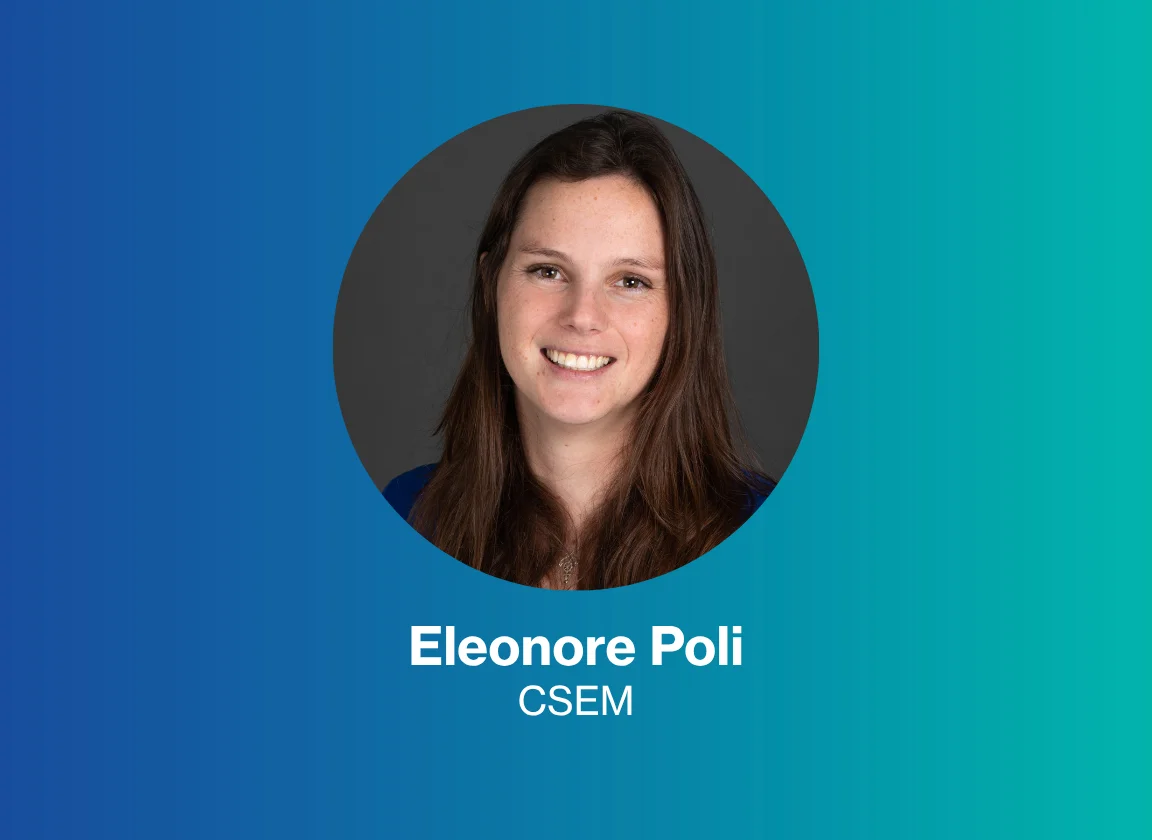
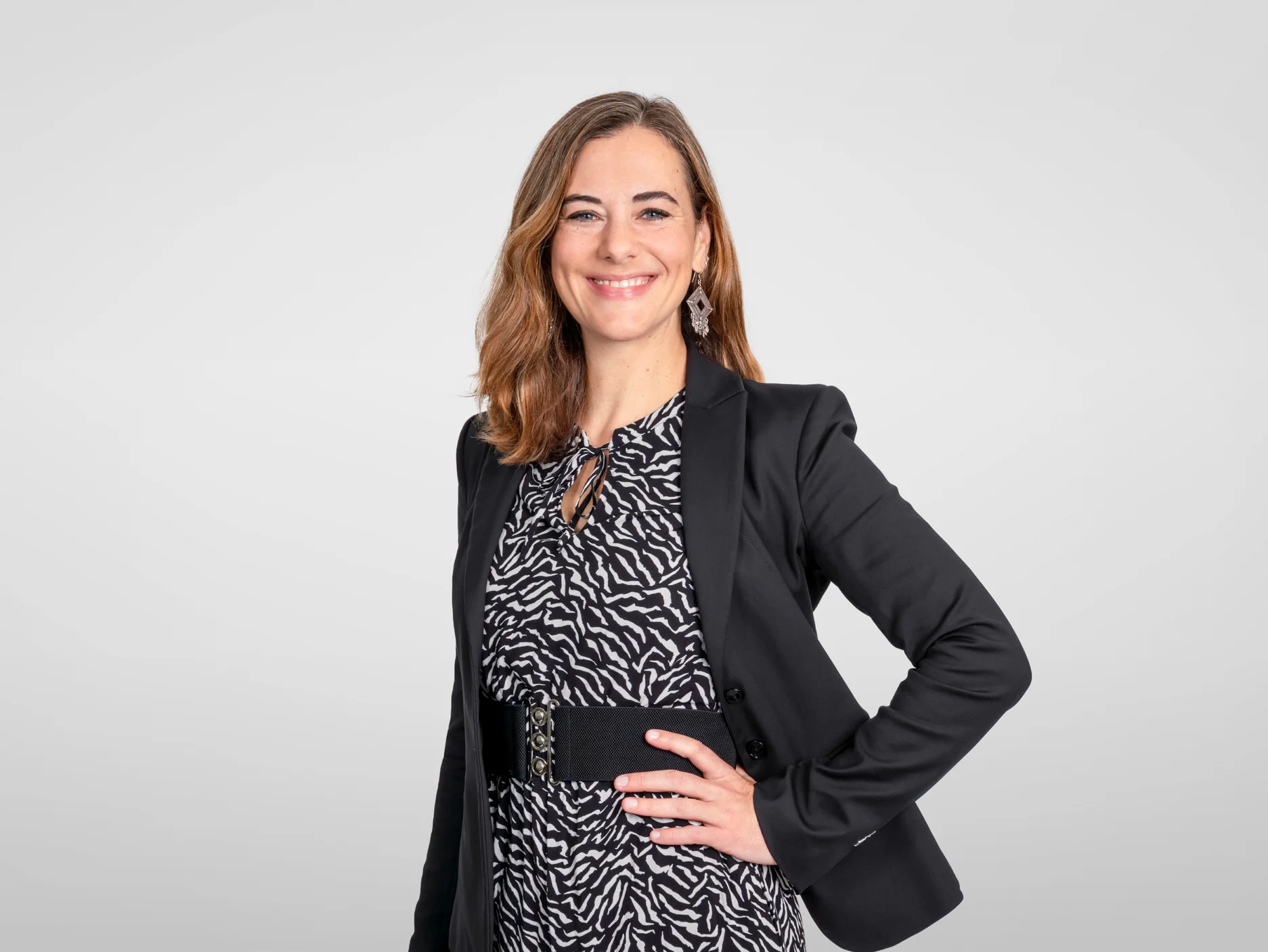
Eleonore Poli is a materials scientist, analogue astronaut and founder of CHASM (Community of Human Analogue Space Missions). She was born in Lausanne in 1995, studied materials engineering at EPFL, followed by mechanical engineering at ZHAW, and obtained her Master’s degree and PhD in materials science at the University of Cambridge. She was commander of the ‘Asclepios I’ lunar mission in Nagra’s underground laboratory in the Grimsel region and took part in the ‘Amadee 24’ mission in Armenia. Alongside her research work, she is an Ironman triathlete, pianist, pilot and dedicated speaker – including at TEDx Zurich and Naples, as well as at the Swiss Economic Forum. As a member of Swiss TecLadies, she inspires the next generation of women in the technology sector. She can be contacted by E-Mail and on LinkedIn.
Swiss TecLadies is a national programme run by the Swiss Academy of Engineering Sciences (SATW) to support young talent. It is committed to a future in which women play a central role in the fields of mathematics, engineering, natural sciences and technology (STEM). The programme comprises camps for girls aged 12 to 15, a mentoring programme for young women aged 14 to 19, and the Swiss TecLadies network, which brings together former participants and women working in STEM professions. As part of the mentoring programme, experienced female professionals from the STEM fields support the young participants as mentors for seven months.
Would you like to find out more about Swiss TecLadies or join the network? The next edition of the mentoring programme will run from September 2026 to April 2027. You can find all the information at: https://www.tecladies.ch/de/
Space exploration is closer than it seems—and Switzerland plays an important role in it. During SATW’s Theme Month “Space: Switzerland as a Space Nation”, you’ll find more stories, developments, and perspectives on research, technology, and space exploration from Switzerland.
| Role | Title + Name |
|---|---|
| Text by | Esther Lombardini |
| Expertise | Eleonore Poli |