Translated by an automated translation plugin.
Imagine if your biological age was four years older than the age stated in your passport - simply because of your weight. Or vice versa: that a change in diet from midlife onwards could statistically give you ten additional healthy years. Figures like these characterised the 2026 SATW Annual Congress on the USI-SUPSI campus in Lugano. Under the motto "Vital Living", researchers, doctors and technology founders discussed a paradigm shift in the field of healthy ageing: away from the question of "How do we get older?" to "How do we stay vital?"
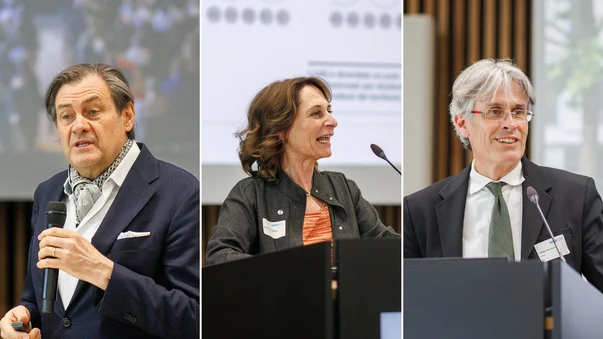
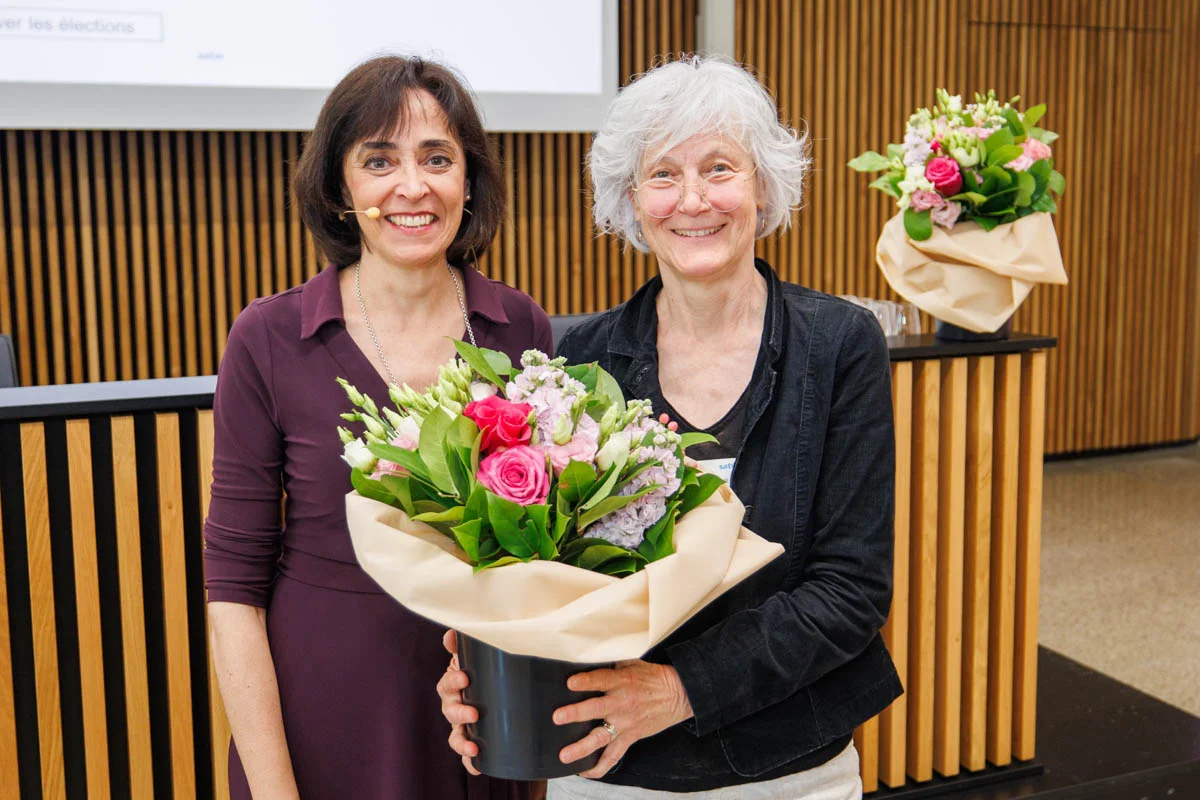
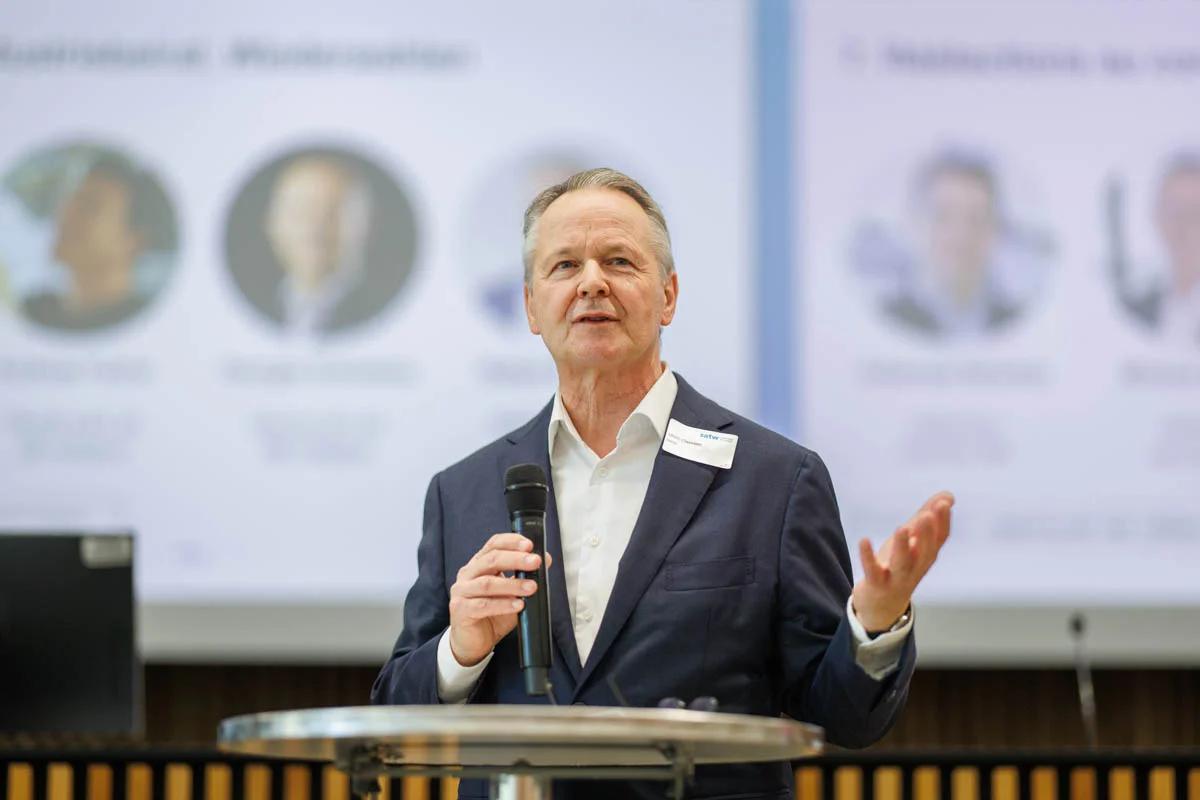
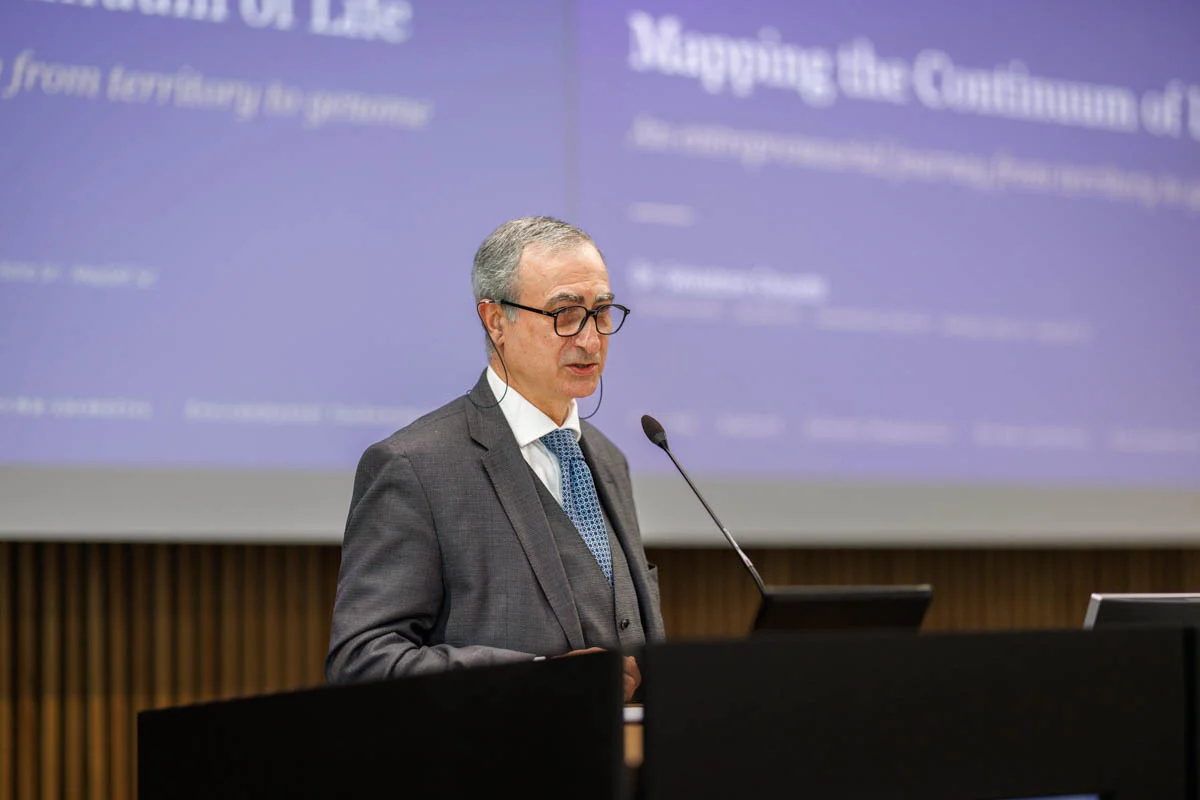
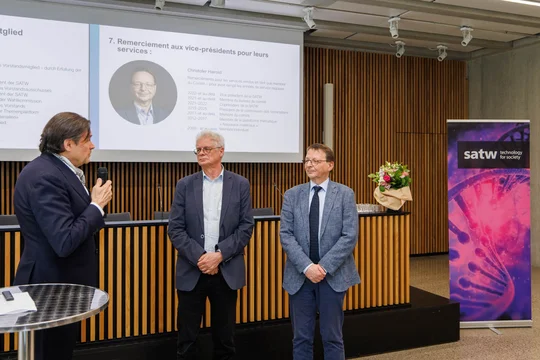
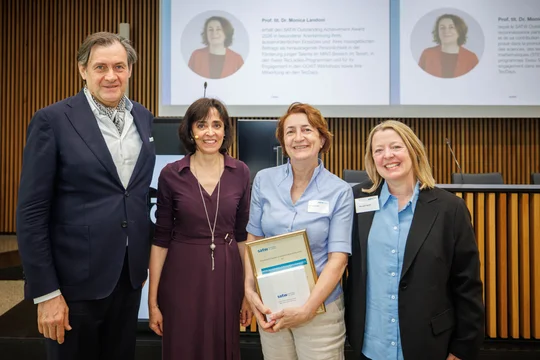
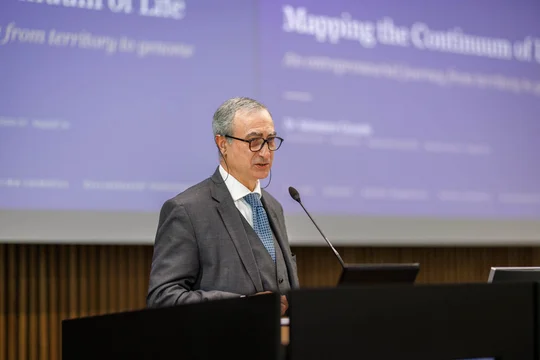
Prof Benoît Dubuis (President SATW), Prof Monica Duca Widmer (Vice President USI) and Prof Franco Gervasoni (Director SUPSI) welcome the participants to the 2026 Annual Congress in Lugano.
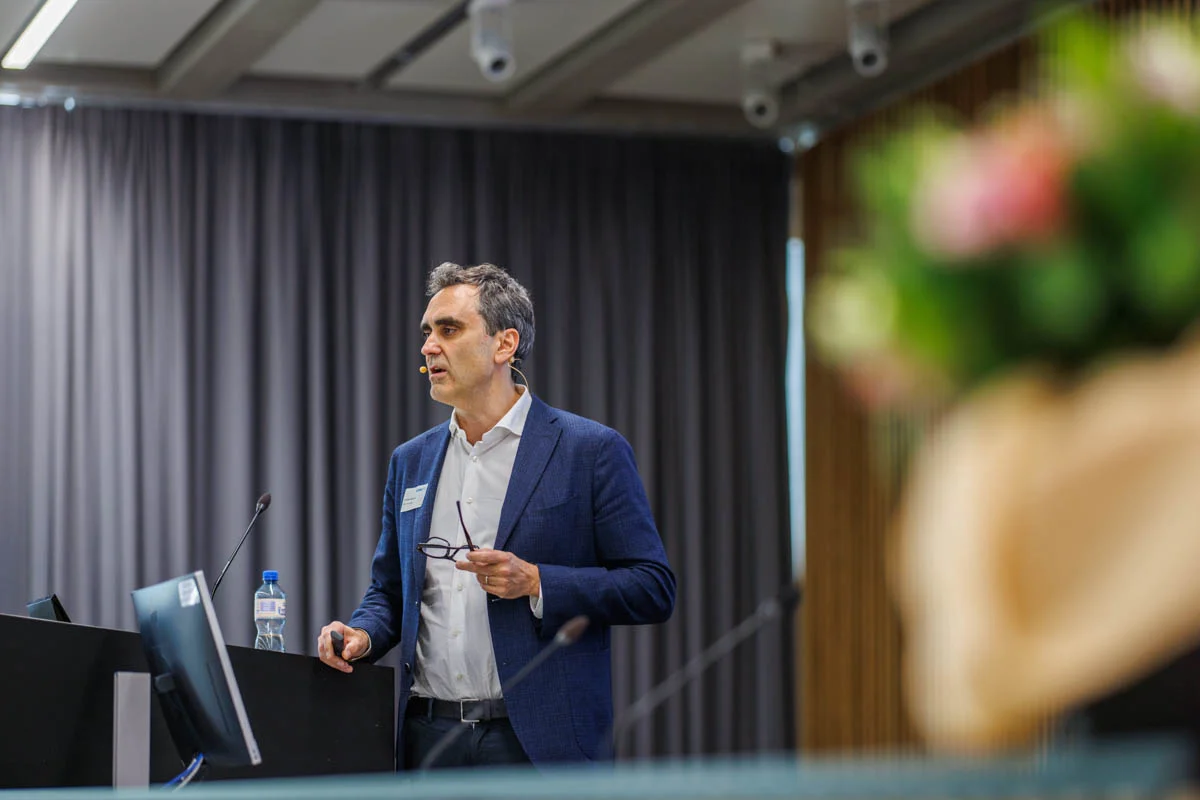
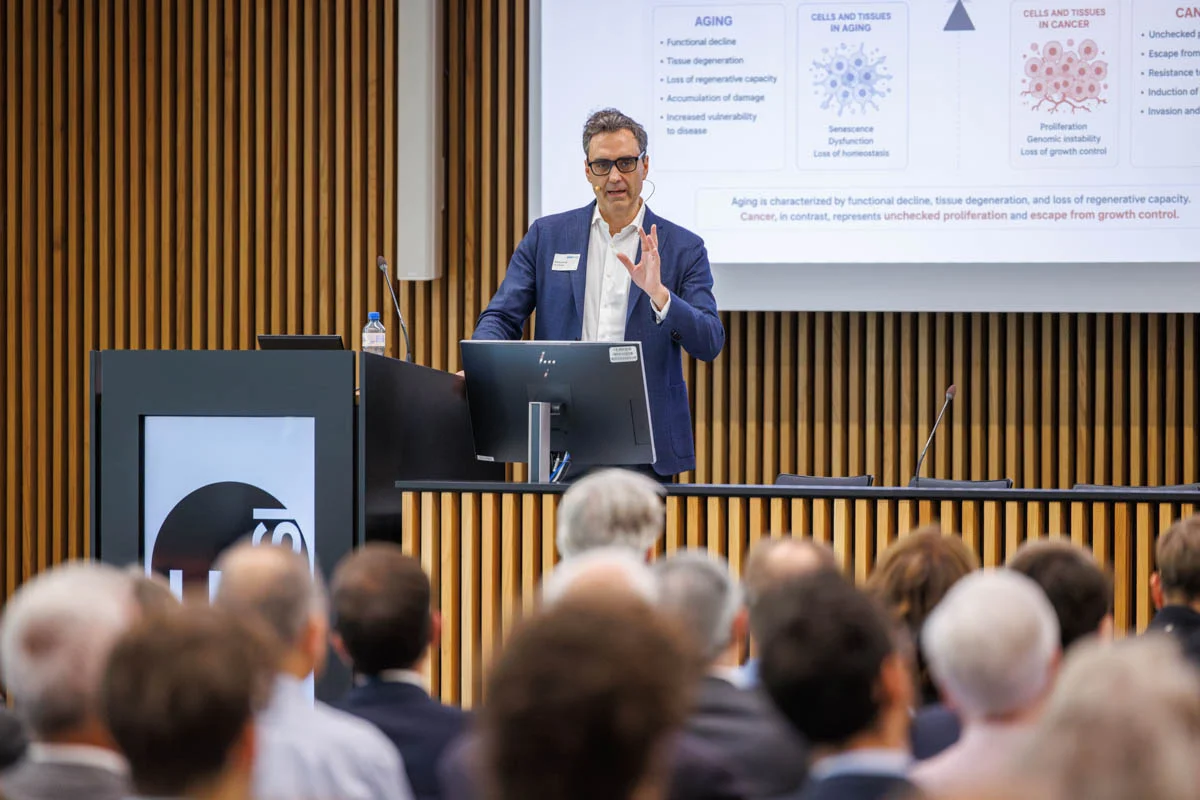
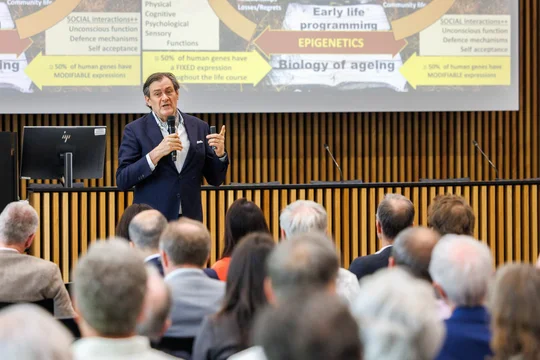
What actually happens in the body when we age? Prof Andrea Alimonti, Director of the Institute of Oncology Research (IOR) at the USI and Professor at ETH Zurich, provided an answer to this question. His keynote speech focussed on a phenomenon that is currently driving aging research: cellular senescence - a state in which cells stop dividing but do not die, but remain in the tissue.
At a young age, this is a protective mechanism: the body shuts down damaged cells before they become a danger - as cancer cells, for example. With increasing age, however, these decommissioned cells accumulate. They send out pro-inflammatory signals, weaken the immune system and favour diseases such as osteoarthritis, vascular calcification or dementia. This process is considered to be one of the main drivers of biological ageing.
The good news is that there are ways of specifically eliminating these cells. So-called senolytics - a new class of active substances - do just that. In animal experiments, both muscle strength and mental abilities improved after treatment. Particularly impressive: Alimonti's team discovered a natural active ingredient called haenkenium in the plant Salvia haenkei, which was able to extend lifespan in animal models. The researchers identified luteolin, a plant substance that slows down the ageing process at a cellular level, as the key substance. Alimonti's message: the aim is not to stop ageing, but to make it healthier - "growing old without aging".
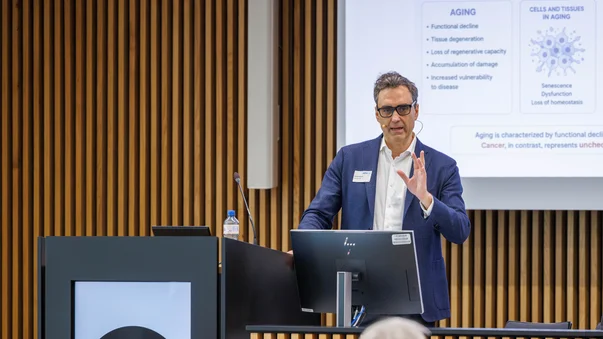
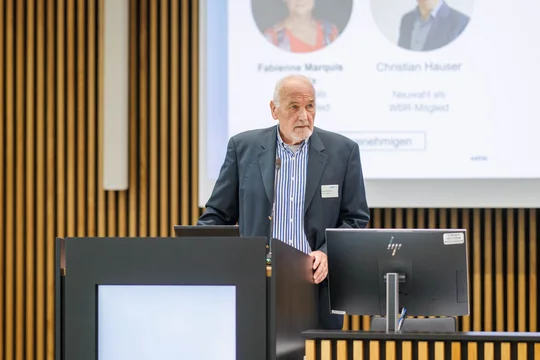
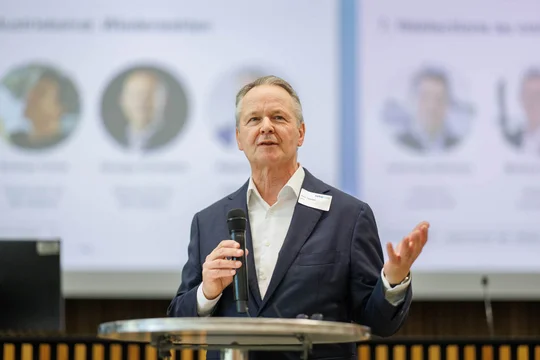
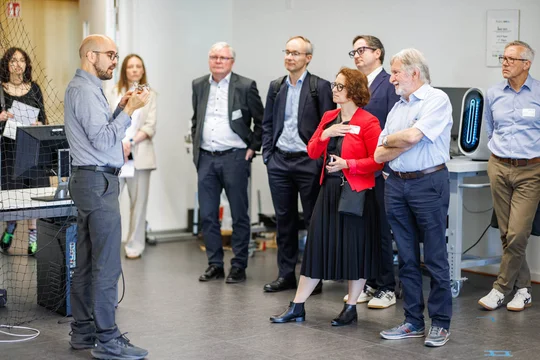
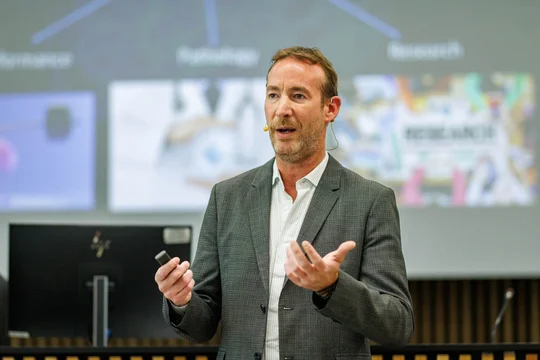
Prof Andrea Alimonti explains how the active ingredient haenkenium from a type of sage eliminates damaged cells in animal experiments.
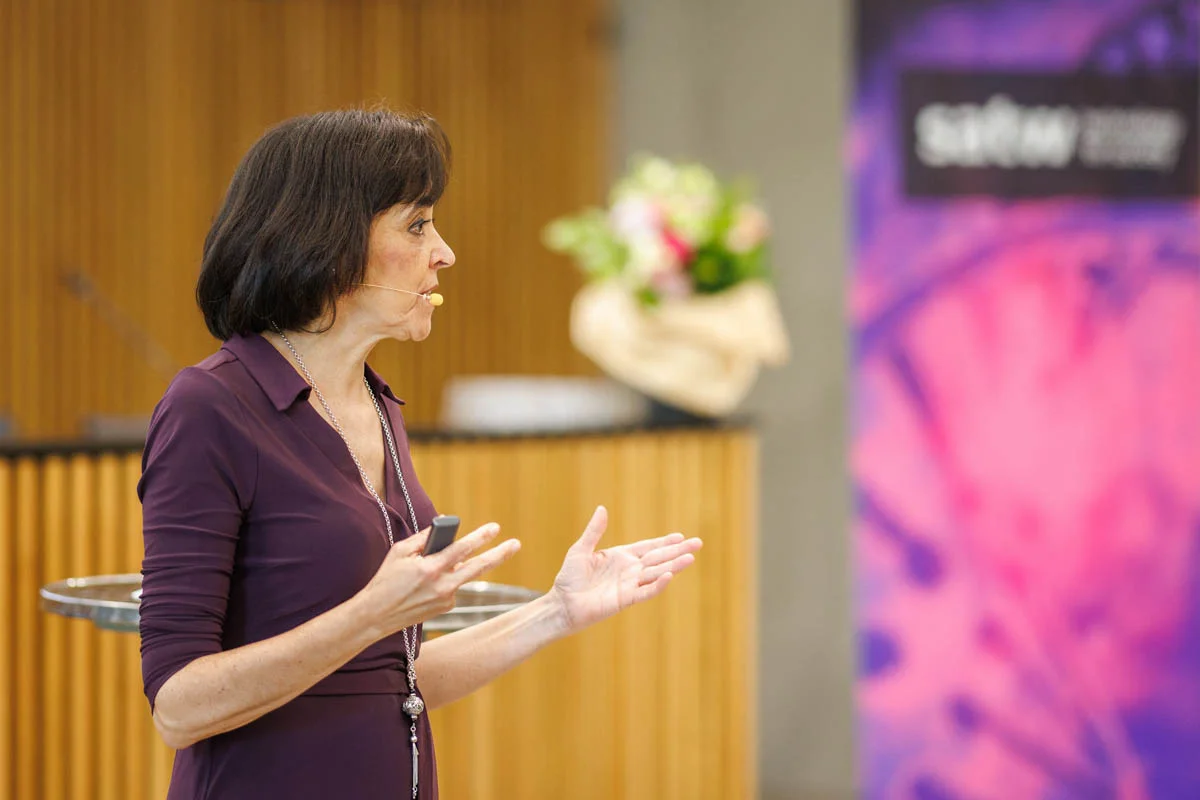
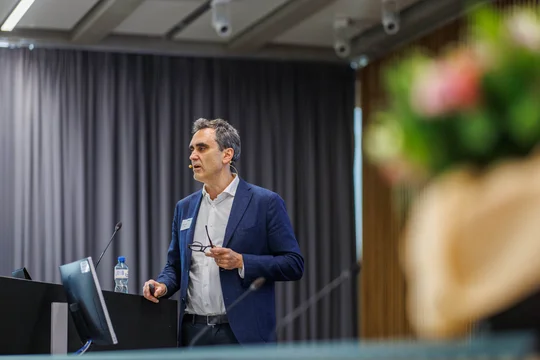
If cellular senescence explains what goes wrong in the body, the question arises: what can we do ourselves before it gets that far? Prof Eline van der Beek had a clear answer to this: eat - but eat right. The head of the Nestlé Institute of Health Sciences in Lausanne and professor at the University of Groningen opened her keynote speech with a sobering figure: there is currently a gap of around nine years between life expectancy and healthy life expectancy. Although people are living longer, they are spending more years in poorer health. Nutrition is one of the most effective levers for positively influencing biological age.
A study shows that switching to a nutrient-rich diet from the age of 40 can increase life expectancy by up to ten years(Fadnes et al., Nature Food 2023). Proven dietary patterns such as the Mediterranean diet are considered to be particularly effective.
Van der Beek also presented results from a 14-year long-term study on dogs - one of the longest nutritional studies on mammals: Animals whose diet was tailored to maintain a lean body mass lived 17 per cent longer and were biologically younger than their normally fed counterparts(Herzig et al., GeroScience 2024). Similar correlations are evident in humans: being overweight causes the body to age biologically up to four years faster, while weight reduction can partially reverse this effect.
Another focus was on blood sugar. Research shows that a decline in blood sugar regulation is an underestimated driver of the ageing process - even in people without diabetes. Nestlé researchers developed nutritional solutions that stabilise blood sugar overnight, thereby also improving sleep quality and mood the next day(Soon et al., European Journal of Nutrition 2026).
Finally, van der Beek addressed the role of NAD+, a molecule that is central to the energy supply and repair of our cells. NAD+ levels decrease with age. Certain precursors - so-called NAD+ precursors such as NR and NMN - can raise it again, as a recent comparative study on healthy adults showed(Christen et al., Nature Metabolism 2026). Van der Beek also presented results on muscle regeneration: A combination of nicotinamide and vitamin B6 activated muscle stem cells and increased muscle repair by 37 per cent(Højfeldt et al., Advanced Science 2026).
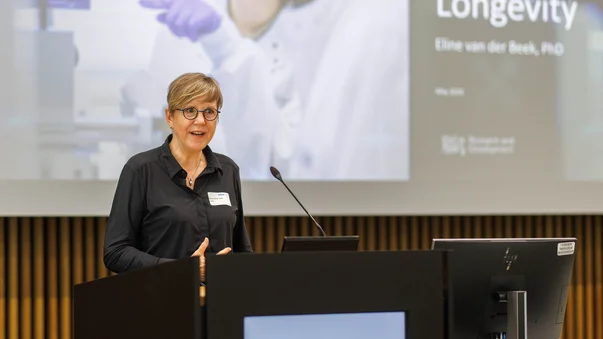
Prof Eline van der Beek shows why nutrition is one of the most effective levers against the nine-year gap between life expectancy and healthy life expectancy.
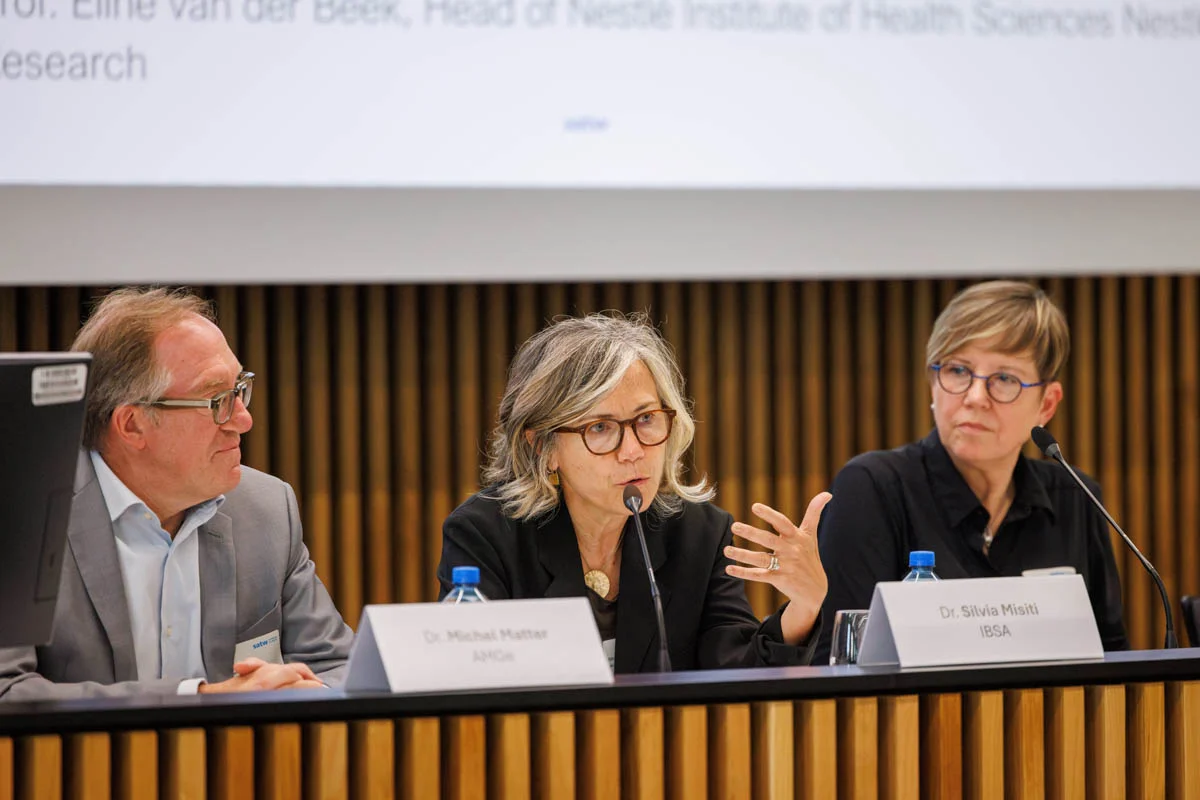
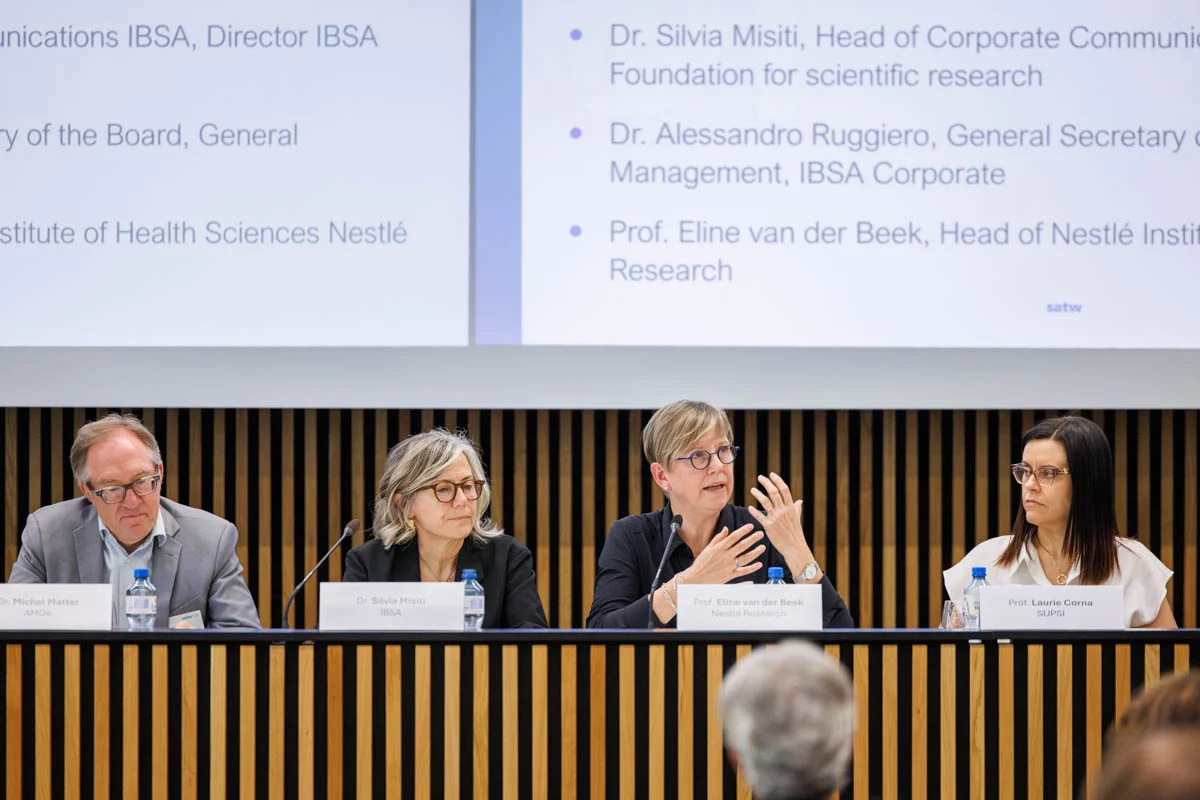
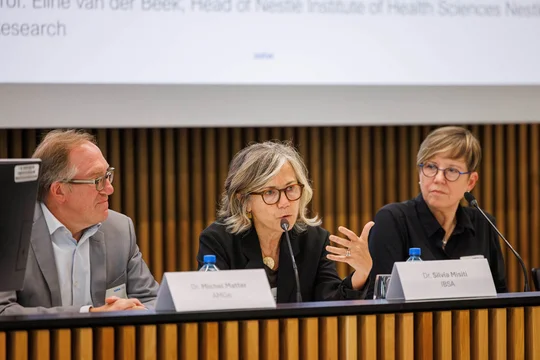
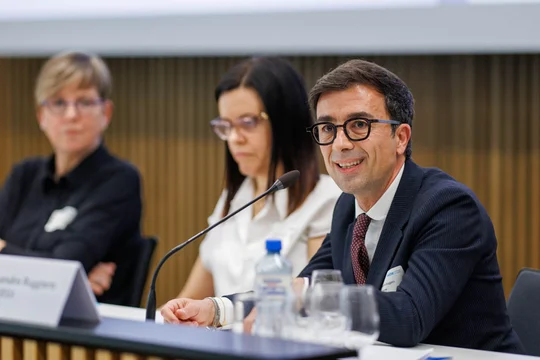
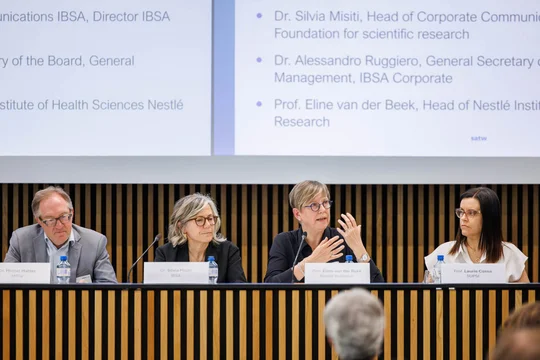
After the scientific input, five experts turned their attention to an uncomfortable question: if we know how healthy ageing works, why doesn't everyone benefit equally from it? Under the leadership of SATW President Prof. Benoît Dubuis, Prof. Laurie Corna(SUPSI), Dr Michel Matter(Geneva Medical Association AMGe), Dr Silvia Misiti(IBSA Foundation), Dr Alessandro Ruggiero(IBSA) and Prof. Eline van der Beek (Nestlé Institute of Health Sciences) discussed the issue.
Prof Laurie Corna, sociologist at SUPSI, introduced the social dimension right at the beginning: The gap between life expectancy and healthy life expectancy is not the same for everyone. People with less education and lower incomes spend significantly more years in poor health - and this inequality is growing. Corna advocated a comprehensive approach in line with the WHO definition of "Healthy Ageing", which not only strengthens the physical abilities of the individual, but also considers the environment: the design of neighbourhoods, communities and cities that enable a healthy life for all age groups. Technology can help to reduce these differences - if it is used in a targeted way to reduce social inequalities instead of reinforcing them.
Dr Michel Matter, President of AMGe and founder of "All is Brain", focused on autonomy. The real challenge is not to allow people to grow older, but to allow them to live independently at home for as long as possible - with a good quality of life. This does not require gadgets, but real innovation: technology that everyone can afford. Matter also emphasised the importance of the sensory organs for healthy ageing: good vision, good hearing and an intact balance function significantly reduce the risk of dementia and falls - a cost factor of CHF 20 billion per year in Switzerland. His wish for the future: a better understanding of the microbiome - the "second brain" - which he is convinced will become central to ageing research in the coming years.
Dr Silvia Misiti, Director of the IBSA Foundation for Scientific Research, brought a surprising approach to the discussion: cultural activities as therapy. The foundation is working on establishing the concept of "social prescribing" in Switzerland - a model that is already widespread in the UK and Scandinavia. The idea: instead of treating loneliness and mild depression exclusively with medication, GPs prescribe joint cultural activities - music, theatre, exercise. A so-called "link worker" determines which activity suits the person in question and refers them to existing local programmes. Misiti referred to scientific evidence that relationships and social integration are among the strongest factors influencing health in old age - and that loneliness is as harmful as smoking.
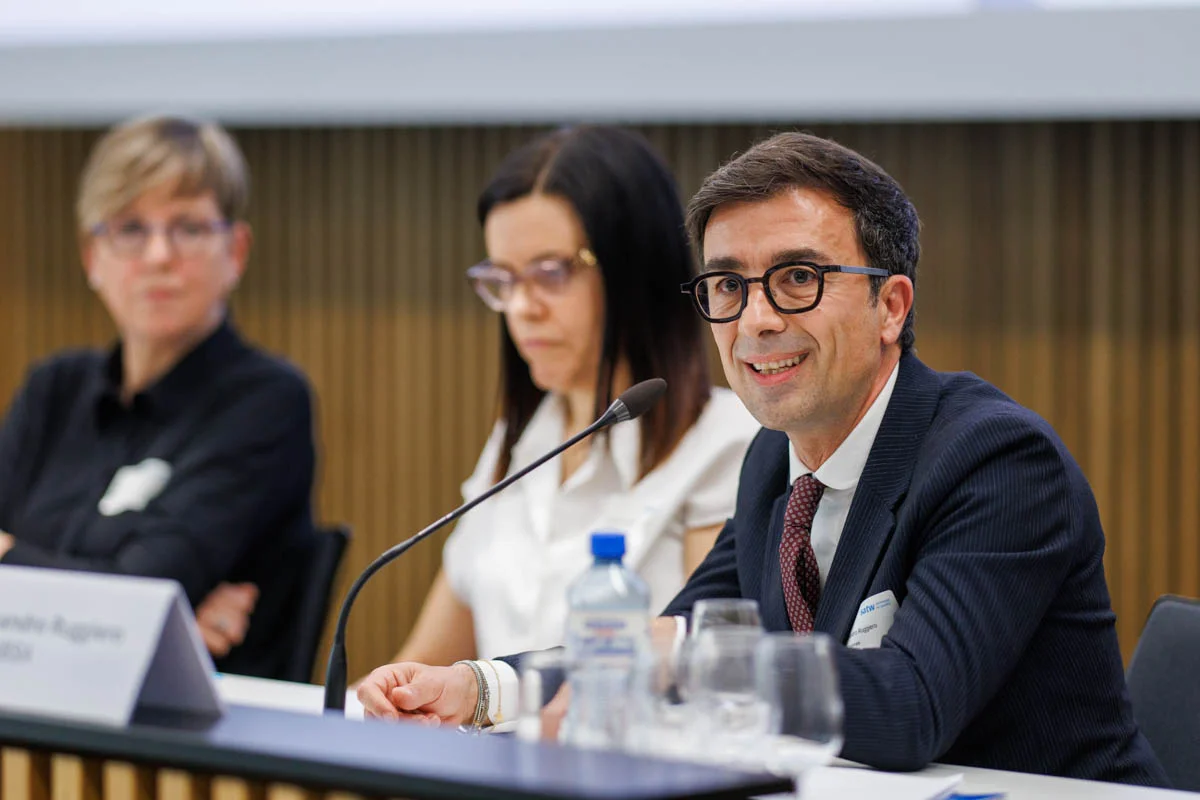
Dr Alessandro Ruggiero, Secretary General and member of the Board of Directors of IBSA, explained why the company does not view ageing as a single therapeutic area, but as a cross-cutting issue that connects all ten business areas - from reproductive medicine to pain therapy and dermatology. The key lies in combining new technologies with specific clinical needs, such as hyaluronic acid-based products for tissue regeneration.
Prof. Eline van der Beek added from a nutritional perspective: technology alone is not enough - it is crucial that people understand the connection between their behaviour and their health. She spoke in favour of "digital companions": Tools that make visible how diet, exercise and sleep influence the body and thus encourage healthier behaviour. The principle behind this - known as nudging - is scientifically well documented.
The discussion made it clear that healthy ageing is not just a question of biology and technology, but also of social justice, community and accessibility. Or as Corna put it in a nutshell: technology must level the playing field - not create new divides.
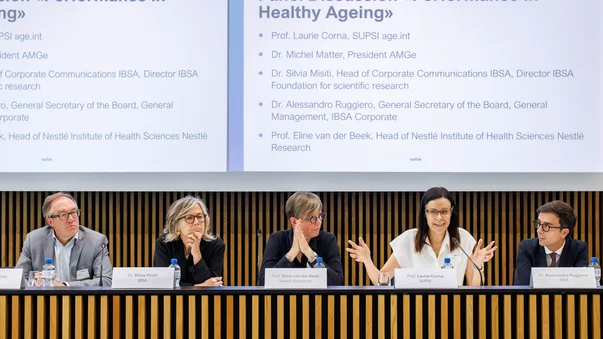
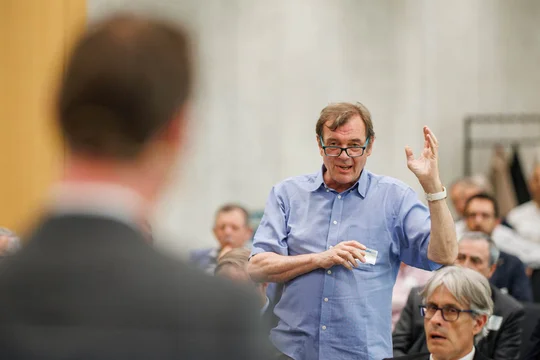
Panel discussion "Who will ensure that healthy ageing reaches everyone?" - From left to right: Dr Michel Matter (AMGe), Dr Silvia Misiti (IBSA Foundation), Prof Eline van der Beek (Nestlé Research), Prof Laurie Corna (SUPSI) and Dr Alessandro Ruggiero (IBSA).
Basic research and nutritional science provide the knowledge - but who brings it into everyday life? The pitch session at the SATW Annual Congress featured three Swiss companies that are trying to do just that.
Romain Bordas, founder of Neurovision, presented his neuro-visual training approach. In his laboratory in Geneva, he combines the measurement of eye movements with targeted exercises that challenge and train the brain. The aim is to improve concentration, reaction speed and mental resilience - in athletes as well as children with learning difficulties and older people. Bordas emphasised that brain performance can be trained and is a key building block for vitality in old age. In addition to training, he is currently building a European network for the treatment and research of concussions in sport, which combines neuroscience, rehabilitation and new technologies.
Dr Salvatore Cincotti drew an entrepreneurial arc that ranges from the pharmaceutical group IBSA in Lugano to the biotech company Altergon in Italy and the GeneGIS genomics platform in Geneva. The central idea: ageing is the interaction of genetic material and environmental influences over time - and industrial innovation must address both levels.
Specifically, Cincotti showed how Altergon uses fermentation to produce hyaluronic acid and chondroitin - two endogenous substances that keep joints, skin and connective tissue supple and which decline with age. The GenVio platform in turn analyses genetic data for precision medicine, for example in cancer diagnostics. And with Laboratoires Sintyl in Geneva, the circle is complete: genetic tests analyse individual variants in the genome that influence how quickly the skin ages - and enable care products to be tailored to this. Cincotti's vision: an integrated industry platform that brings together genetic material, the environment and skincare.
Esmeralda Megally, CEO and co-founder of Xsensio, presented the "lab-on-skin" technology: a miniaturised sensor chip that uses tiny needles to tap body fluid directly under the skin and continuously evaluates the biomarkers it contains - i.e. measurable indications of health status - in real time. Unlike conventional wearables that measure heart rate or oxygen saturation, Xsensio provides biochemical data such as lactate levels (an indication of oxygen deficiency in the tissue), pH levels and signs of inflammation.
The first product is aimed at intensive care medicine: seamless lactate monitoring for the early detection of circulatory failure. Today, this requires regular blood samples - time-consuming and labour-intensive. Megally referred to a clinical study with 140 intensive care patients at the Mayo Clinic, which should confirm the potential of the technology. In the long term, she sees applications far beyond the clinic - in preventative care and everyday health monitoring.
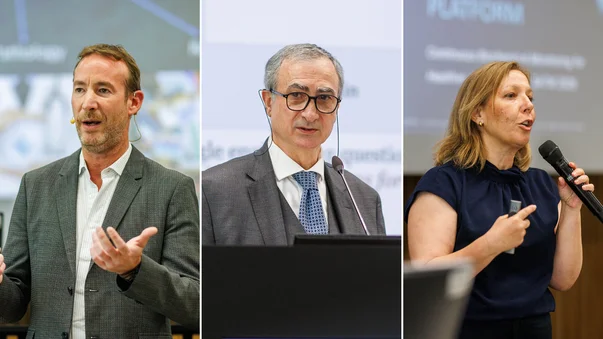
Three bets on the future: Romain Bordas (Neurovision), Dr Salvatore Cincotti (IBSA/Altergon/GeneGIS) and Esmeralda Megally (Xsensio) in the pitch session.
What will remain of the SATW Annual Congress 2026 in Lugano? Above all, one realisation: the question is no longer whether we can influence the ageing process, but how quickly the findings reach people. From basic research into cellular senescence and nutritional science to biosensors and genomics - Switzerland has a lot to offer when it comes to healthy ageing. However, the congress also showed that no single discipline can solve this problem alone. Only the interplay of cell biology, neuroscience, pharmaceuticals, sensor technology and social innovation can create a healthcare system that not only reacts to illness, but also specifically promotes vitality. Or as Alimonti put it: "growing old without aging".
| Romain Bordas | Neurovisual Approach of the Brain Performance |
|---|---|
| Prof. Eline van der Beek | Nutrition for Longevity |
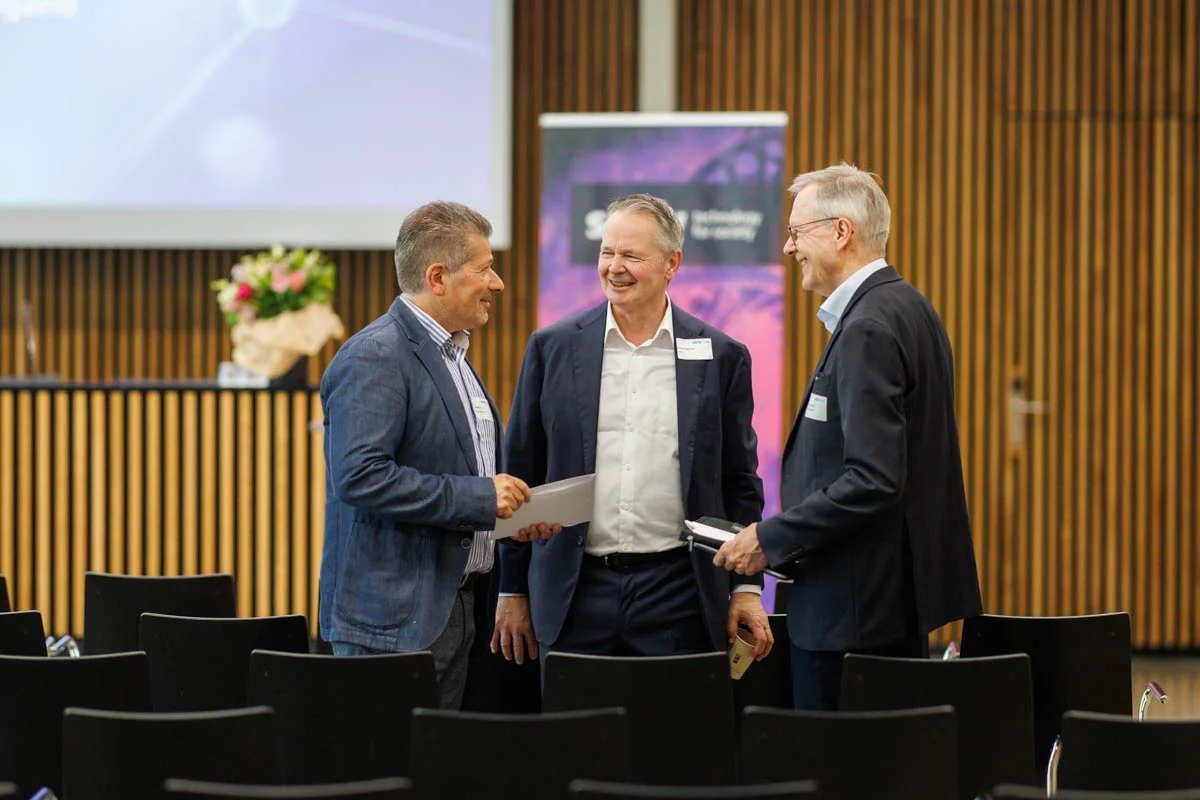
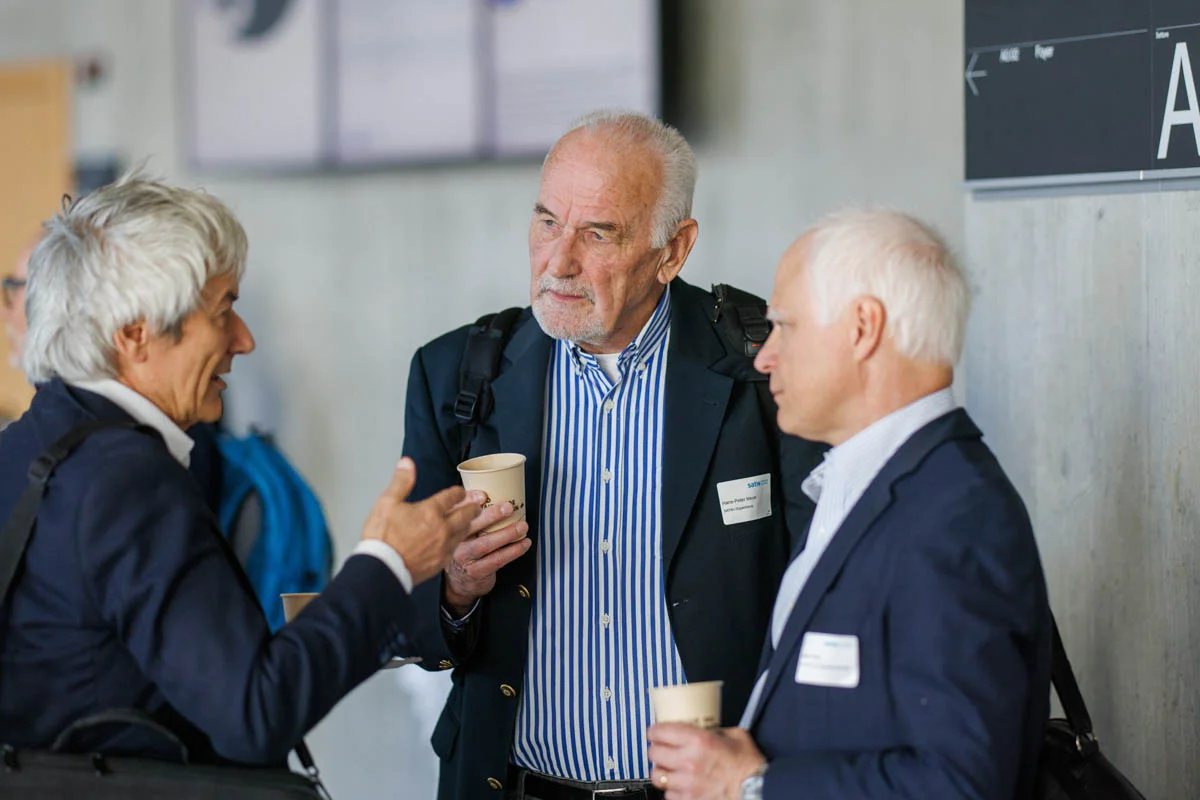
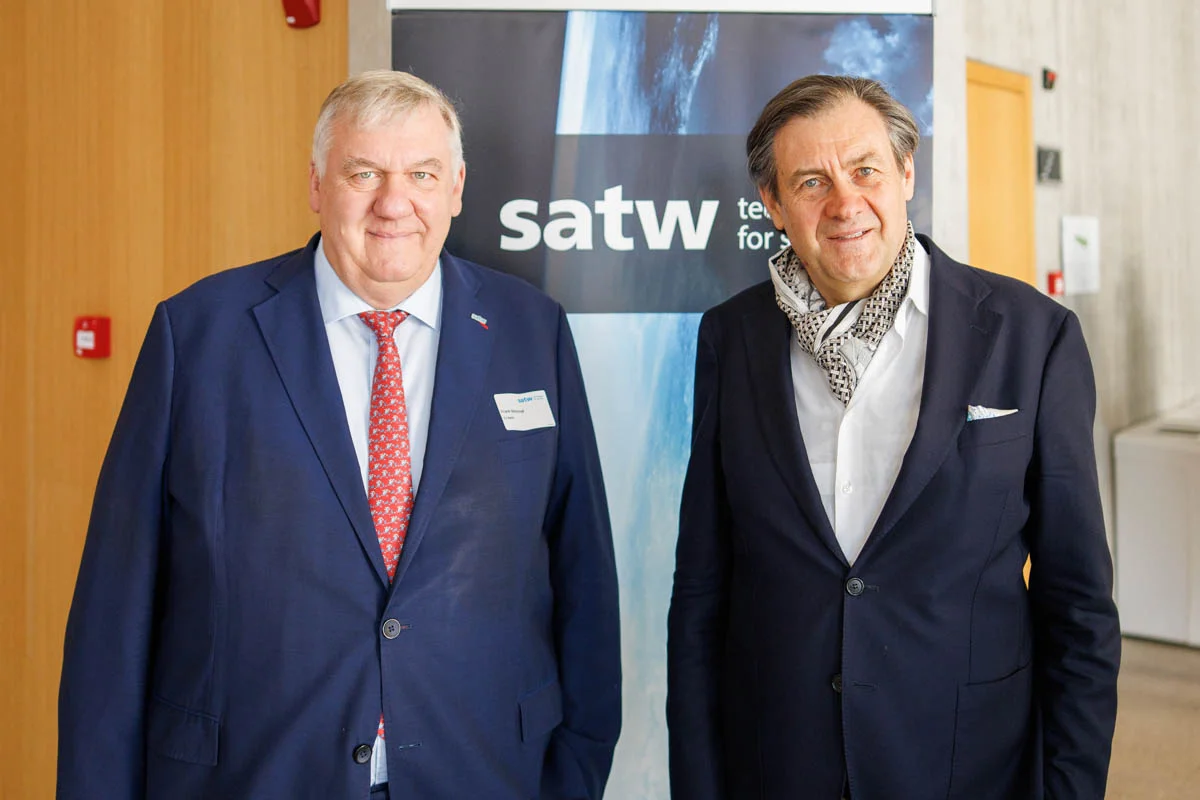
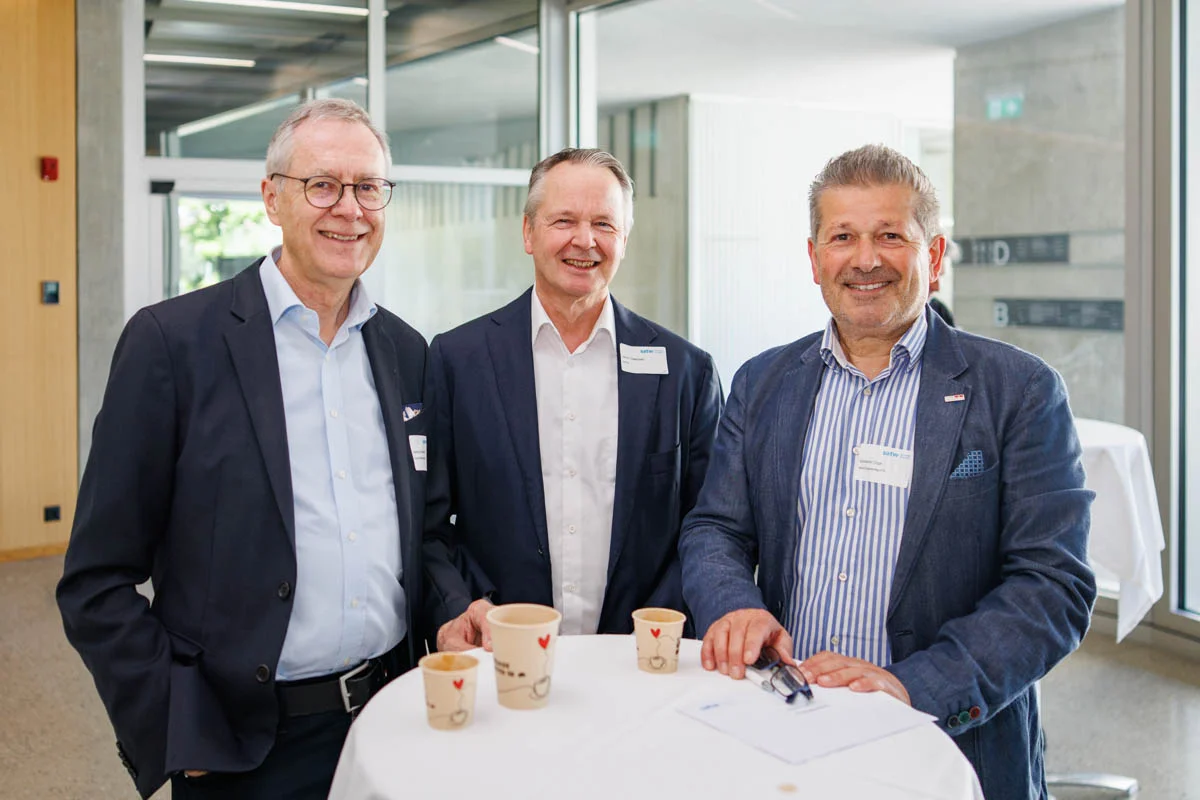
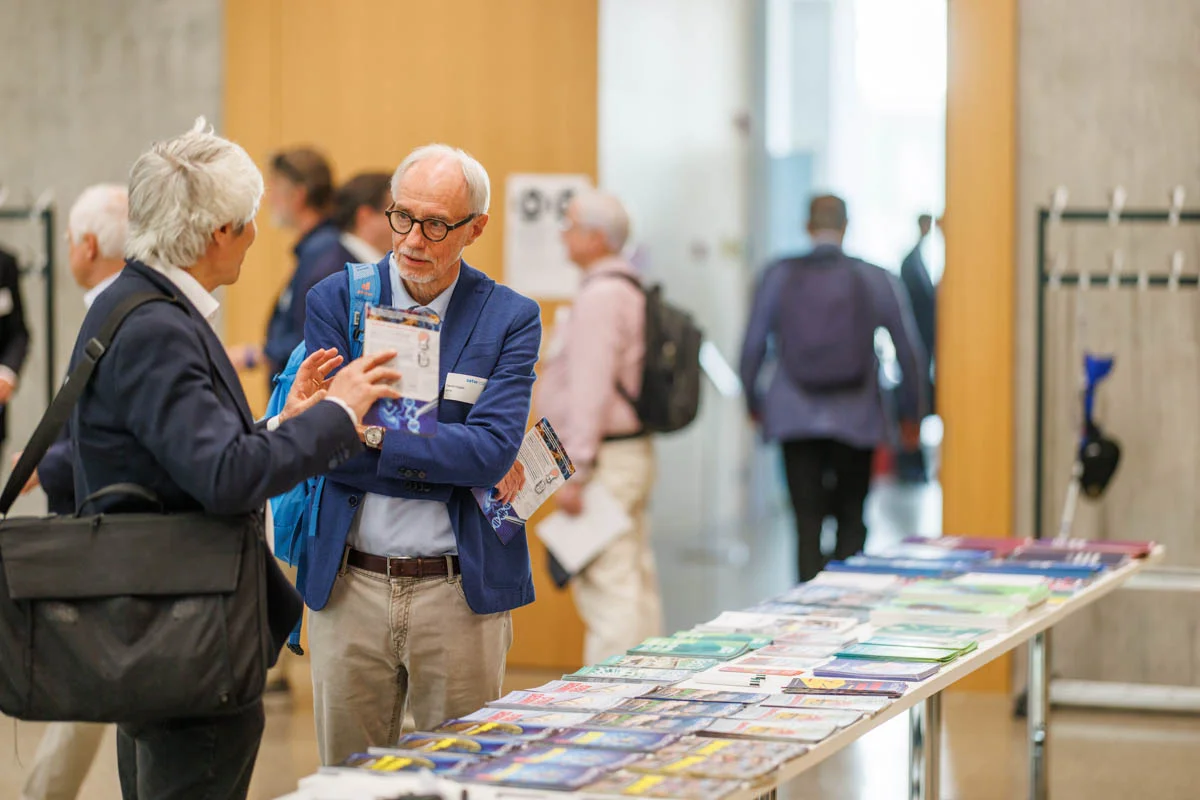
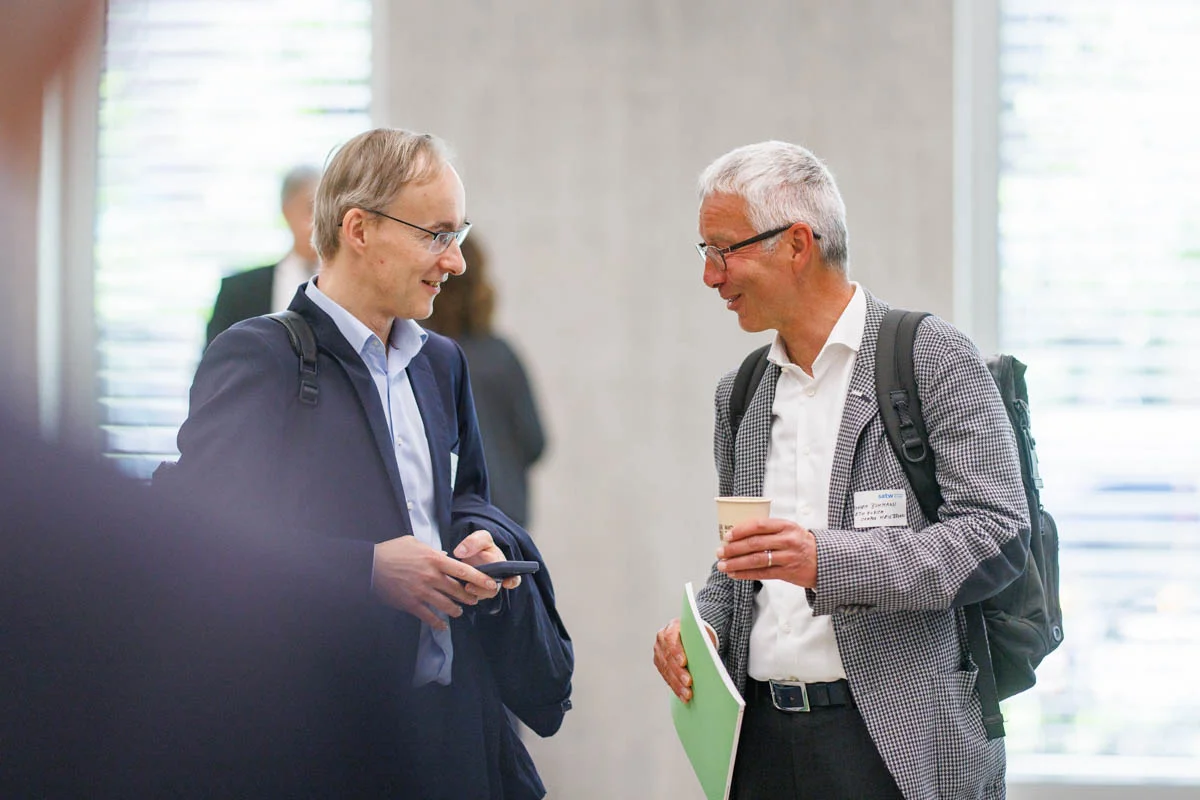
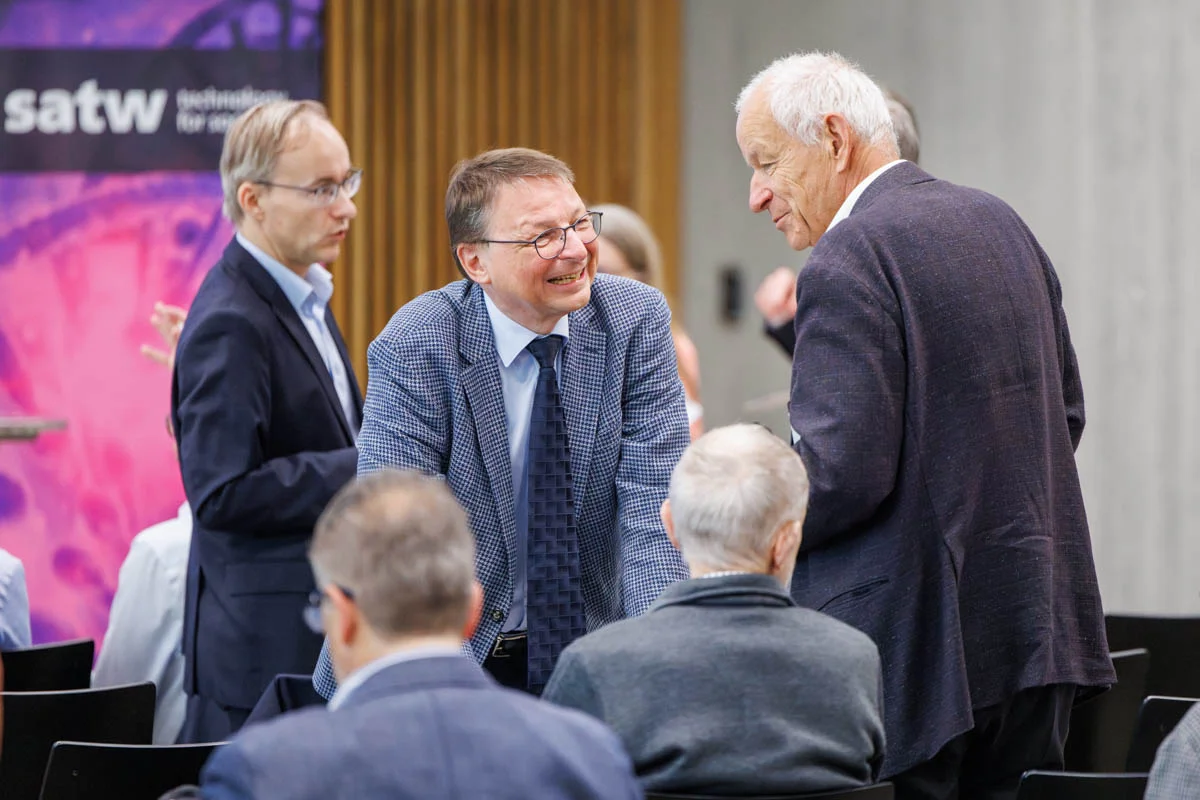
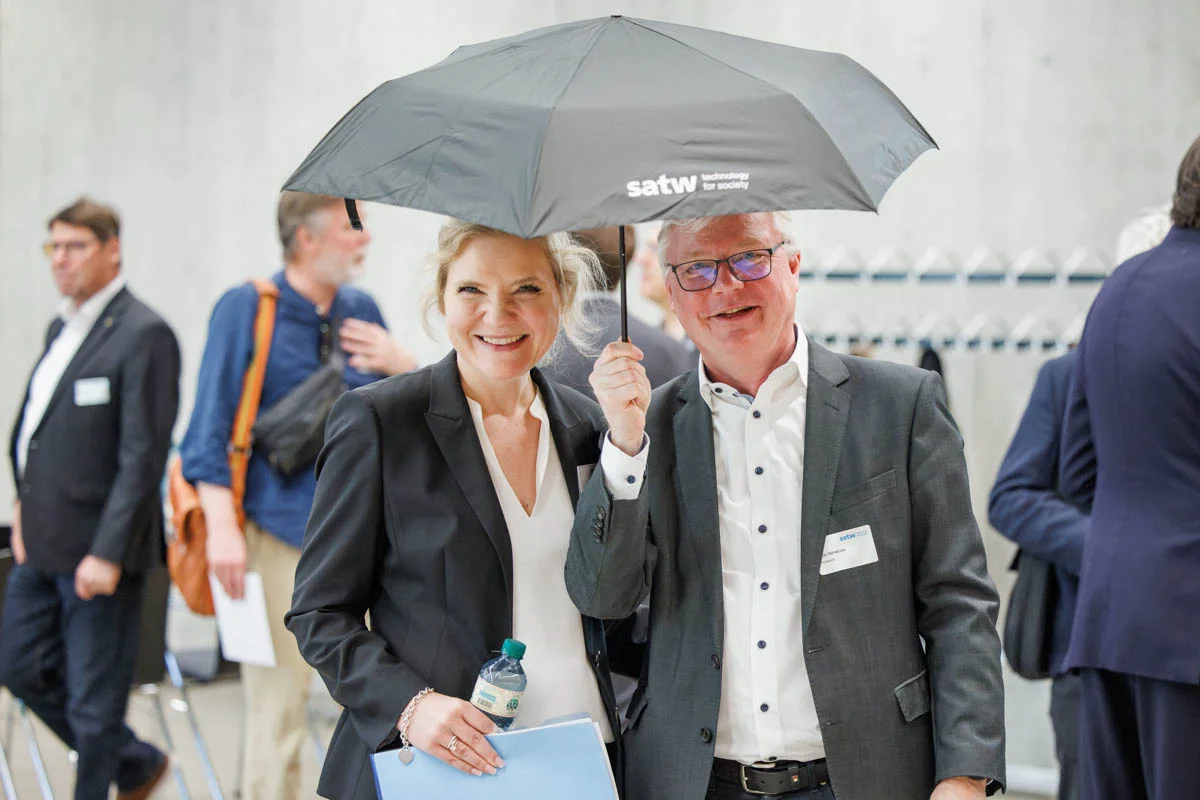
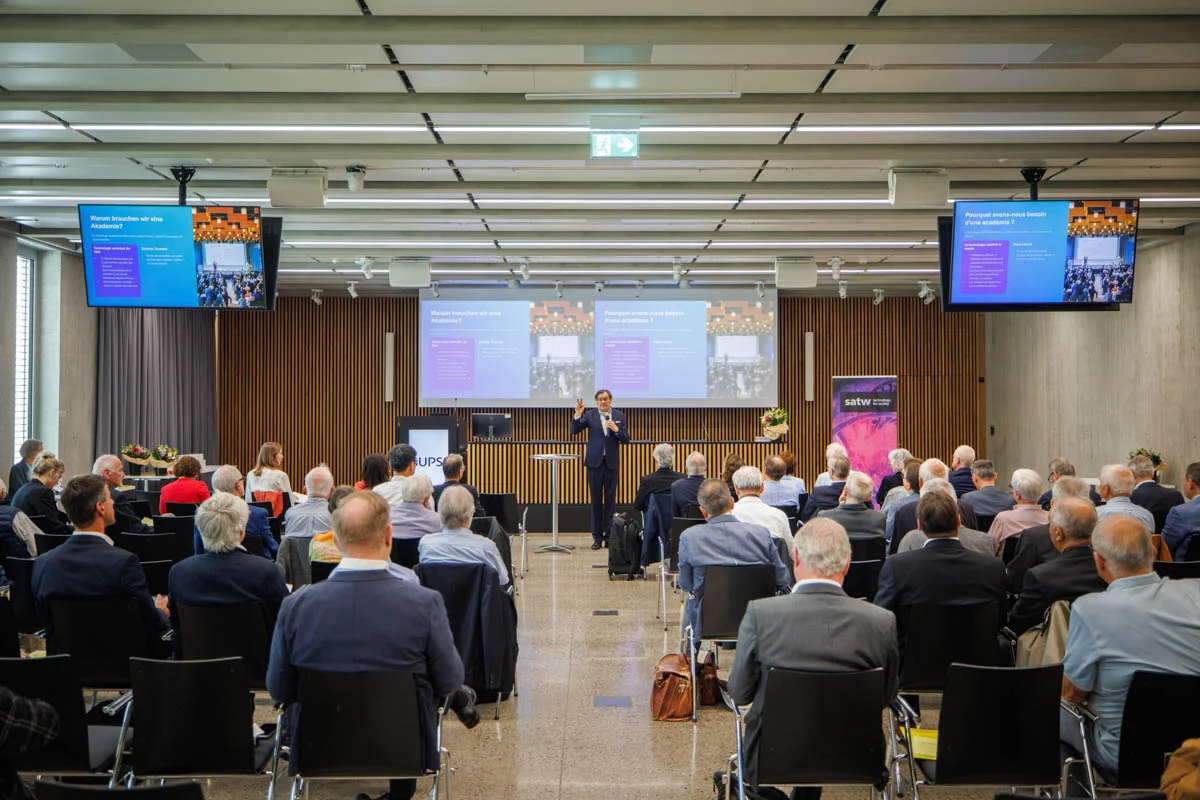
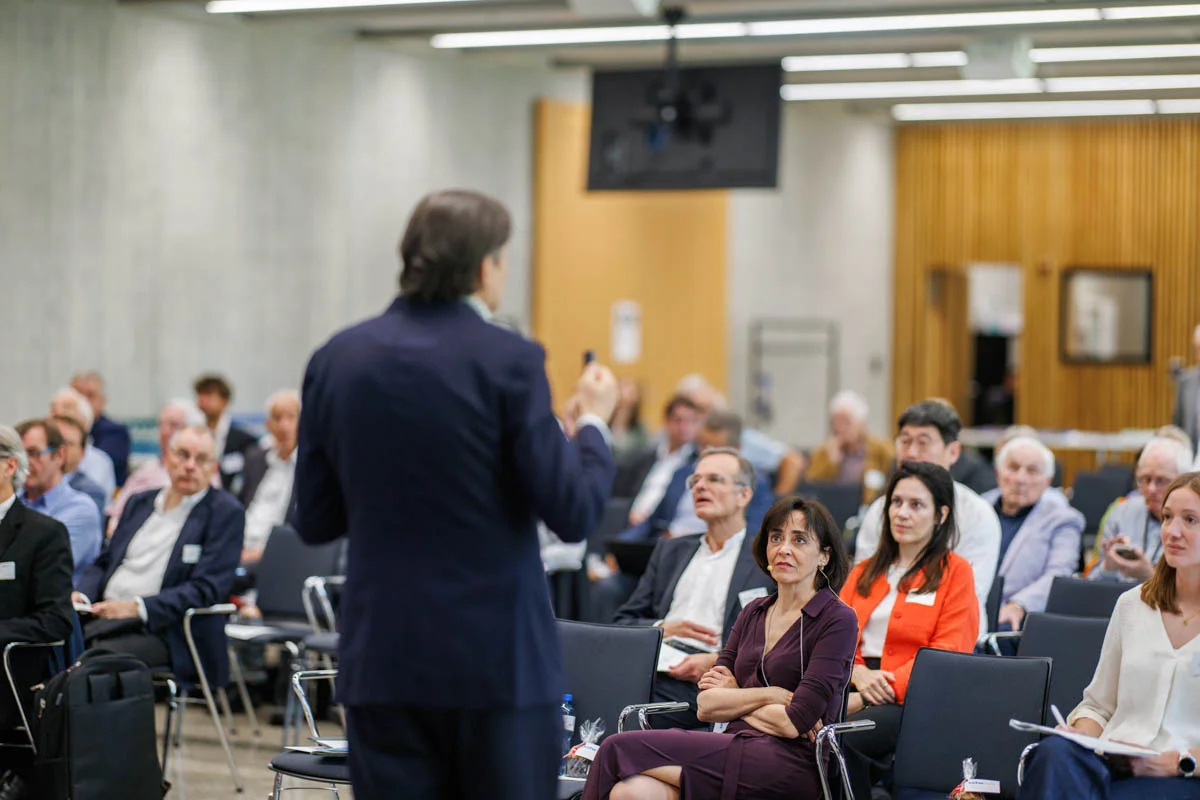
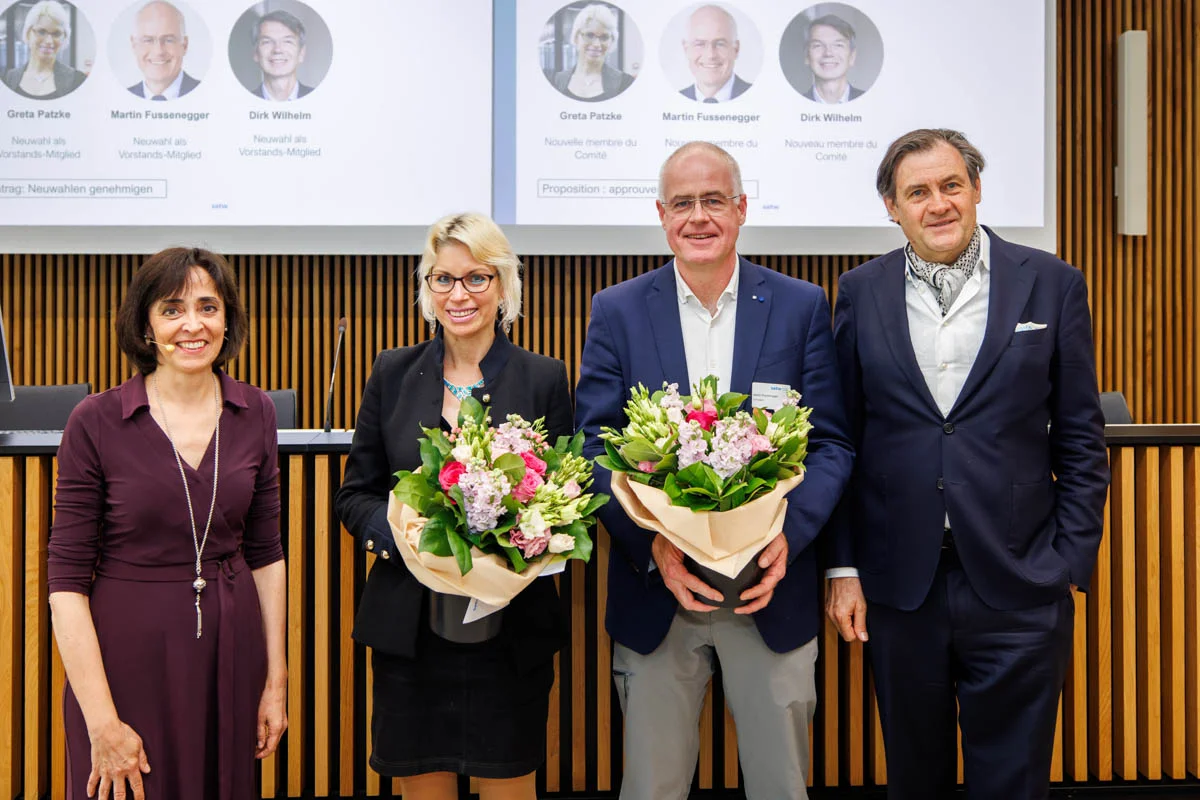
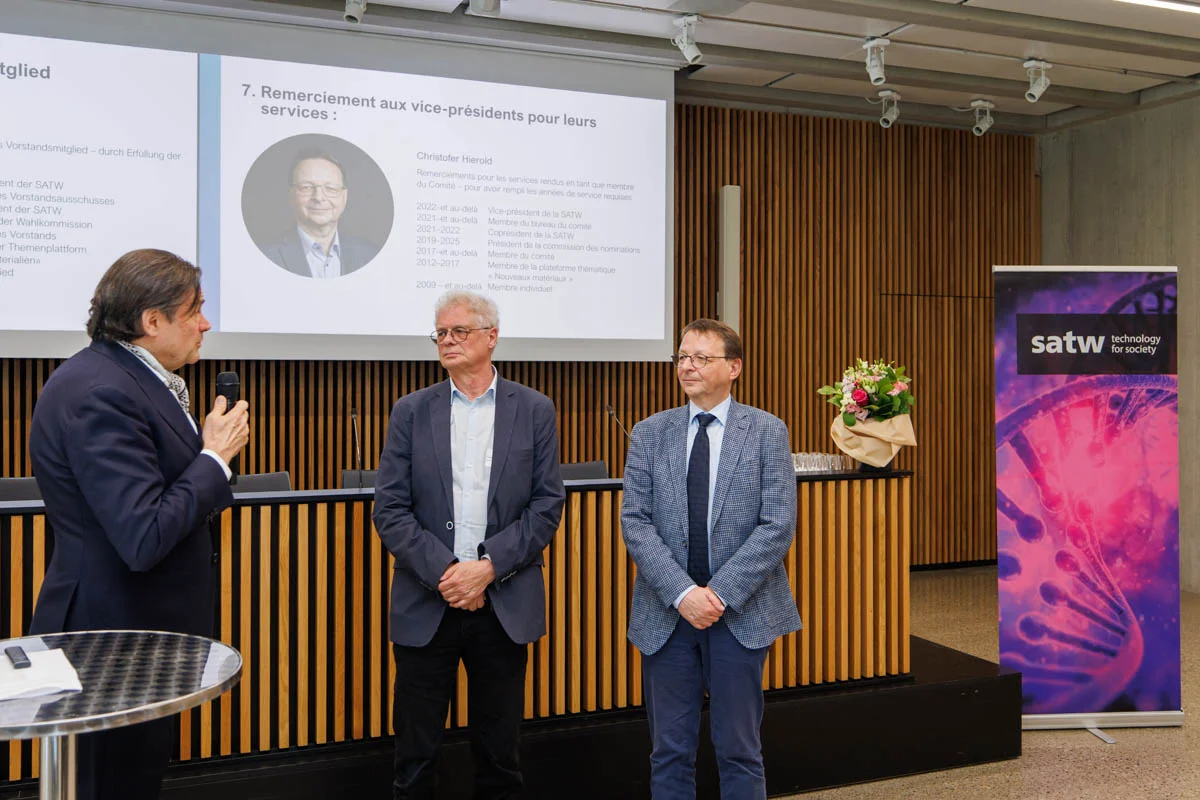
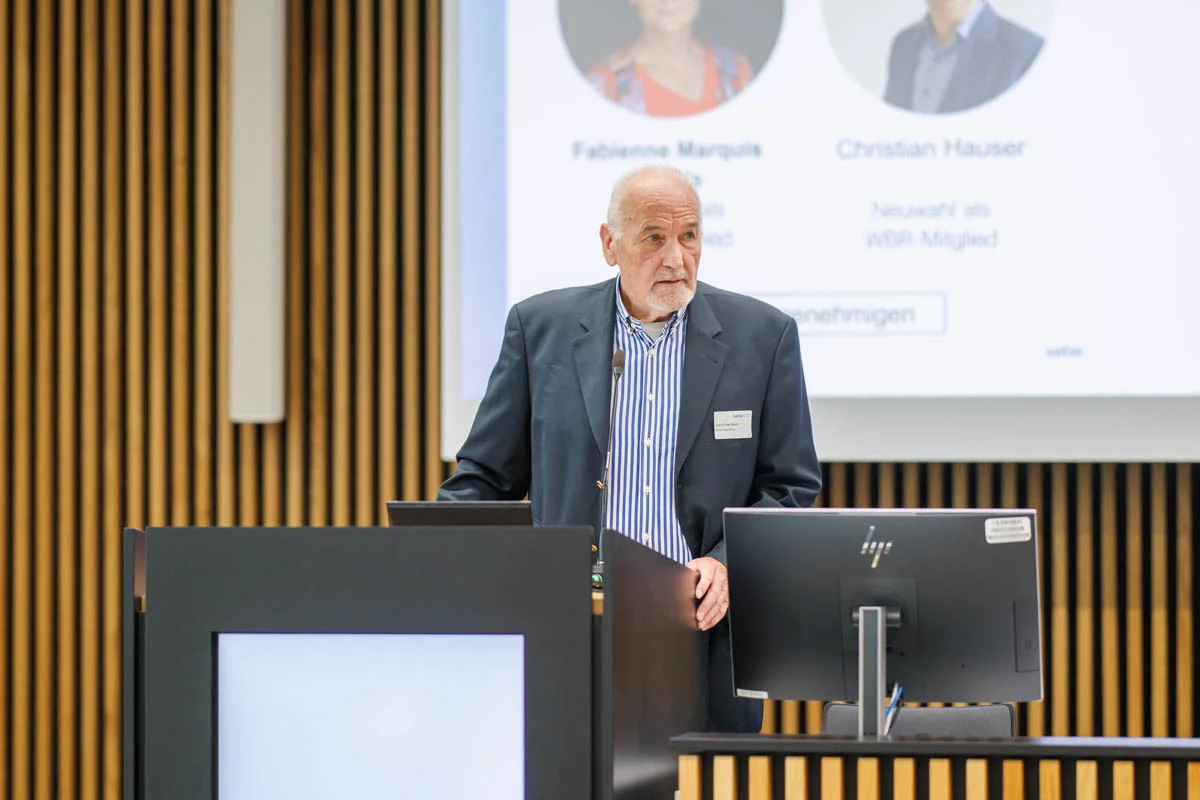
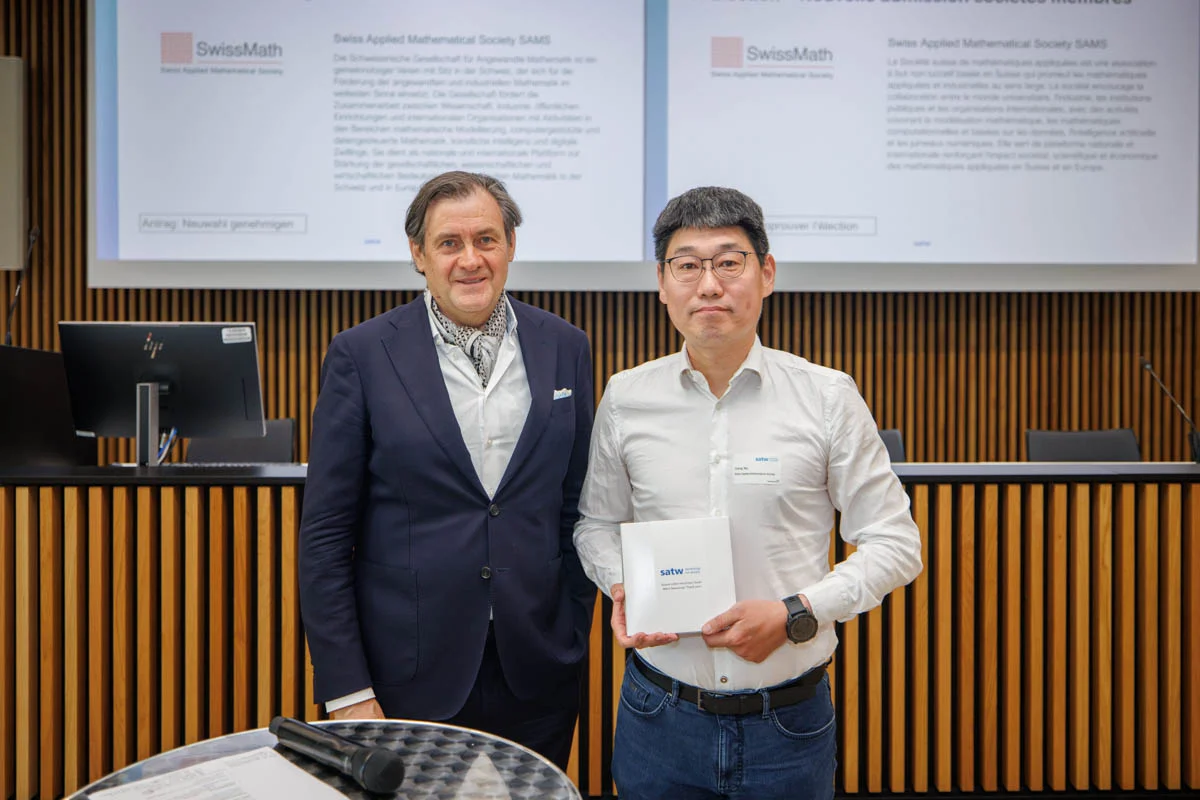
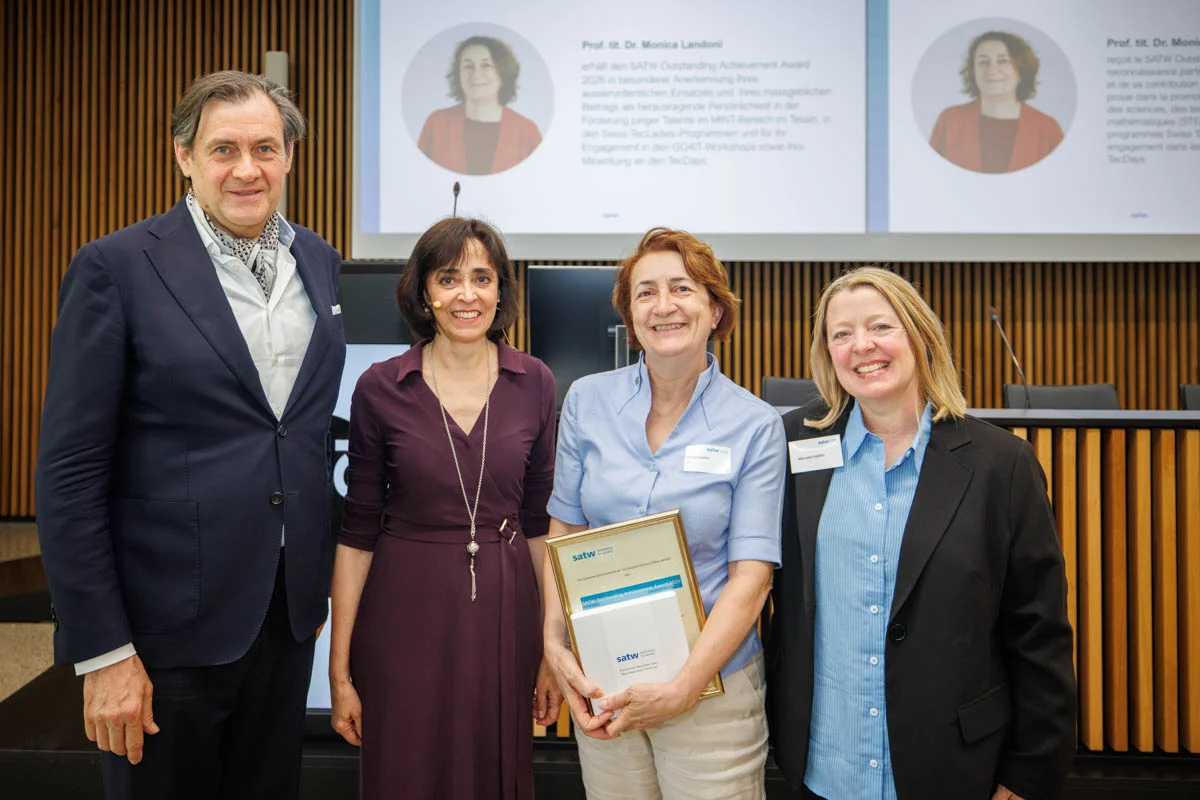
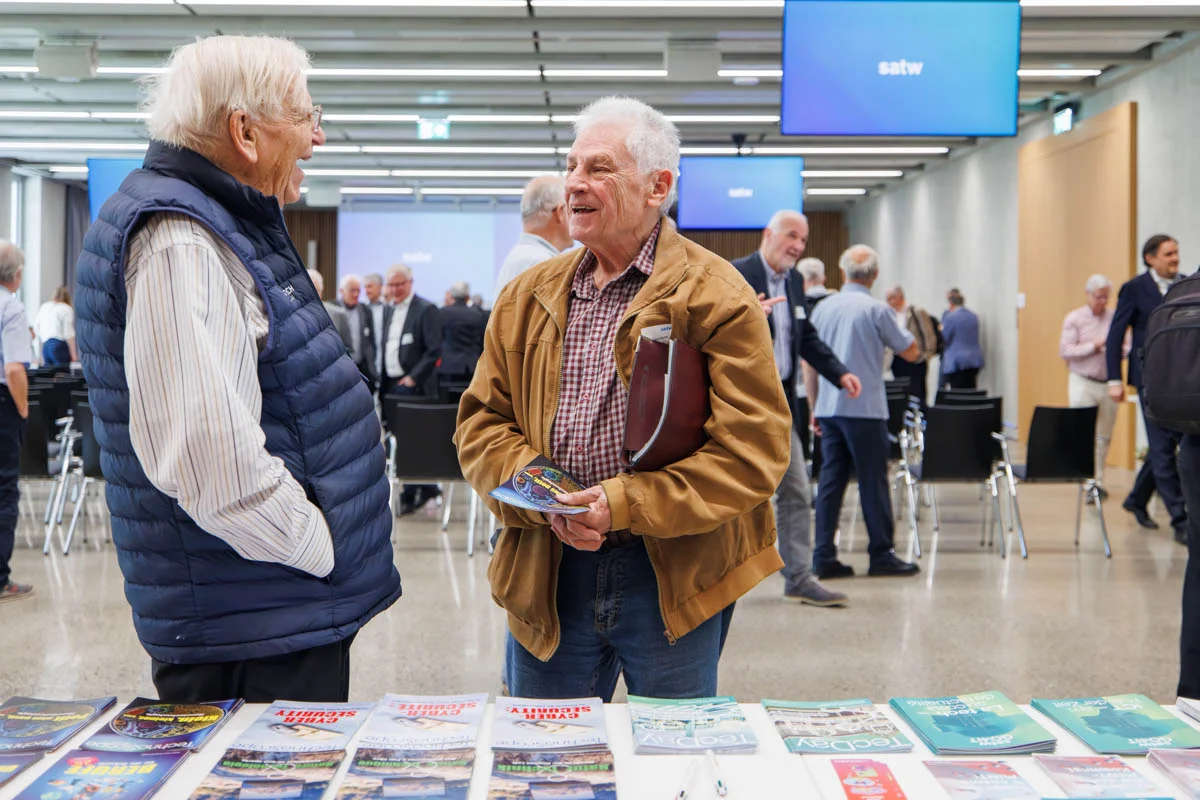
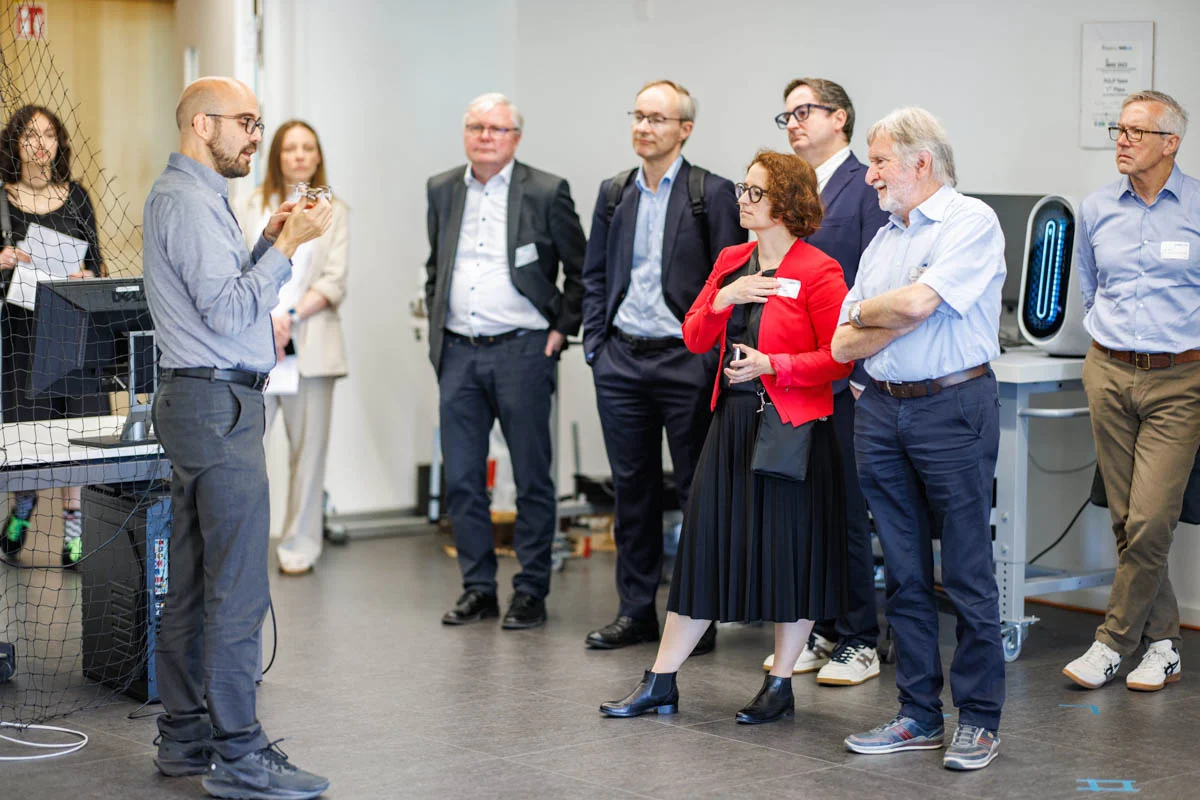
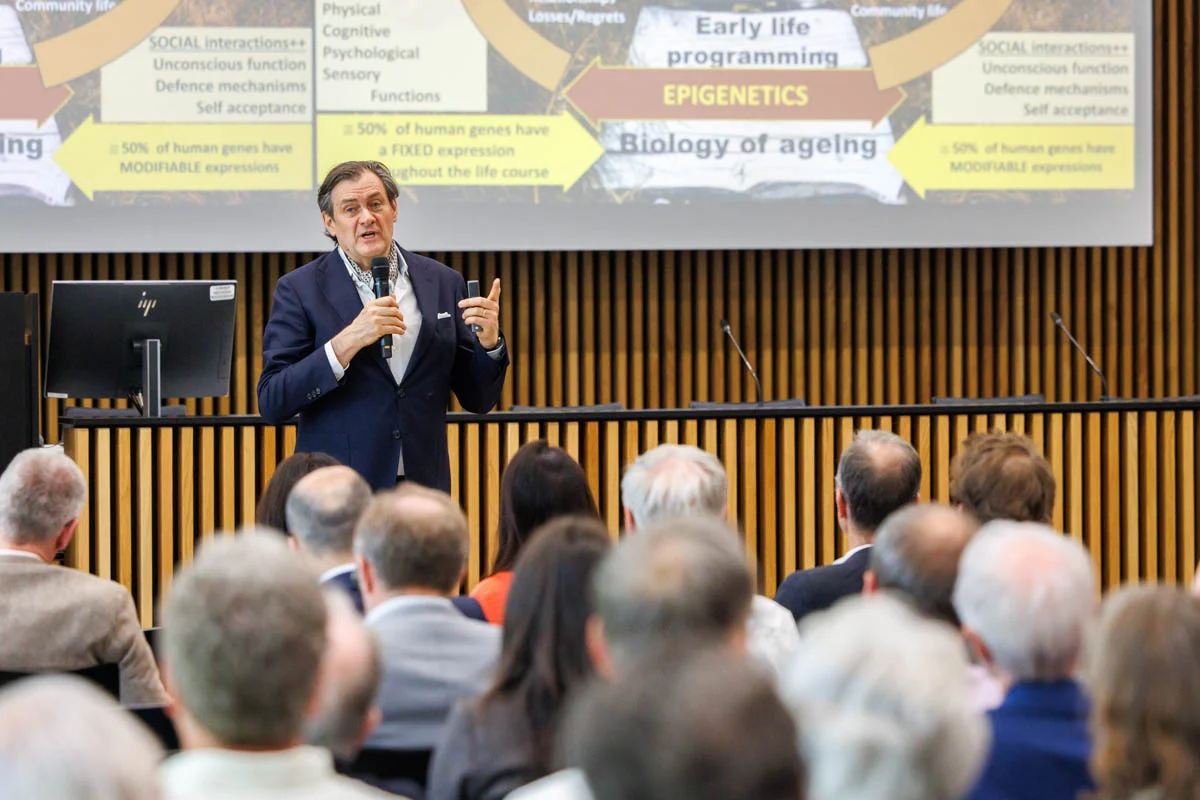
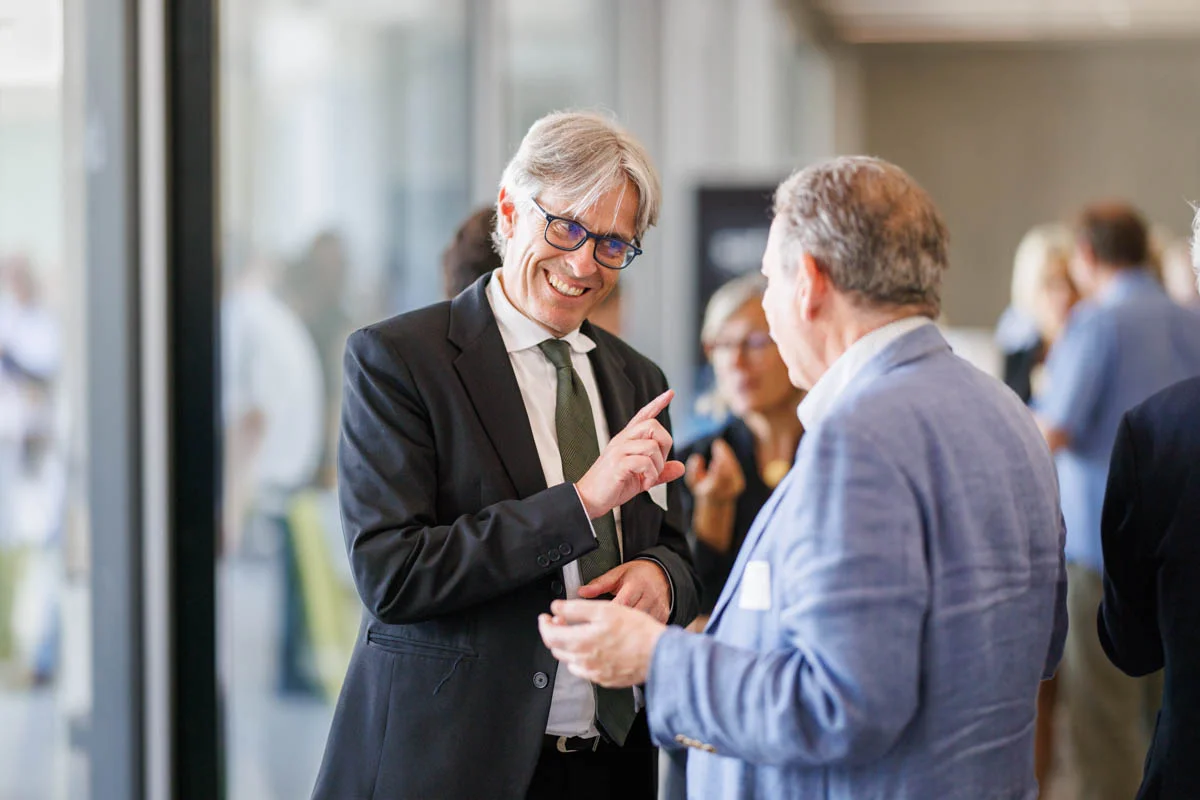
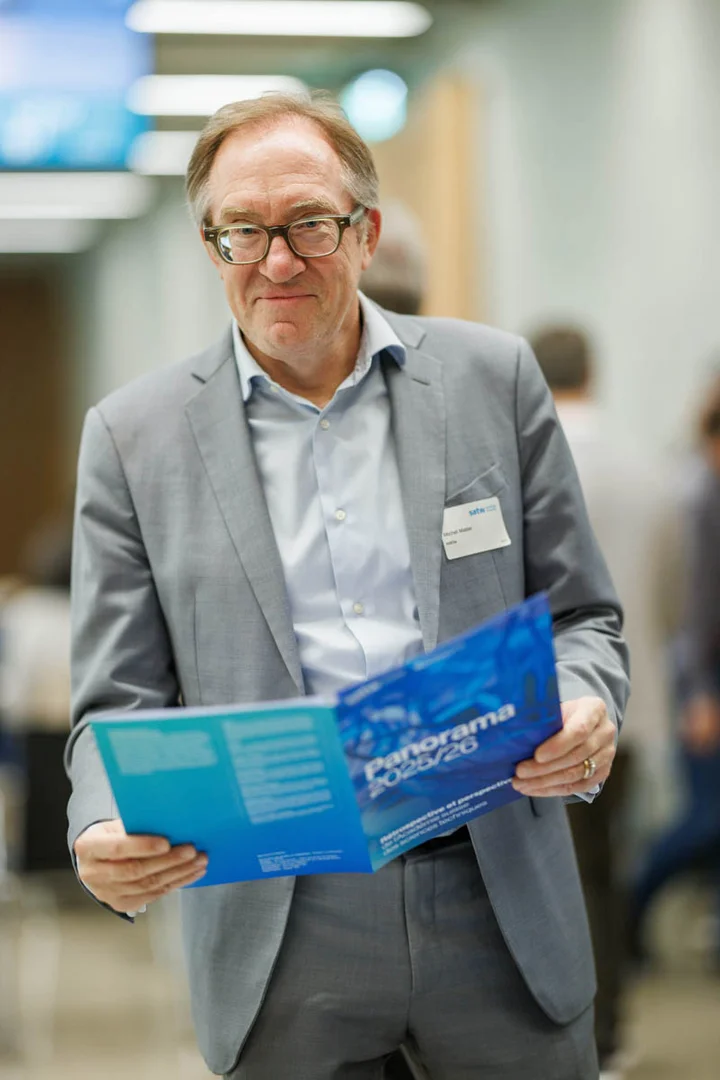
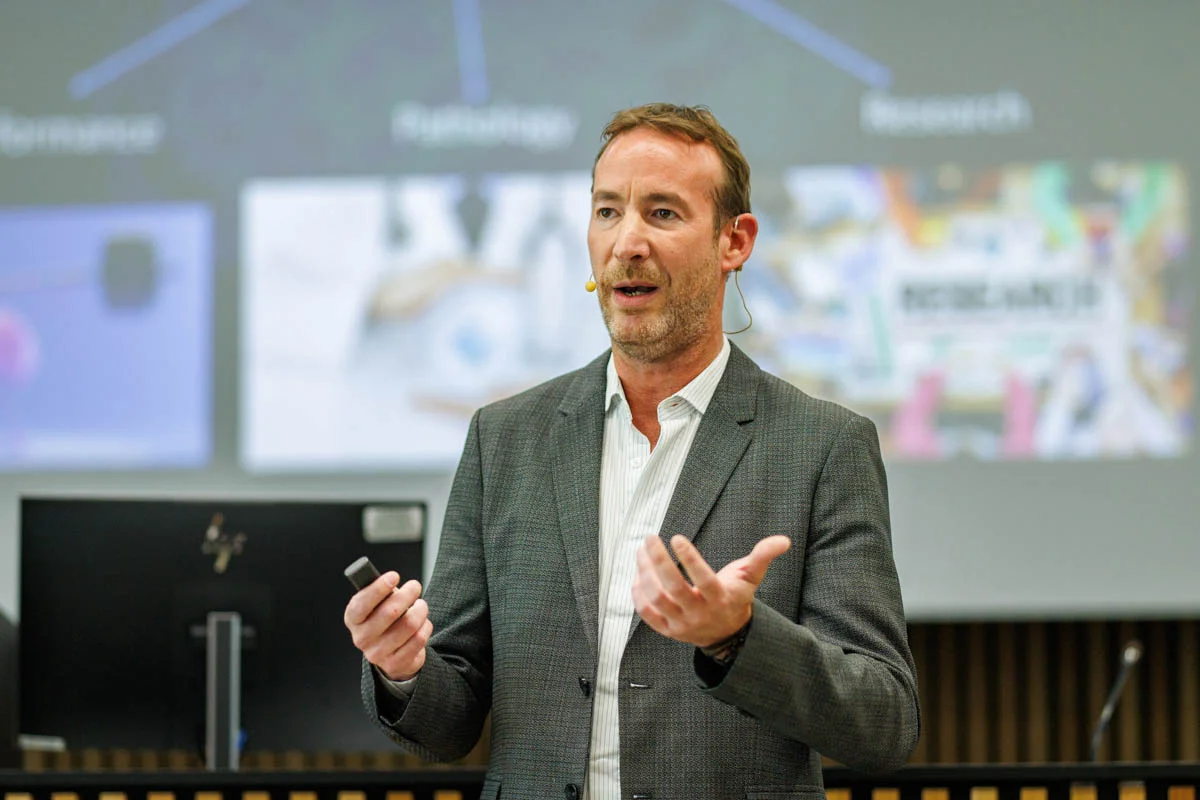
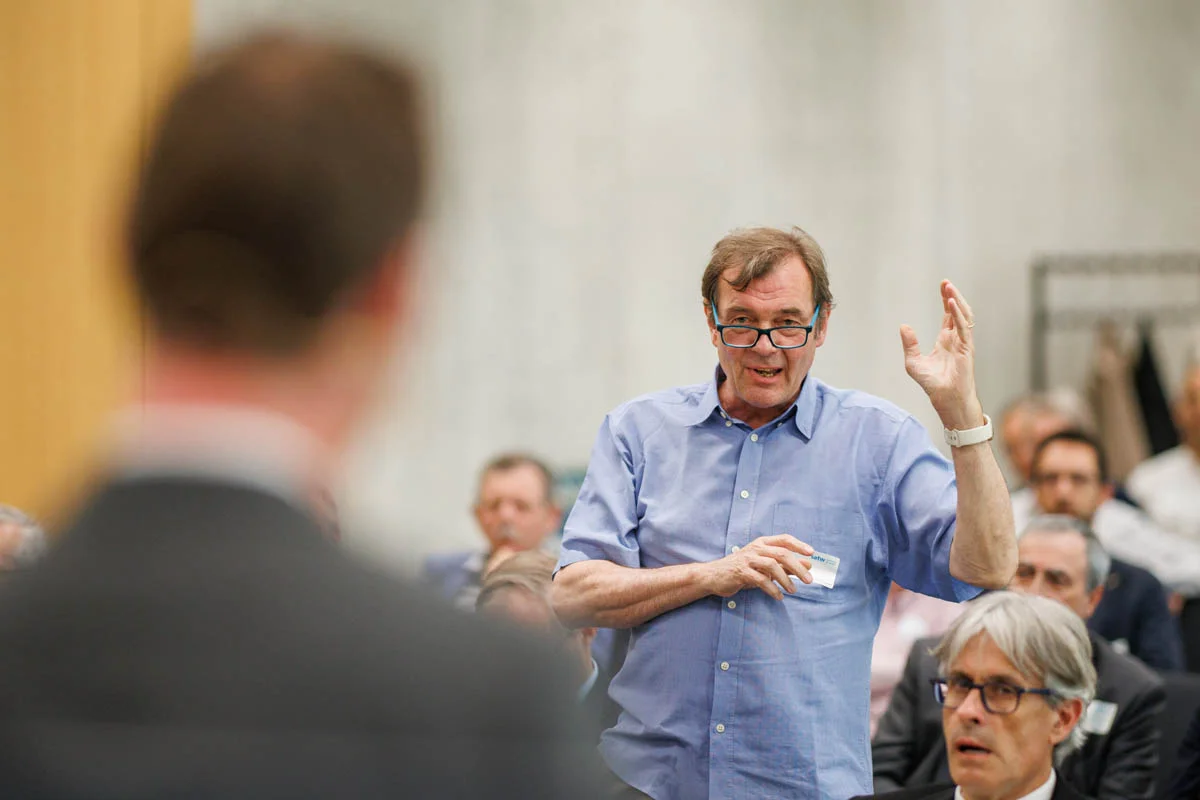
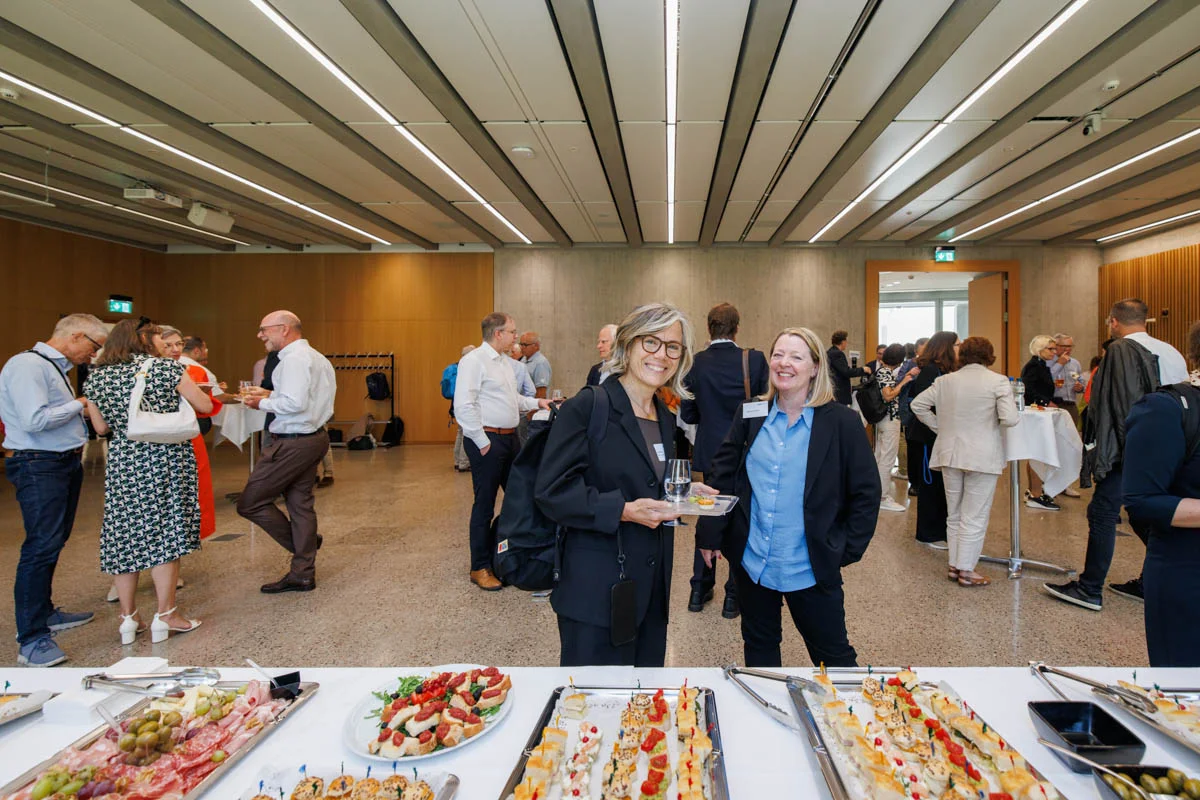
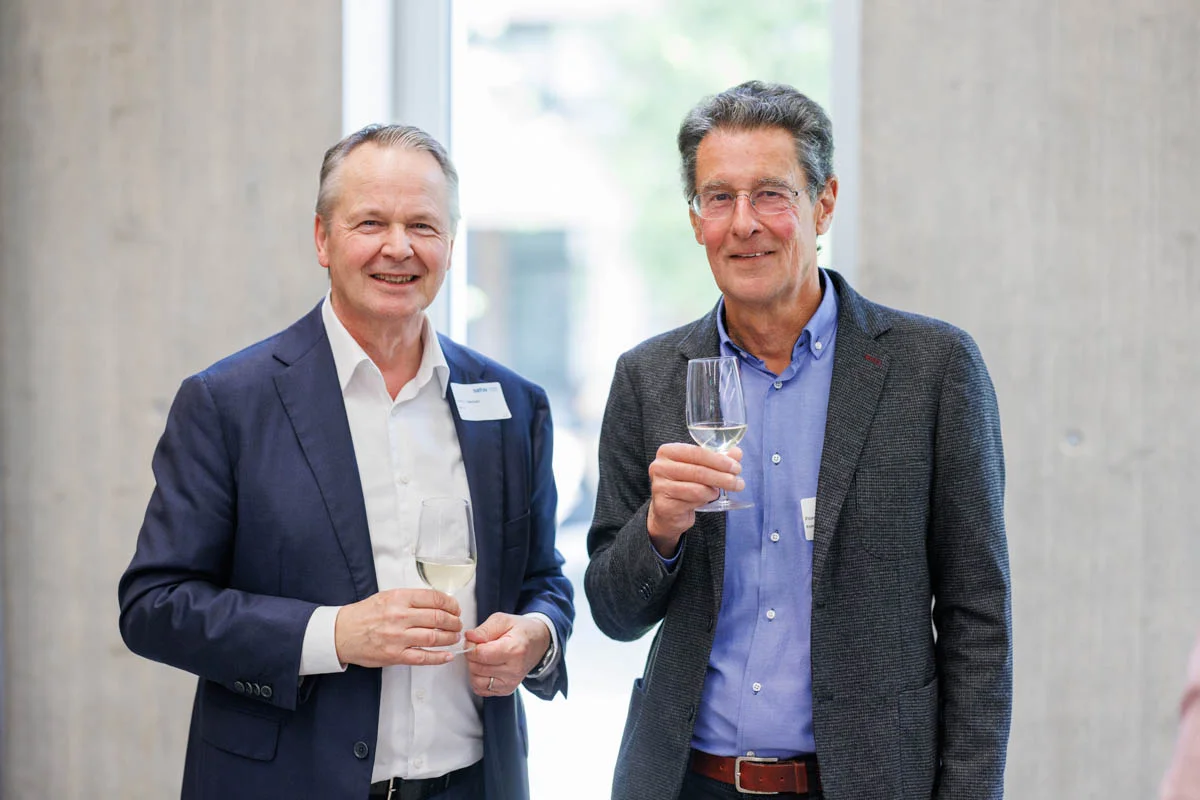
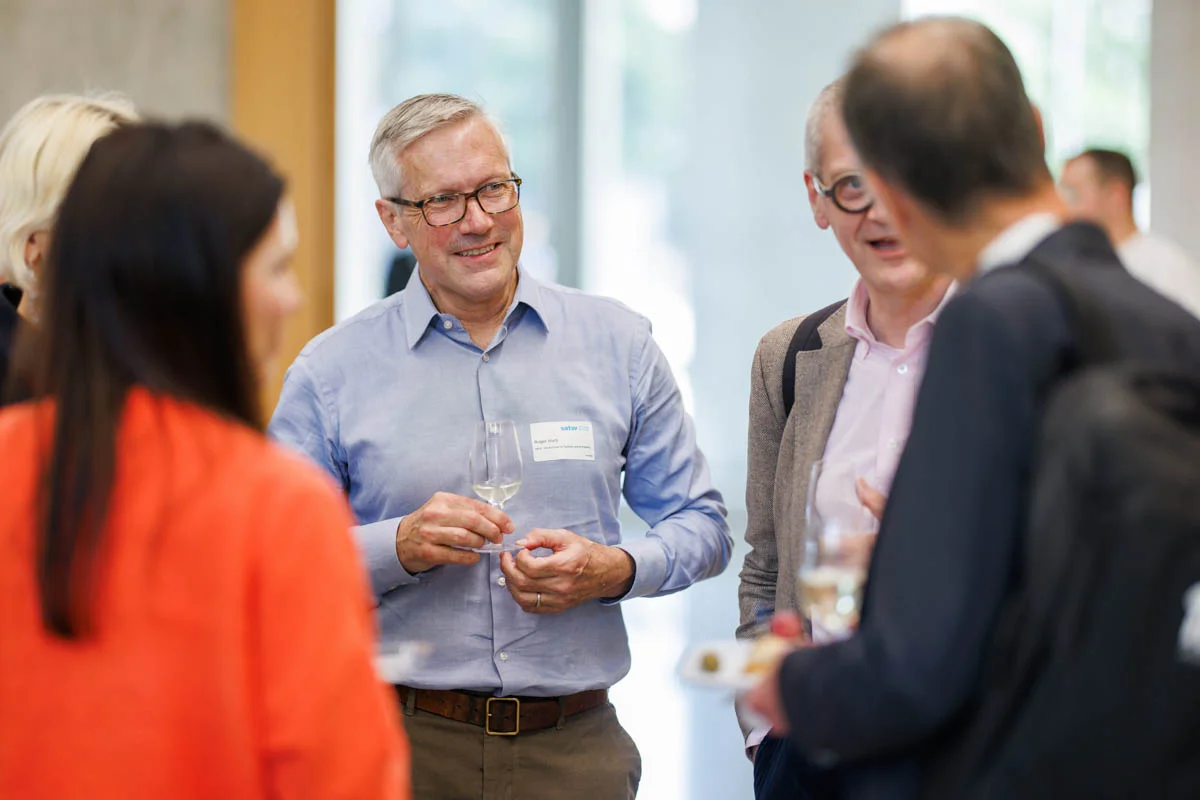
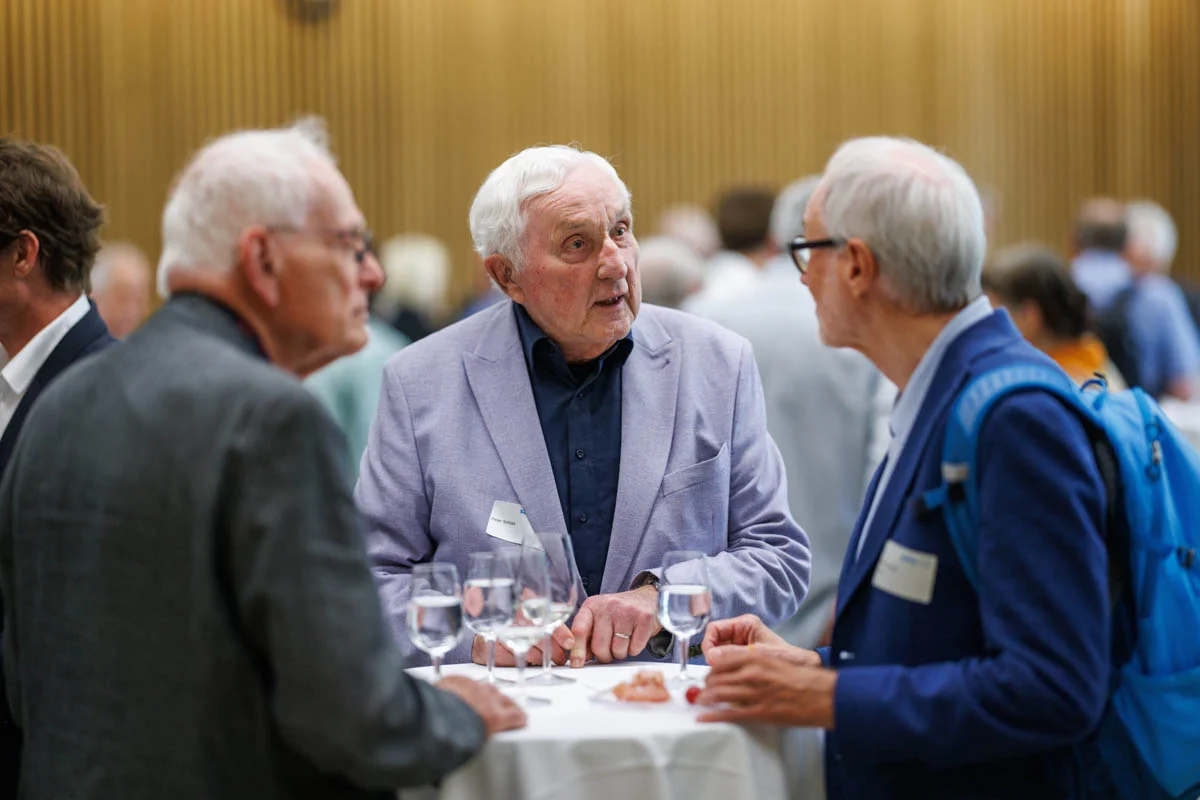
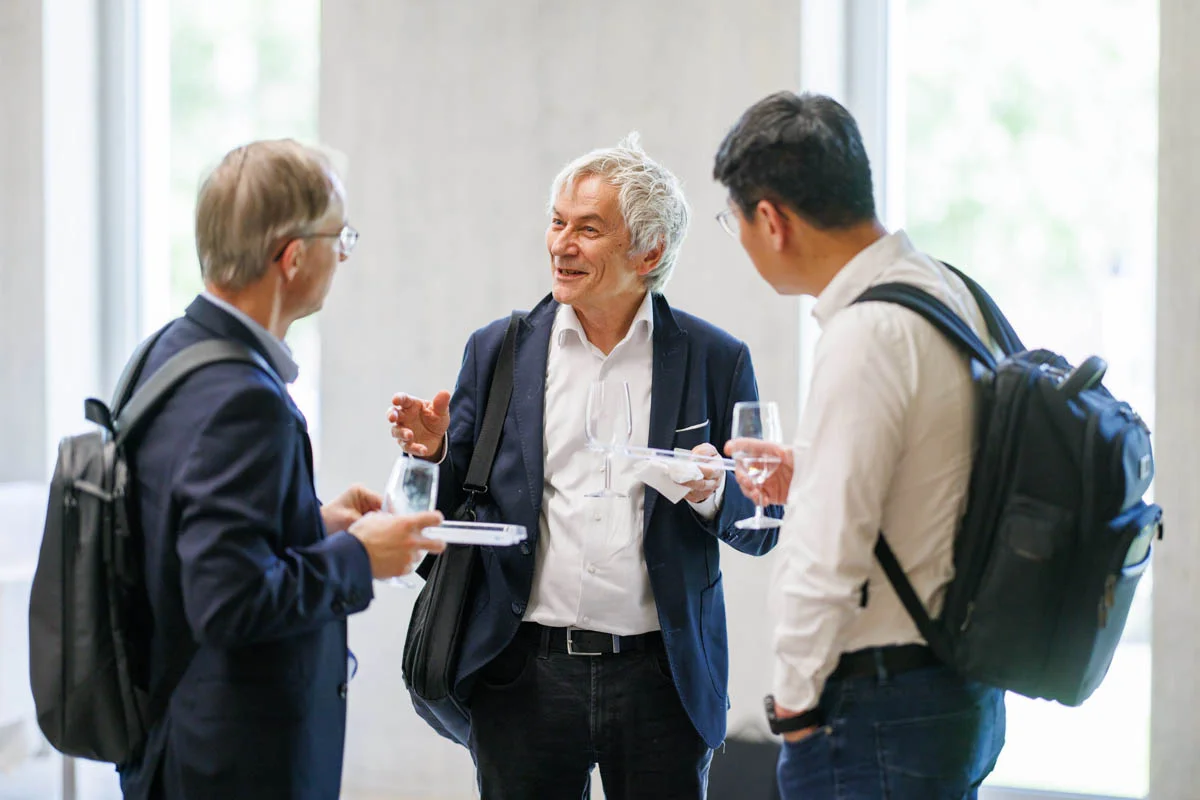
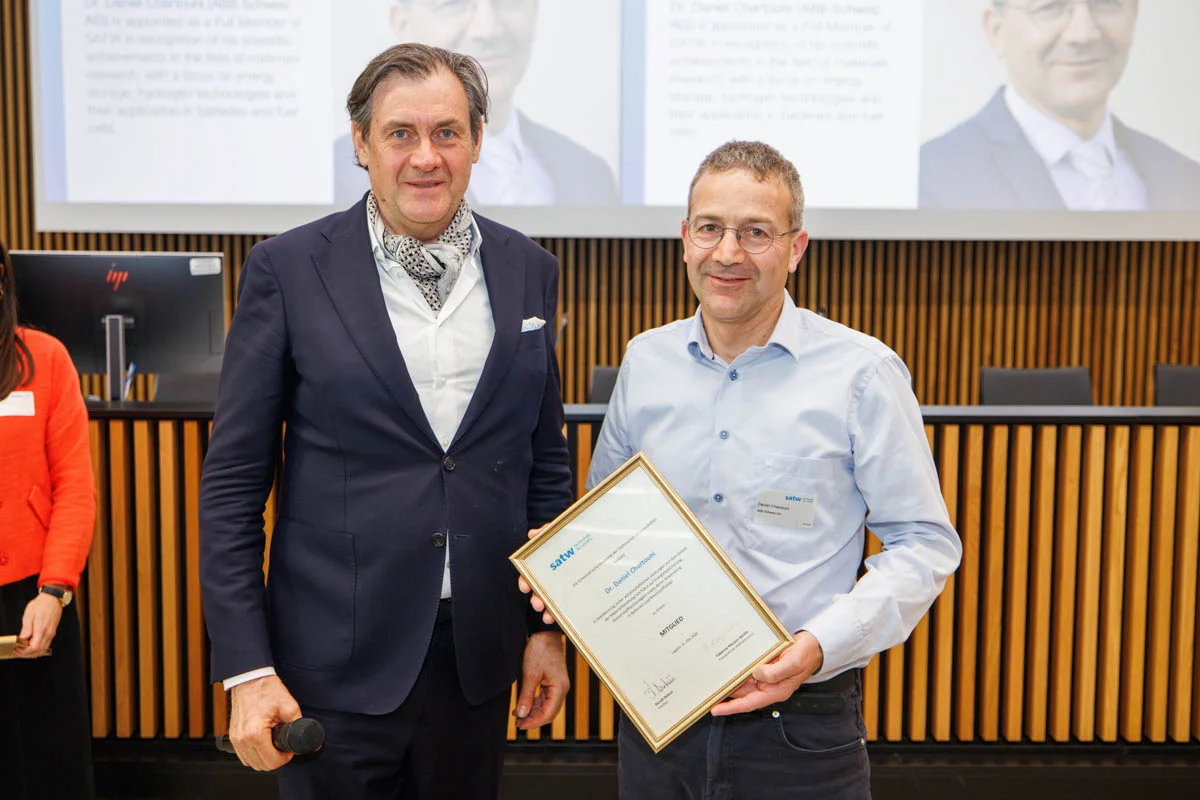
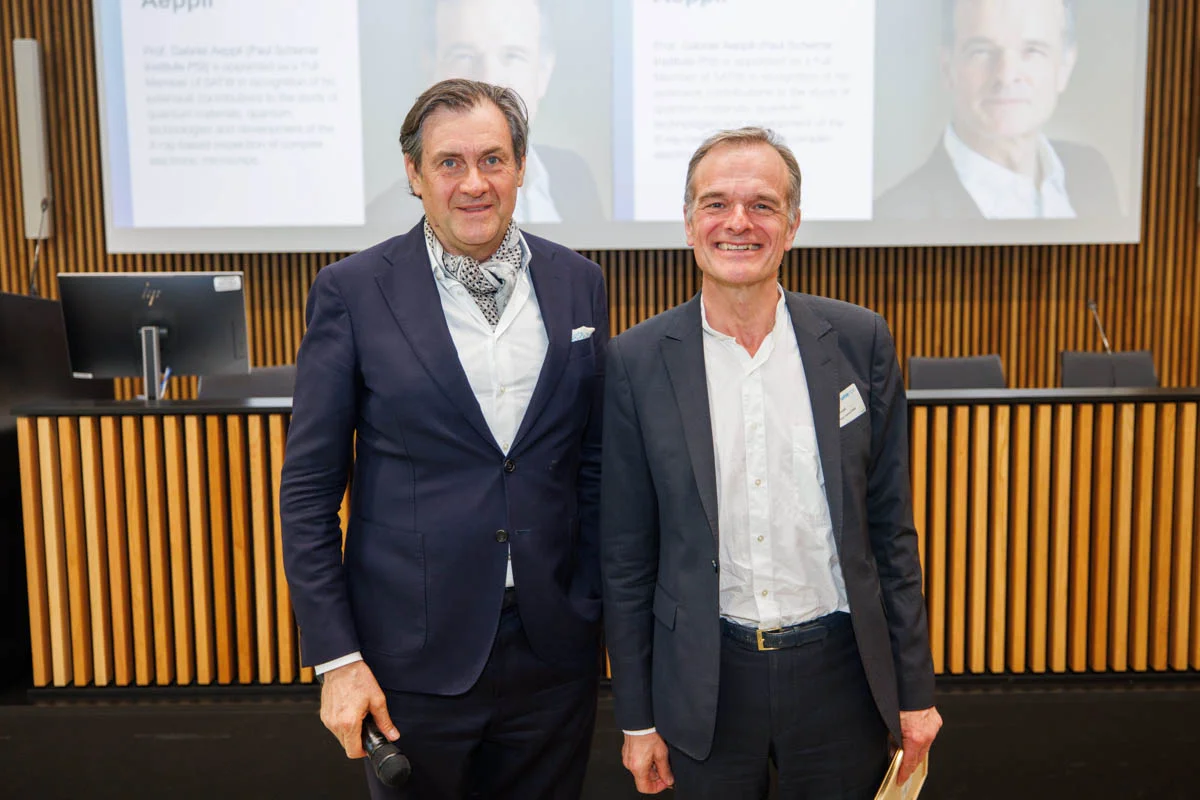
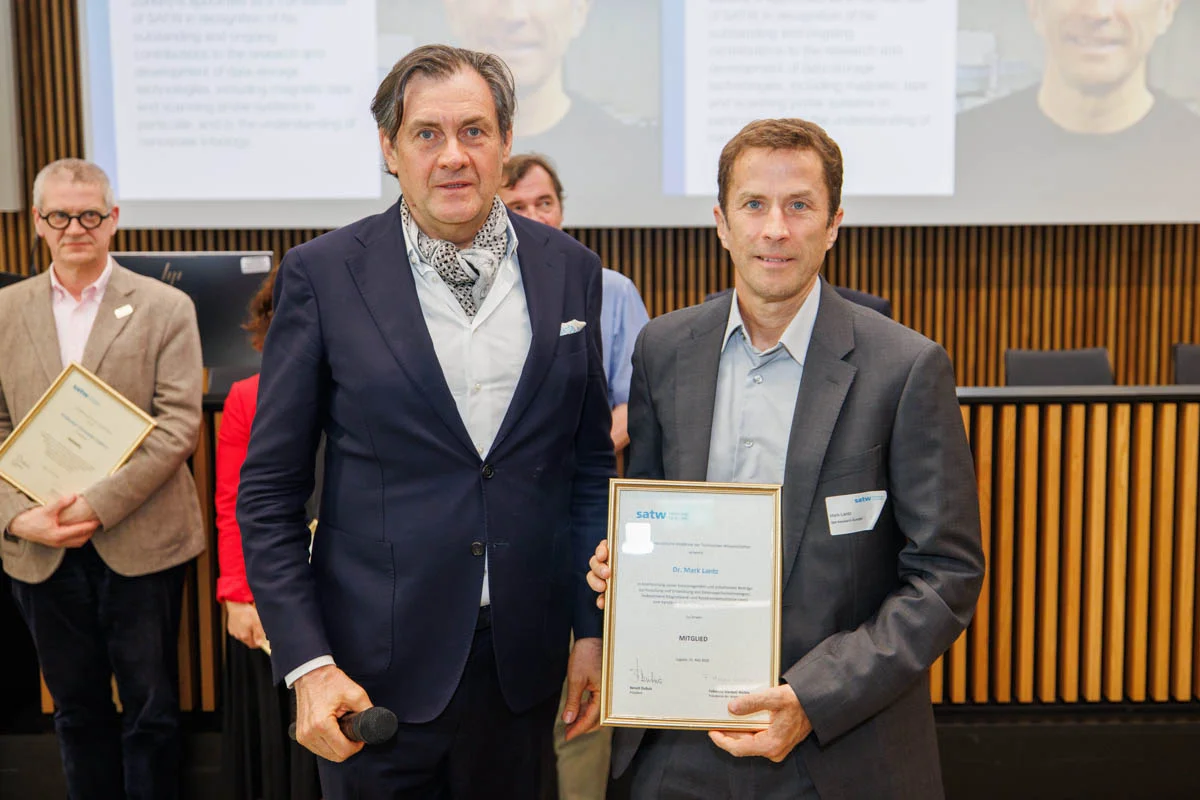
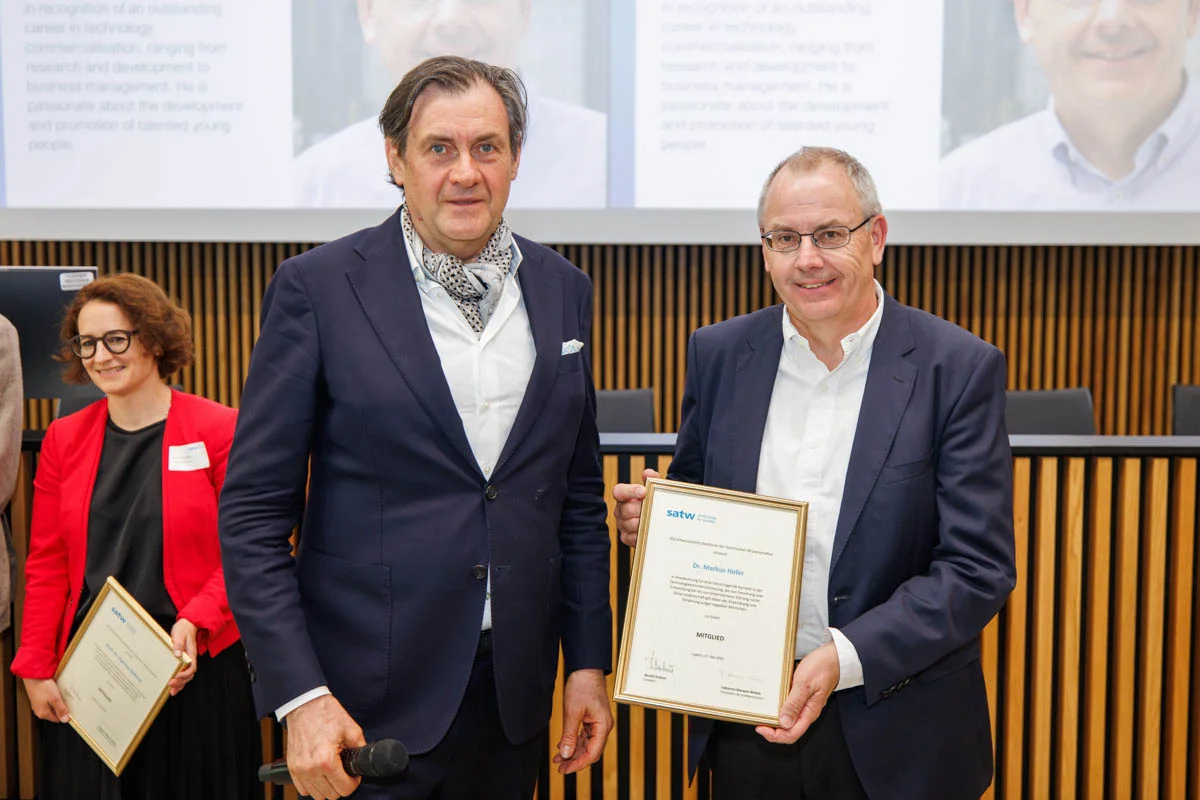
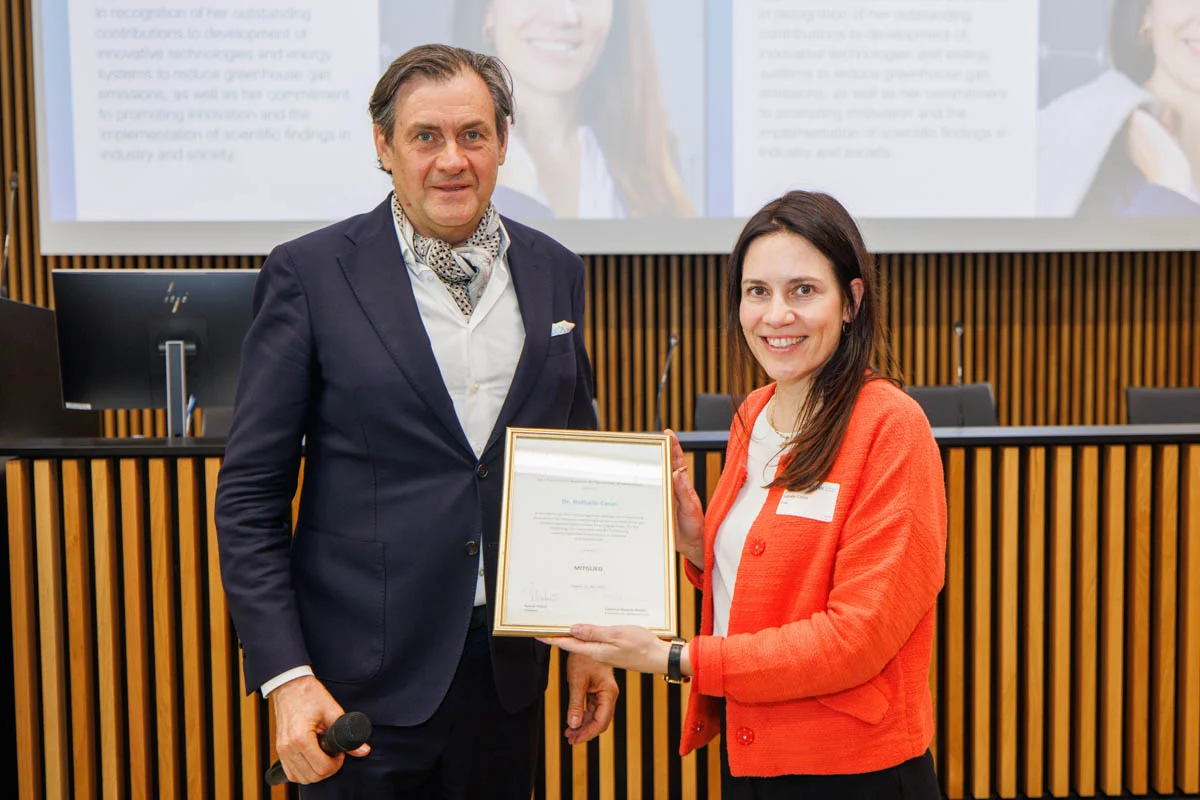
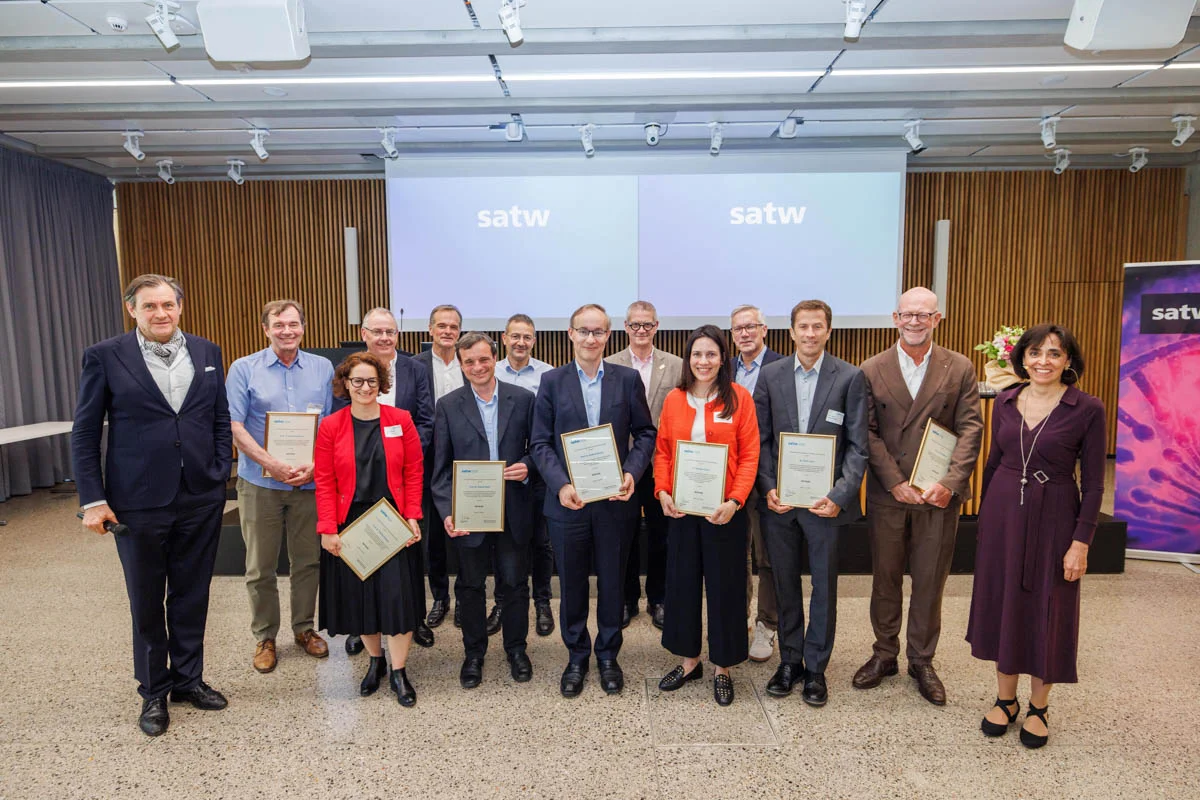
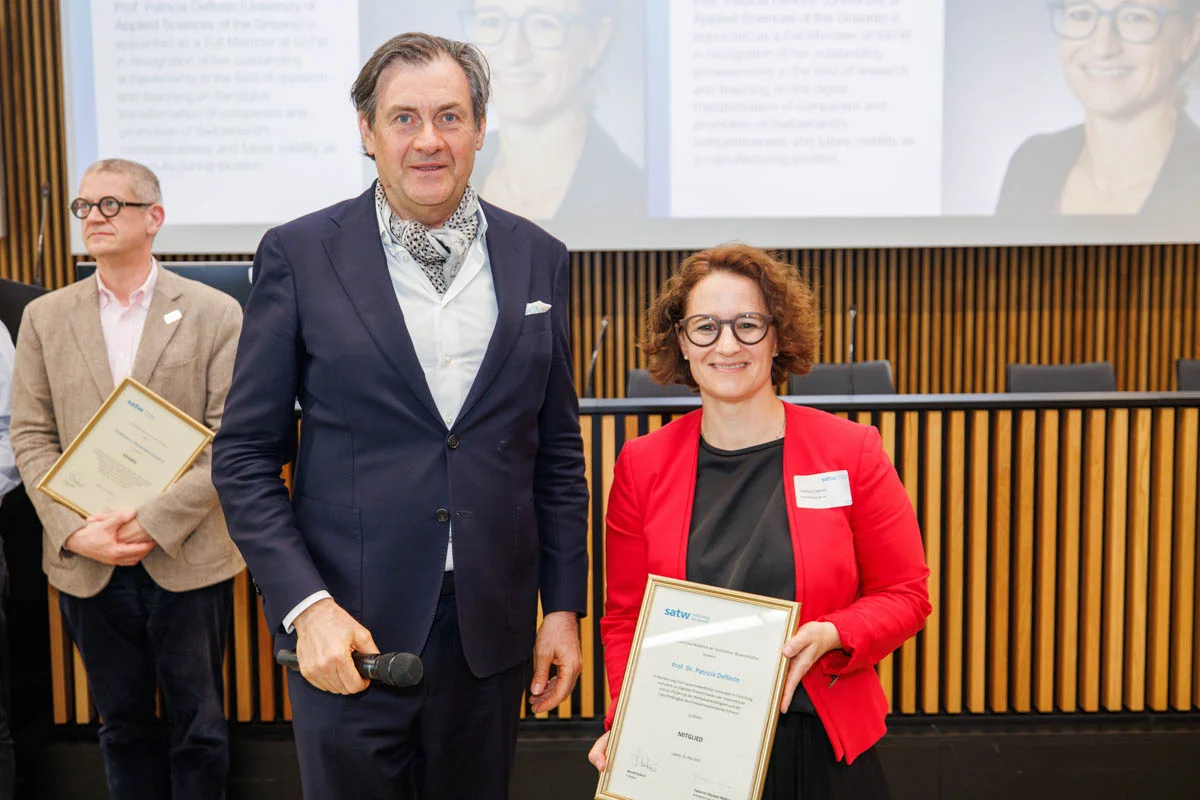
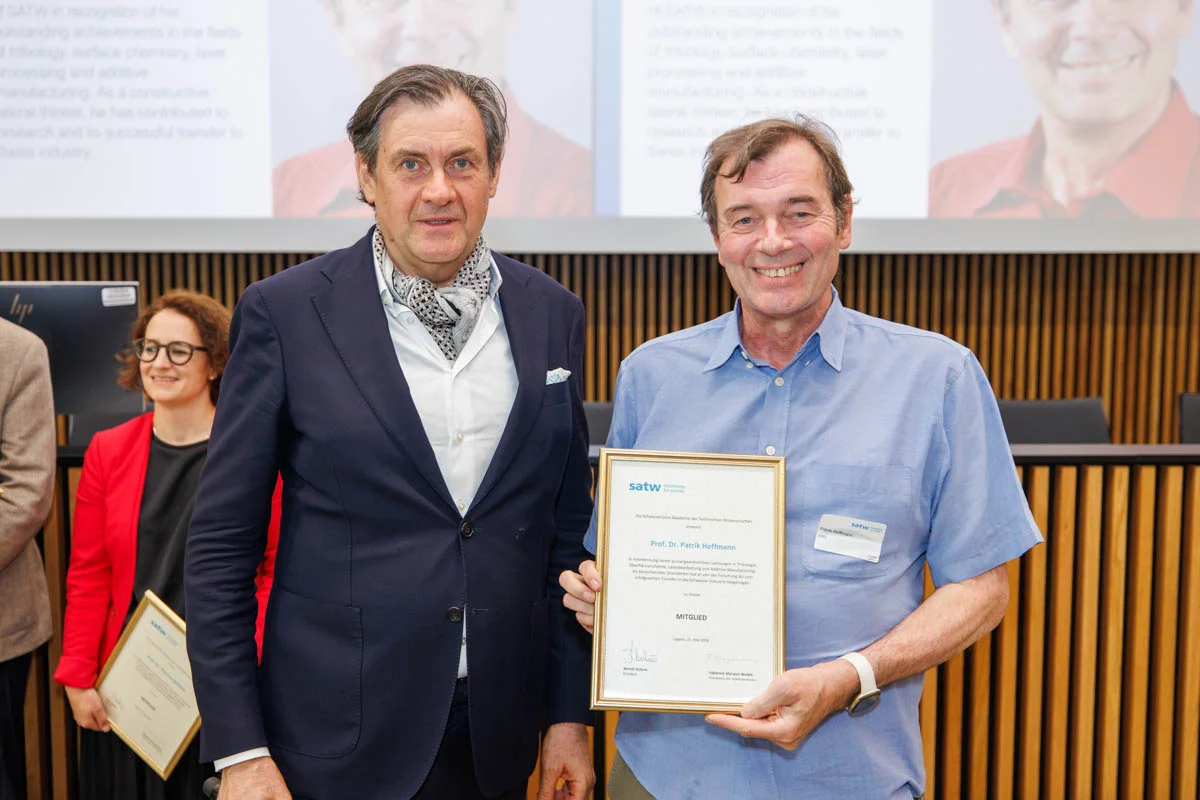
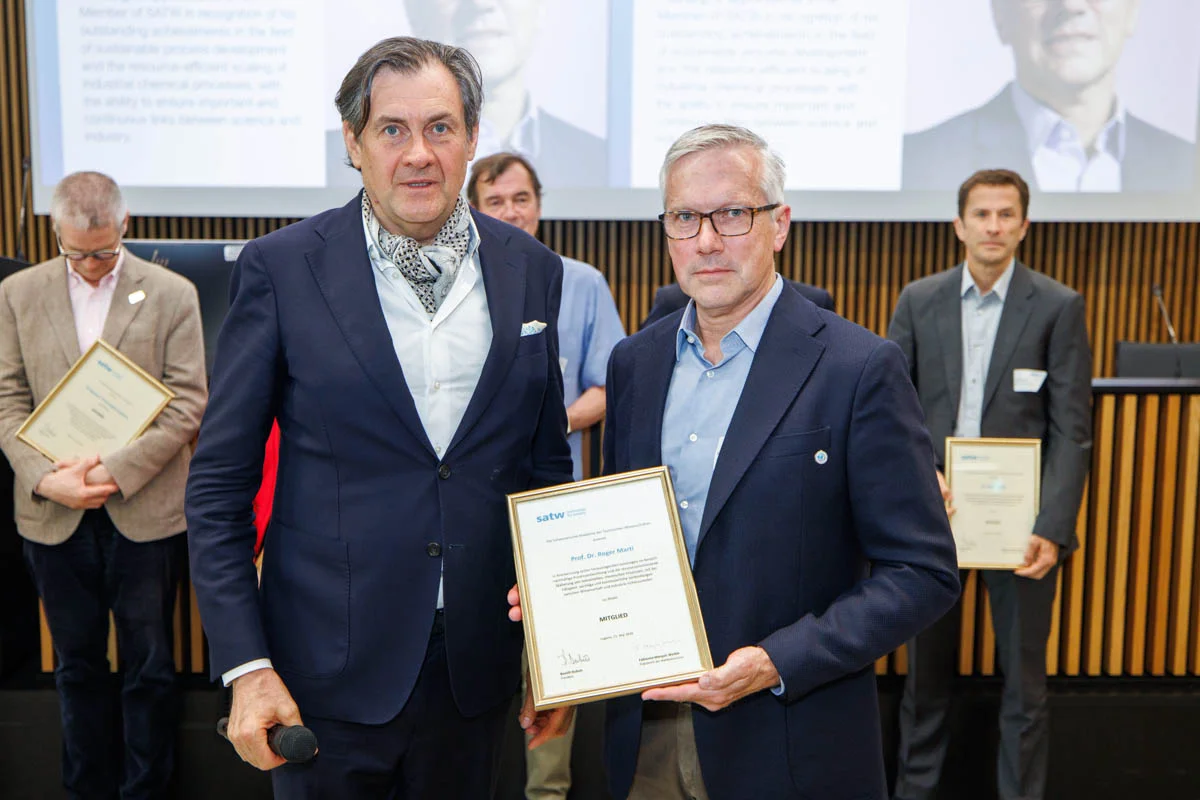
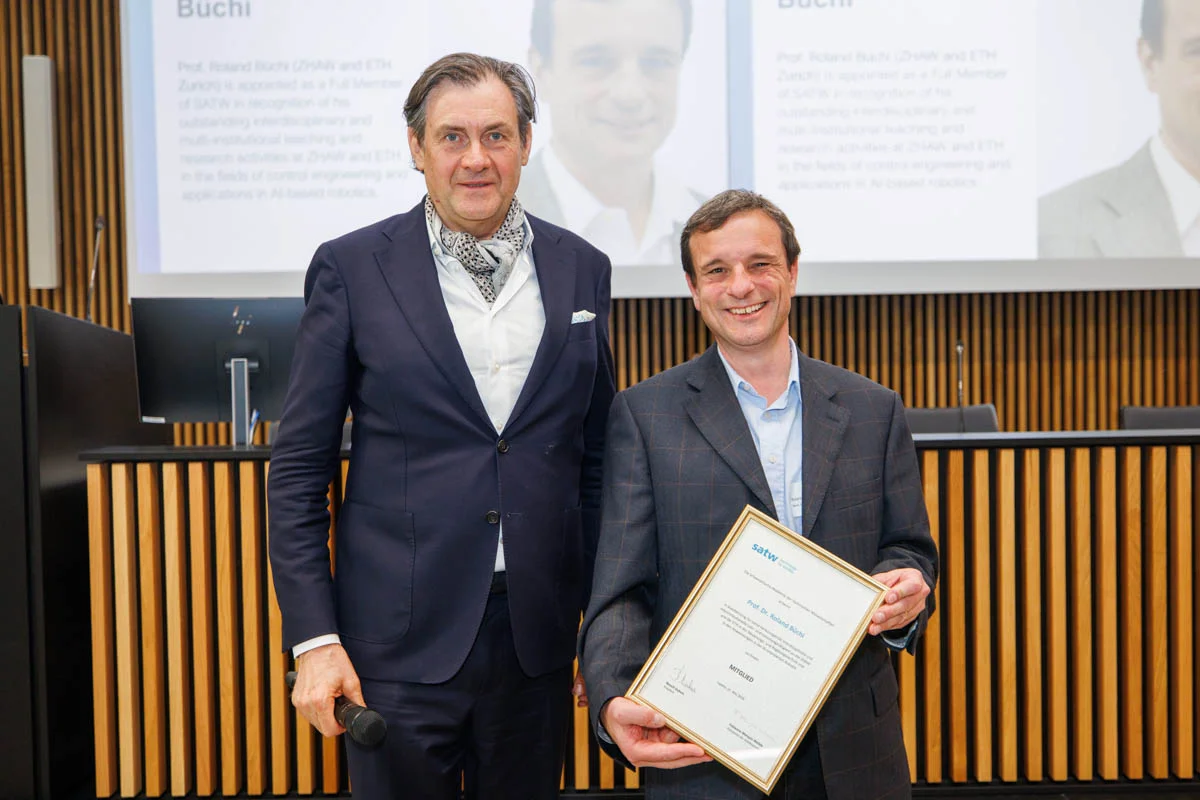
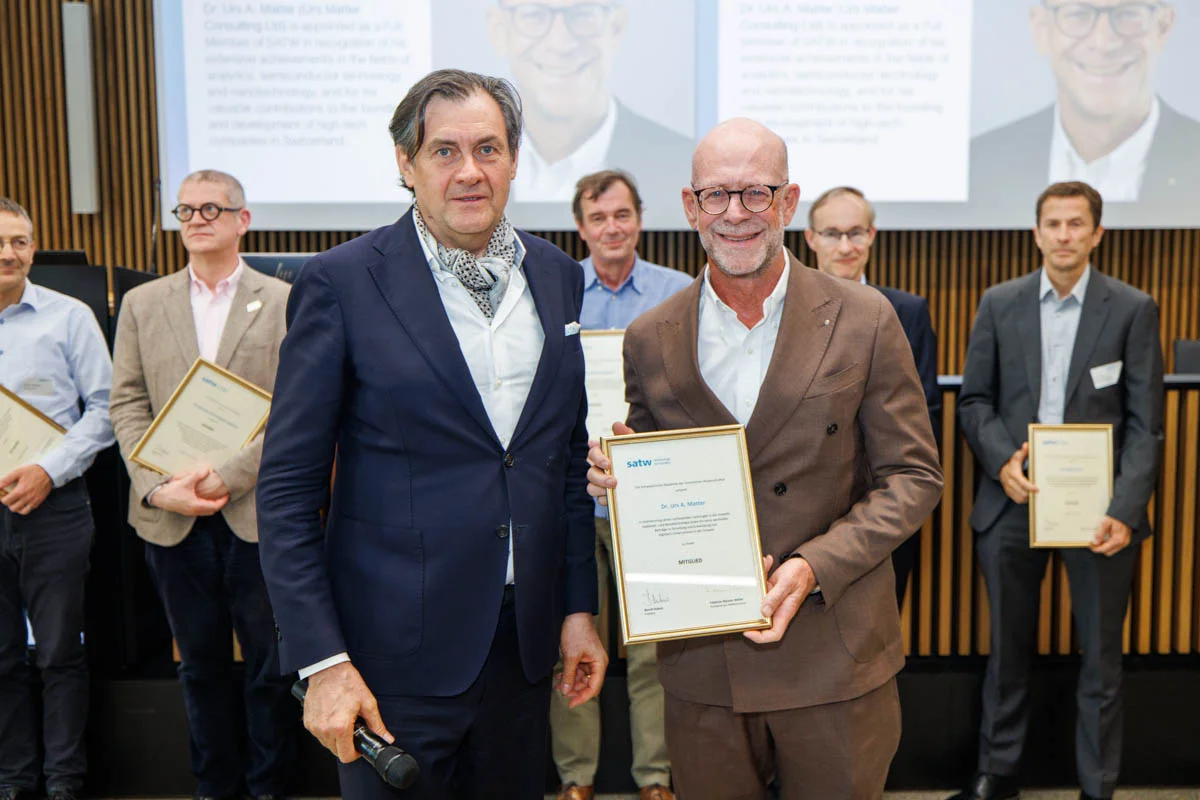
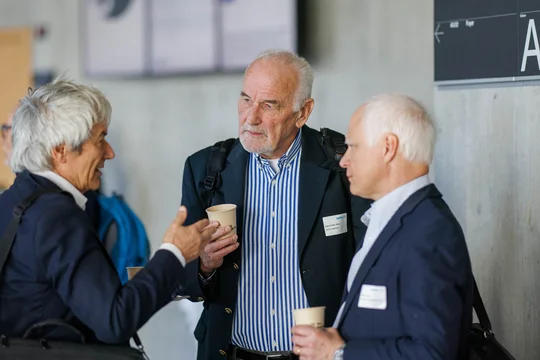
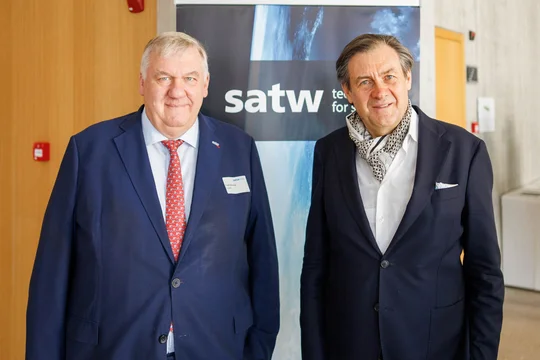
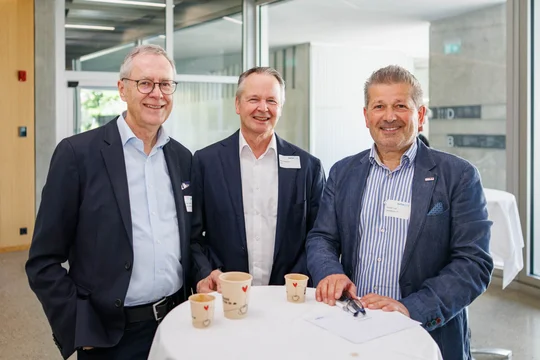
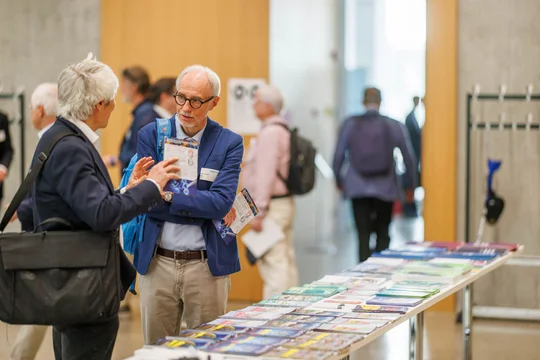
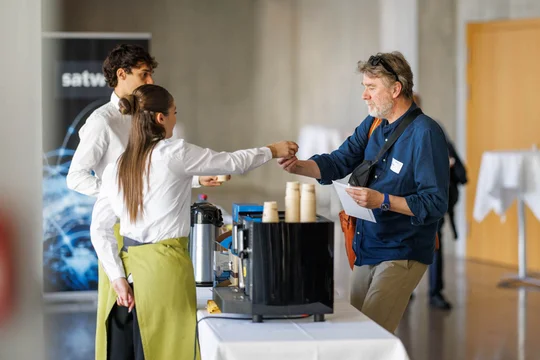
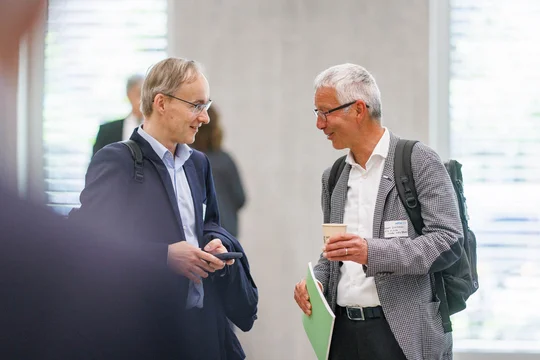
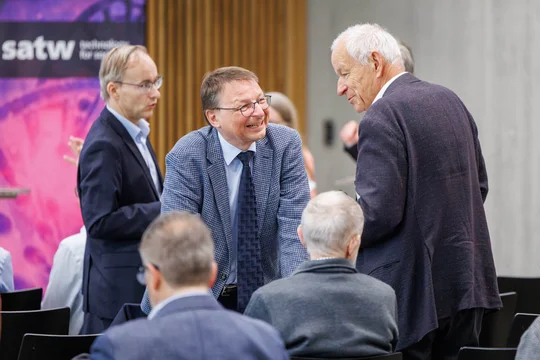
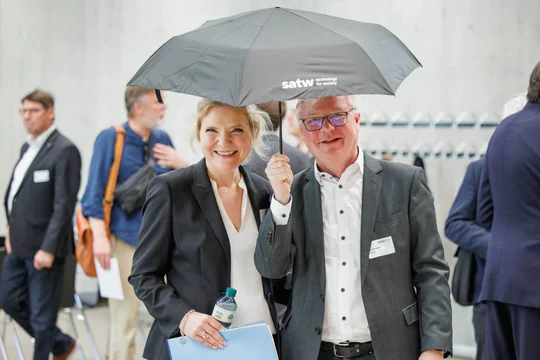
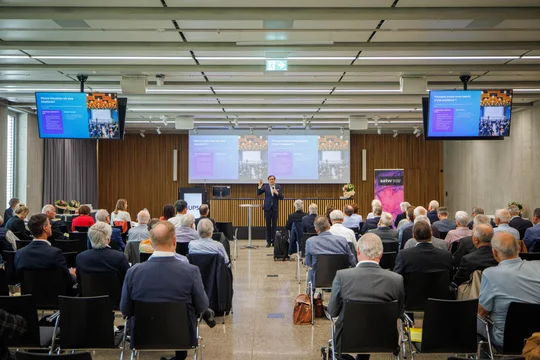
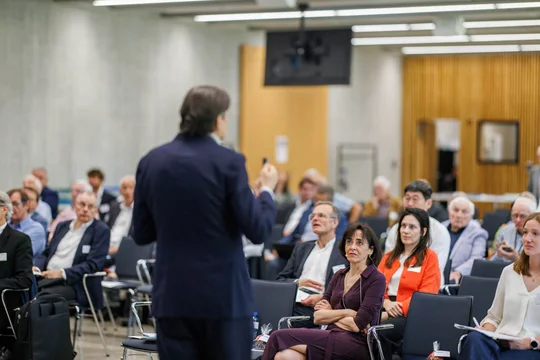
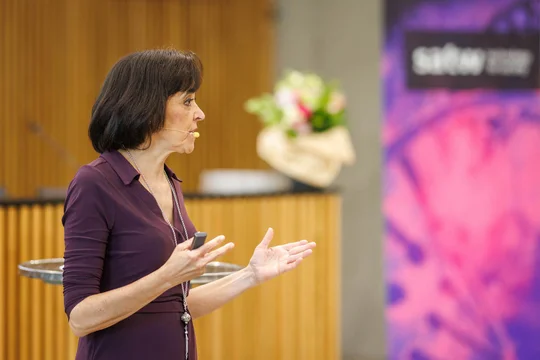
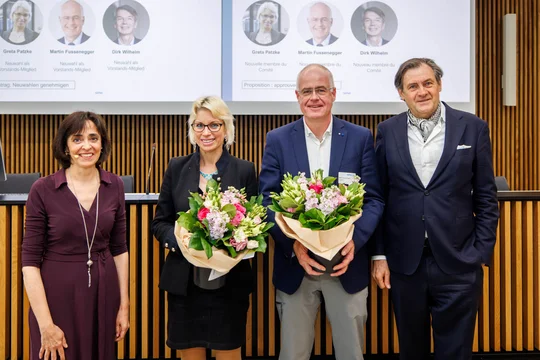
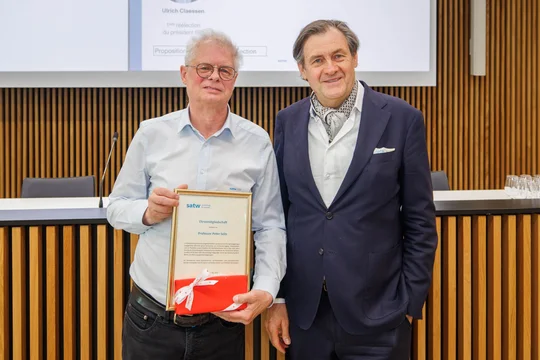
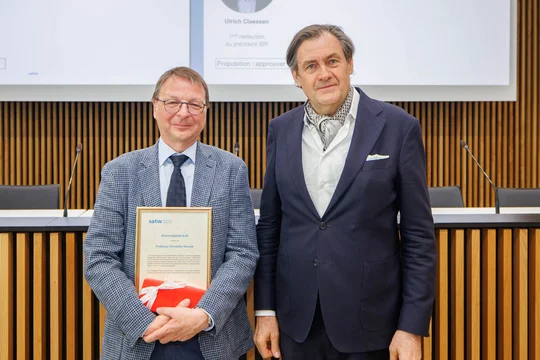
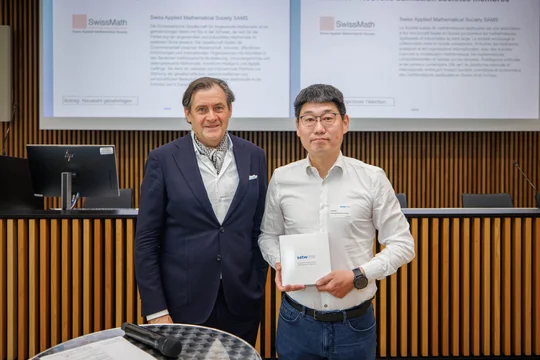
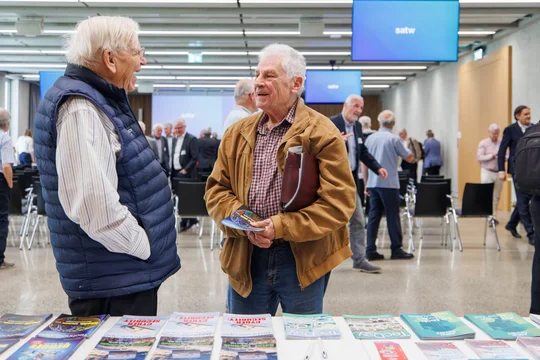
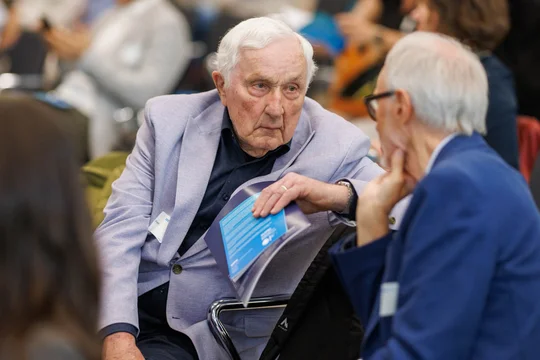
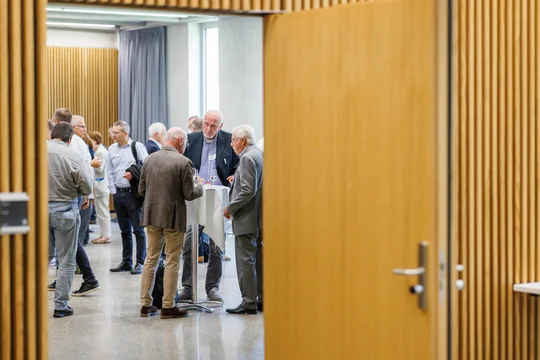
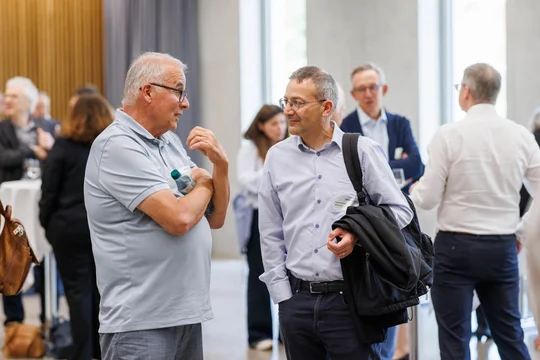
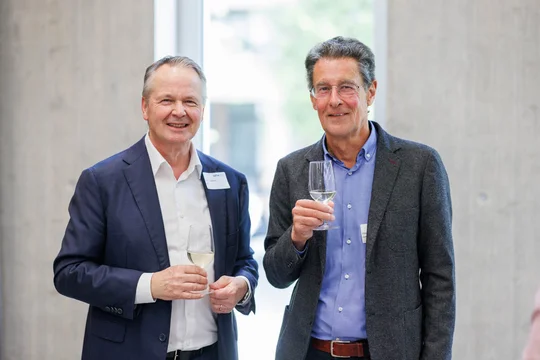
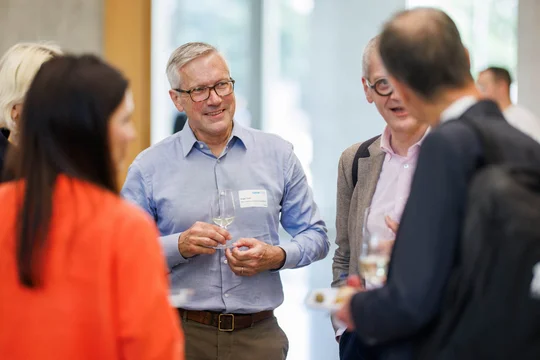
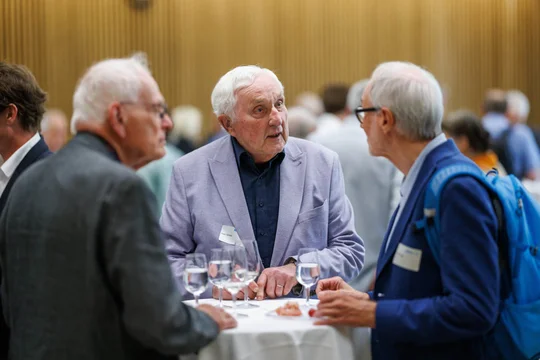
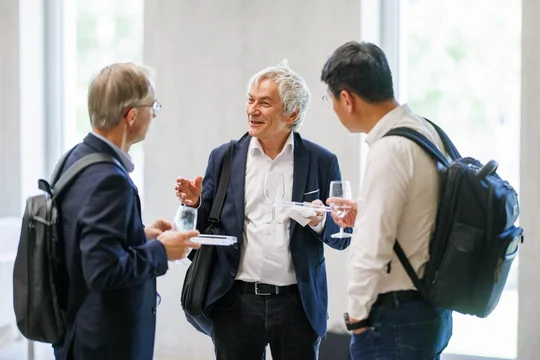
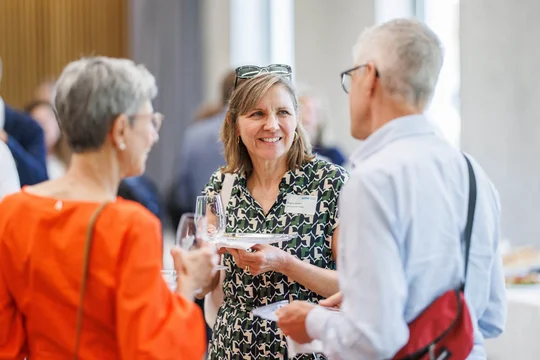
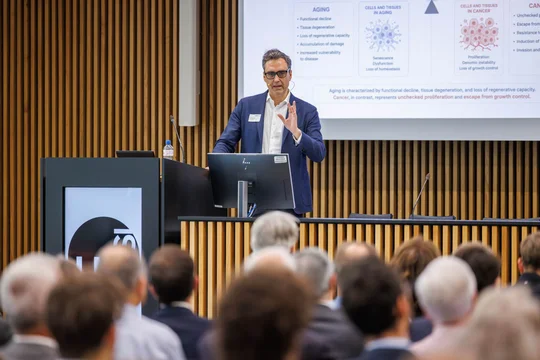
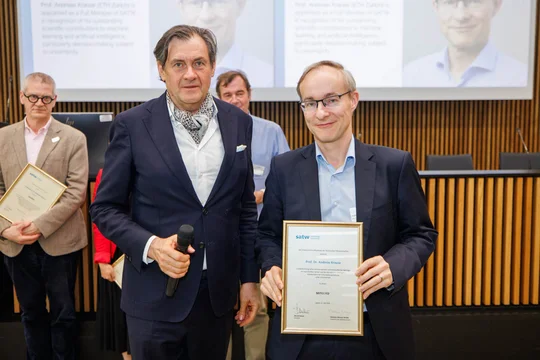
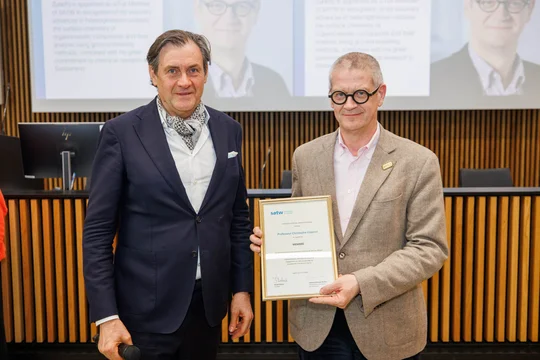
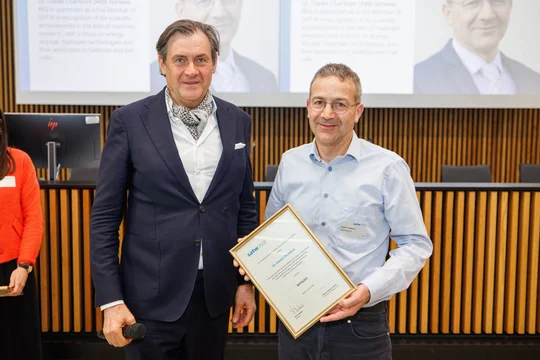
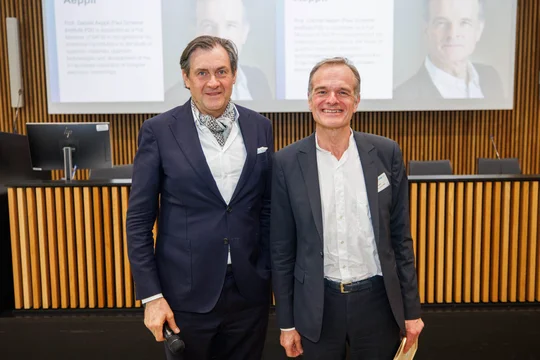
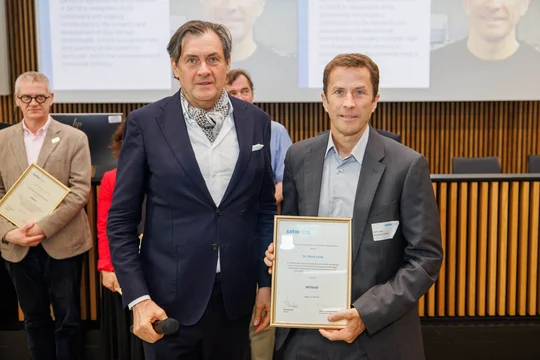
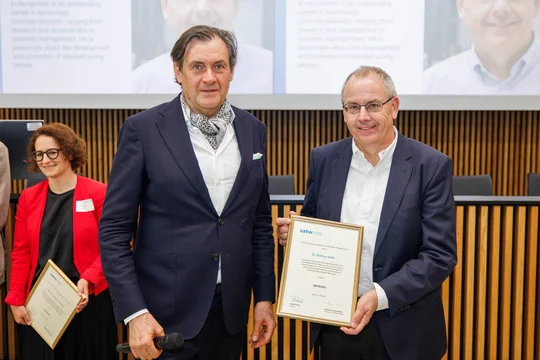
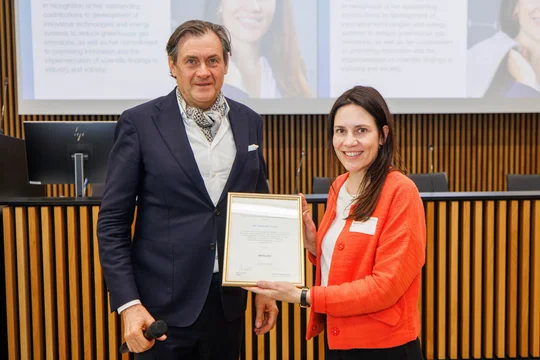
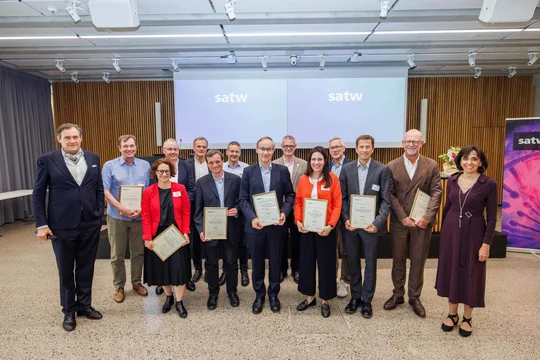
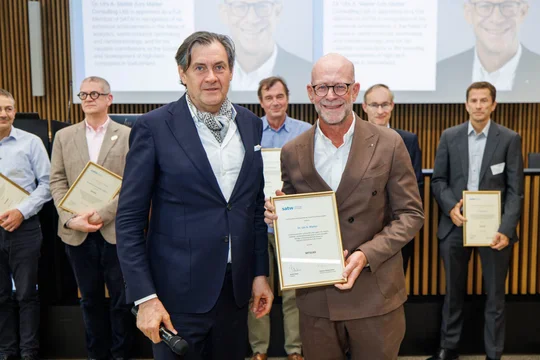
The motto of the annual congress of the Swiss Academy of Engineering Sciences SATW was "Vital Living - healthy ageing for a vital life". The focus was on the question of how research, nutrition and technology can contribute to not only living longer, but staying healthy for longer.
On 21 May 2026 at the Campus Est USI-SUPSI in Lugano-Viganello. The conference language was English and participation was free of charge.
Two keynotes were given by Prof Andrea Alimonti(USI / IOR / ETH Zurich) on cell ageing and Prof Eline van der Beek(Nestlé Institute of Health Sciences / University of Groningen) on nutrition. Prof Laurie Corna(SUPSI), Dr Michel Matter(AMGe), Dr Silvia Misiti(IBSA Foundation) and Dr Alessandro Ruggiero(IBSA) also took part in the panel discussion. Neurovision, IBSA/Altergon/GeneGIS and Xsensio presented in the pitch session.
Today, there is a gap of around nine years between life expectancy and healthy life expectancy. This means that many people spend the last years of their lives with chronic complaints, limited mobility or declining mental capacity. However, this gap is not a law of nature. Research in cell biology, nutritional science and sensor technology shows that biological ageing can be slowed down and a healthy lifespan extended through targeted measures.
Yes, and the effect is greater than many expect. One study shows that switching to a nutrient-rich diet from the age of 40 can increase life expectancy by up to ten years(Fadnes et al., Nature Food 2023). In a 14-year long-term study, dogs on a lean diet lived 17 per cent longer and were biologically younger(Herzig et al., GeroScience 2024). In humans, obesity accelerates biological ageing by up to four years. The Mediterranean diet, stable blood sugar regulation and an adequate supply of NAD+ precursors, which support cellular repair processes, are particularly effective.
With age, so-called senescent cells accumulate in the body - cells that have stopped dividing but do not die. They send out pro-inflammatory signals and favour diseases such as osteoarthritis, vascular calcification or dementia. Researchers are working on active substances that specifically eliminate these cells. A plant extract from Salvia haenkei has been shown to extend lifespan and improve both muscle strength and mental abilities in animal models.
Yes, neuro-visual training - a method that combines eye movement measurement with targeted cognitive exercises - strengthens concentration, responsiveness and mental resilience. The method is already being used by top athletes, children with learning difficulties and older people. Research results show that the brain remains trainable at any age thanks to its plasticity - a key building block for vitality in old age.
Studies show that social isolation and loneliness harbour health risks comparable to regular smoking. Relationships and social integration are among the strongest factors influencing health in old age. This is where a new approach called "social prescribing" comes in: Instead of prescribing medication, GPs are prescribing shared cultural activities - music, theatre, exercise. A "link worker" helps to find the right programme. The model is widespread in the UK and Scandinavia and is now being adapted for Switzerland.
No. People with less education and lower incomes spend significantly more years in poor health - and this inequality is growing. Biological age depends not only on genetics and lifestyle, but also on social conditions: Access to healthy food, medical care, exercise opportunities and social networks. Technology and innovation can help to reduce these differences - provided they are accessible and affordable for all.
The technology is on its way. Miniaturised biosensors - smaller than a fingernail - can tap body fluid directly under the skin via tiny needles and measure health values such as lactate, acidity or signs of inflammation continuously and in real time. Unlike fitness watches, which measure physical data such as heart rate, these chips provide biochemical data. The first application is aimed at intensive care medicine, where they could replace regular blood sampling and recognise circulatory failure earlier. In the long term, applications in preventive medicine and everyday health monitoring are conceivable.
A condition in which cells stop dividing but do not die. They remain in the tissue and send out pro-inflammatory signals. At a young age, this protects against cancer, but with increasing age, these cells accumulate and promote diseases such as osteoarthritis, vascular calcification or dementia. Cellular senescence is considered to be one of the central mechanisms of ageing.
A sugar-protein molecule that occurs naturally in cartilage tissue, where it acts as a shock absorber and water reservoir. The body's own production decreases with age - one reason why joints become stiffer and more fragile. Traditionally, chondroitin was obtained from animal tissue. IBSA/Altergon has developed a biotechnological process in which chondroitin is produced by fermentation using genetically modified bacteria (E. coli) - without animal raw materials. The company is a world leader in the production of these so-called oligosaccharides and uses chondroitin in medicines, food supplements and medical products.
A new class of active substances that specifically eliminate senescent - i.e. "immobilised" - cells. In animal experiments, muscle strength and mental abilities improved after treatment. The herbal active ingredient Haenkenium from Salvia haenkei, which acts as a natural senolytic, was presented at the congress.
Biological age describes how old the body actually is based on its cell and organ functions - in contrast to chronological age (date of birth). It can be higher or lower than the passport age. Being overweight can increase the biological age by up to four years, while weight reduction and a healthy diet can reduce it.
NAD+ (nicotinamide adenine dinucleotide) is a molecule that is found in every cell and plays a central role in energy supply and repair. The NAD+ level decreases with age. Certain precursors - so-called NAD+ precursors such as NR (nicotinamide riboside) and NMN (nicotinamide mononucleotide) - can raise the level again.
The number of years a person spends in good health - in contrast to lifespan, which comprises all years of life. The gap between the two is currently around nine years. The aim of the research presented at the congress is to narrow this gap.
A model in which GPs prescribe social or cultural activities instead of medication - such as playing music, theatre or exercise groups together. A "link worker" helps to find the right activity. The concept is widespread in the UK and Scandinavia and is now being adapted for Switzerland by the IBSA Foundation.
An approach from behavioural research that encourages people to adopt healthier behaviour through small incentives - without prohibitions or coercion. For example, an app that shows how a meal affects blood sugar levels can motivate people to make different choices next time. At the congress, Prof van der Beek spoke of "digital companions" that use this principle.
The totality of all microorganisms (especially bacteria) that live in and on the human body - mainly in the gut. The microbiome influences digestion, the immune system, mood and possibly also the ageing process. Dr Michel Matter describes it as a "second brain" and sees it as a key to future research into ageing.
An endogenous substance that is found in joints, skin and connective tissue, where it provides moisture and elasticity. Production decreases with age. IBSA/Altergon produces hyaluronic acid biotechnologically and uses it in products for joints, skin and tissue regeneration.
A technology from the Swiss company Xsensio: a miniaturised sensor chip that is worn on the skin and taps into body fluid via tiny needles. It measures health values such as lactate levels, acidity or signs of inflammation - continuously and in real time, without taking blood samples.
This report summarises the keynotes, the panel discussion and the pitch session of the SATW Annual Congress 2026, which took place on 21 May 2026 at the Campus Est USI-SUPSI in Lugano-Viganello. The report is based on the speakers' presentations and the transcript of the panel discussion.
Prof Andrea Alimonti (USI / IOR / ETH Zurich), Prof Eline van der Beek (Nestlé Institute of Health Sciences / University of Groningen)
Prof Laurie Corna (SUPSI), Dr Michel Matter (AMGe), Dr Silvia Misiti (IBSA Foundation), Dr Alessandro Ruggiero (IBSA), Prof Eline van der Beek (Nestlé Research). Moderation: Prof Benoît Dubuis (President SATW)
Romain Bordas (Neurovision), Dr Salvatore Cincotti (IBSA / Altergon / GeneGIS / Sintyl), Esmeralda Megally (Xsensio)
| Role | Title + Name |
|---|---|
| Text by | Claude Naville |