Translated by an automated translation plugin.
The SwissCyber Initiative systematically records industrial research and development as well as competences and dependencies in Swiss cybersecurity. The aim is to create a holistic, data-based picture of the national cybersecurity landscape as a basis for well-founded decisions.
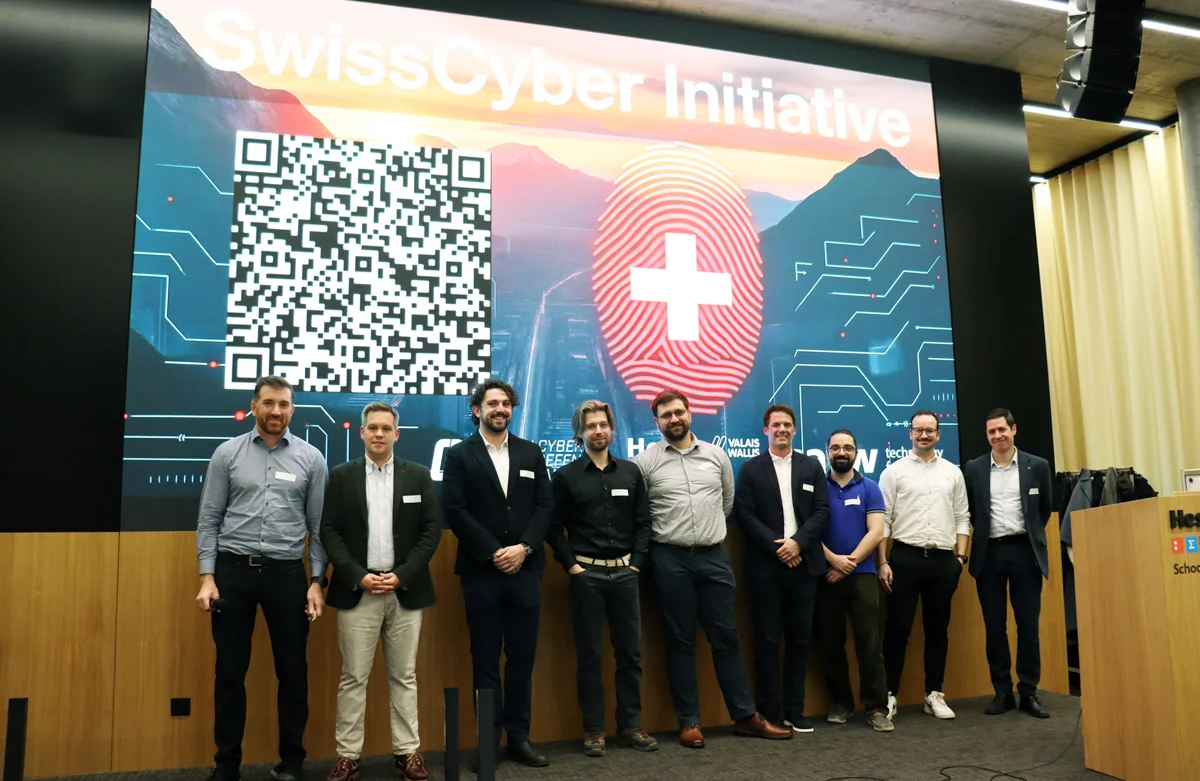
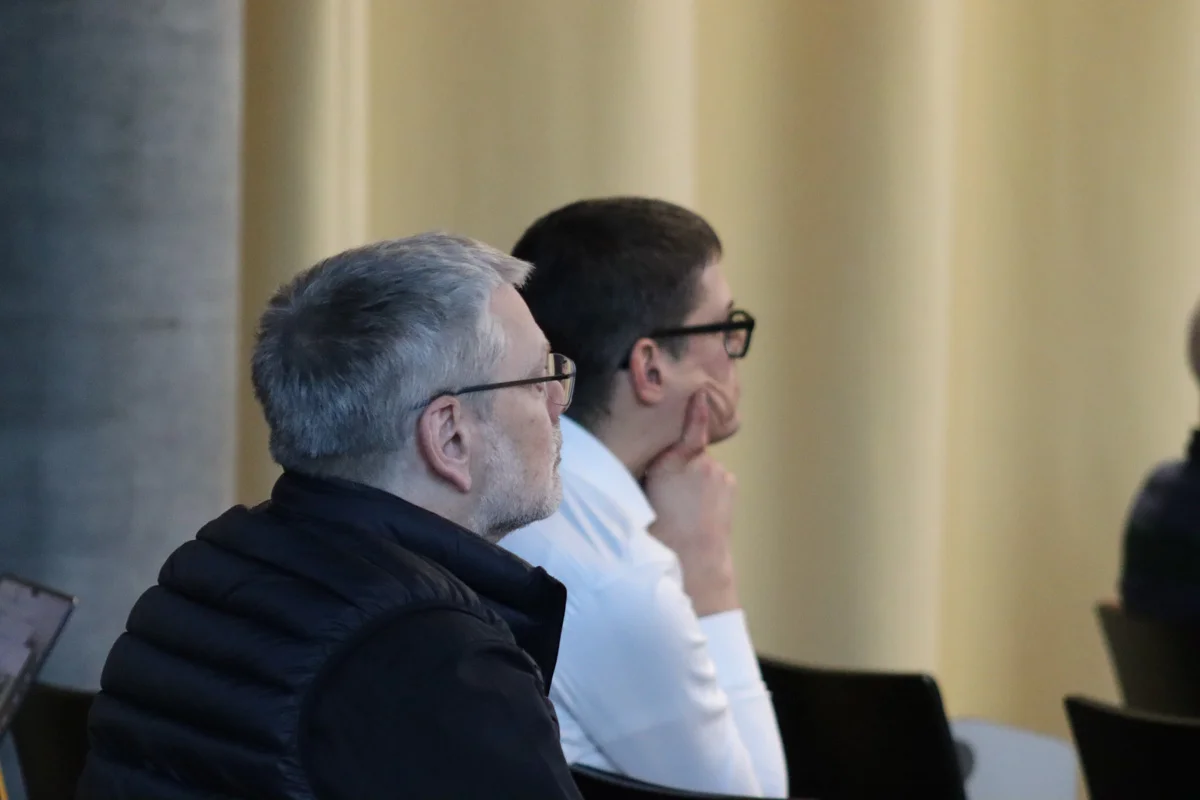
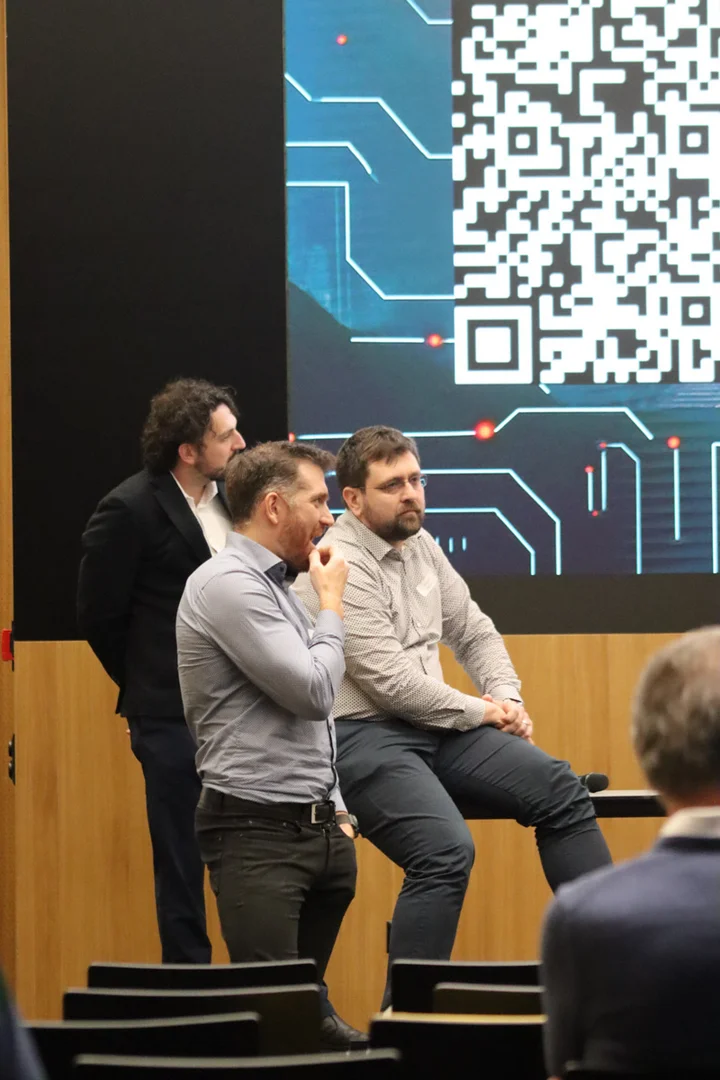
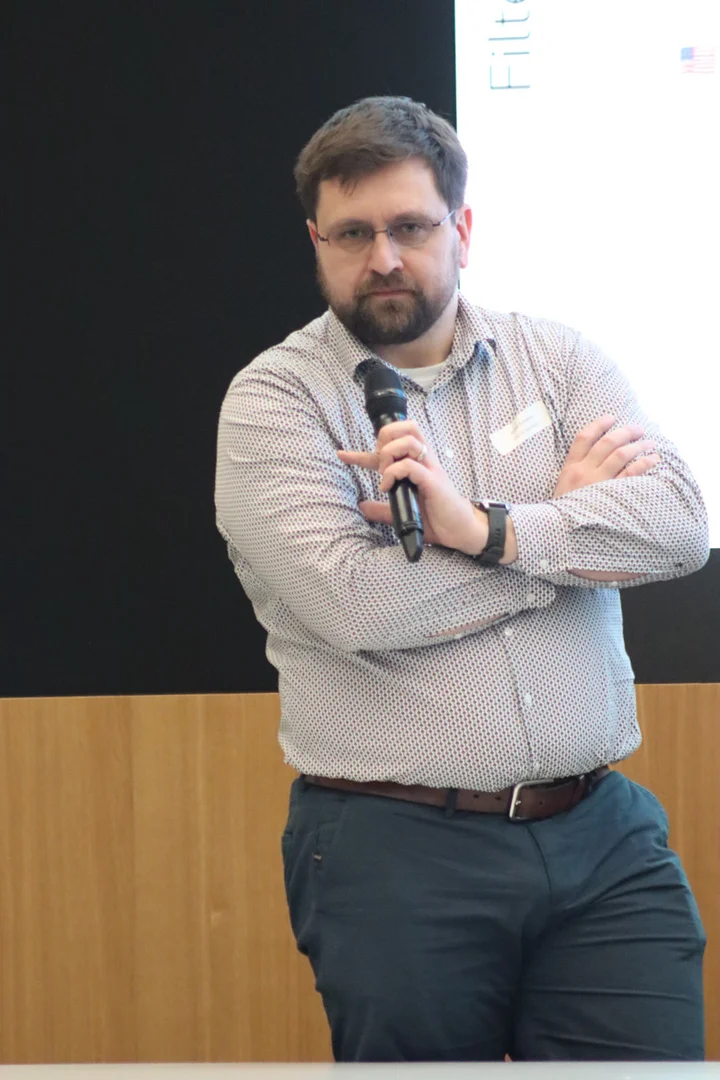
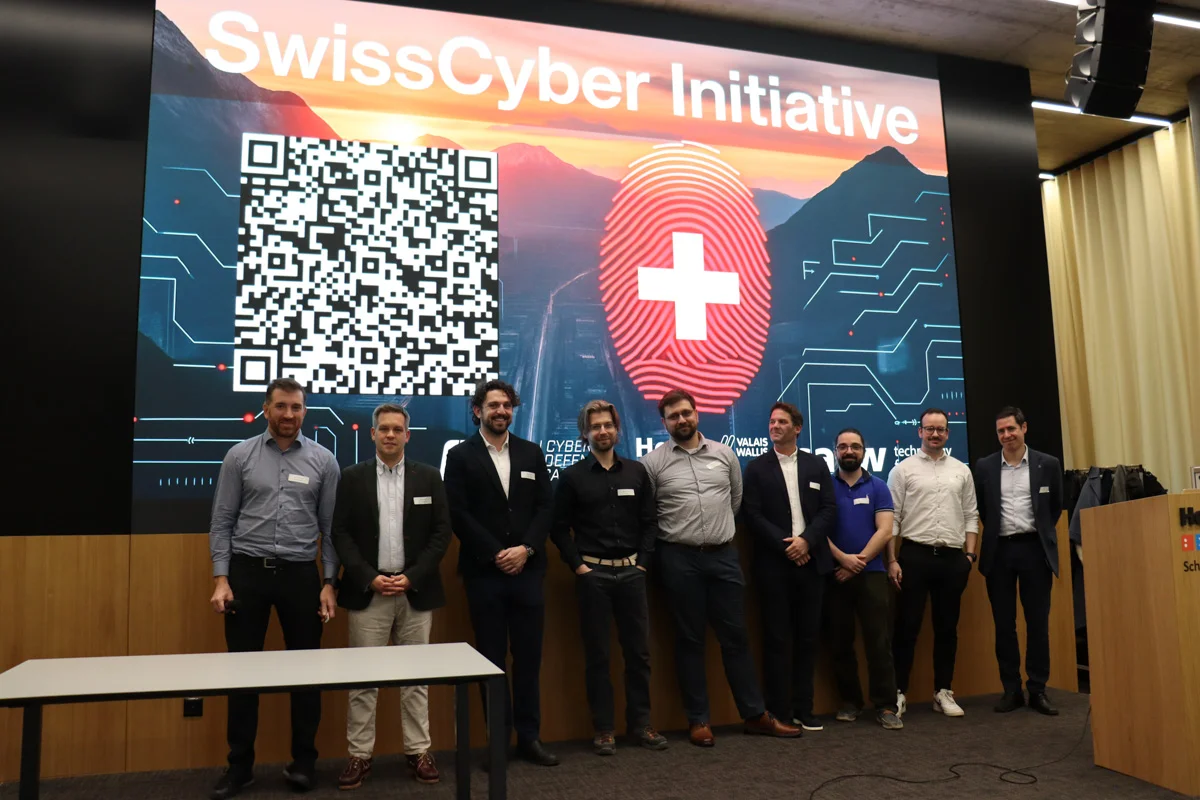
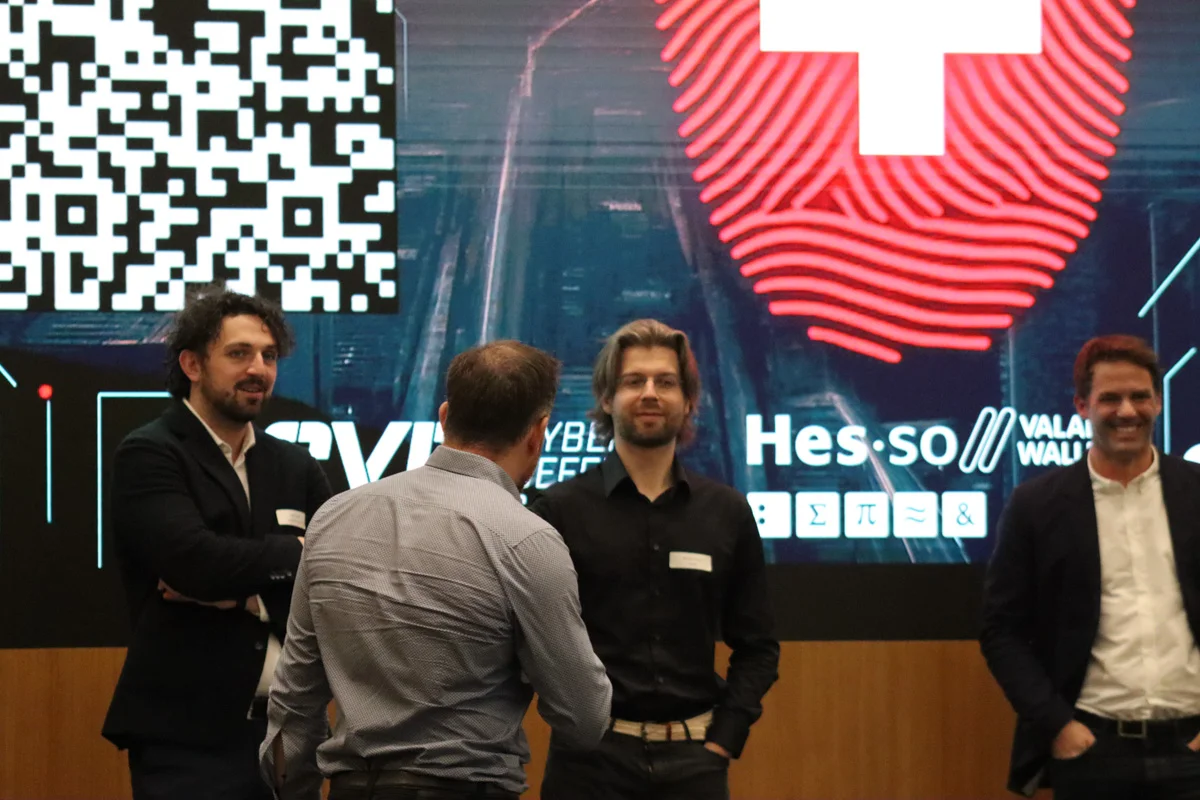
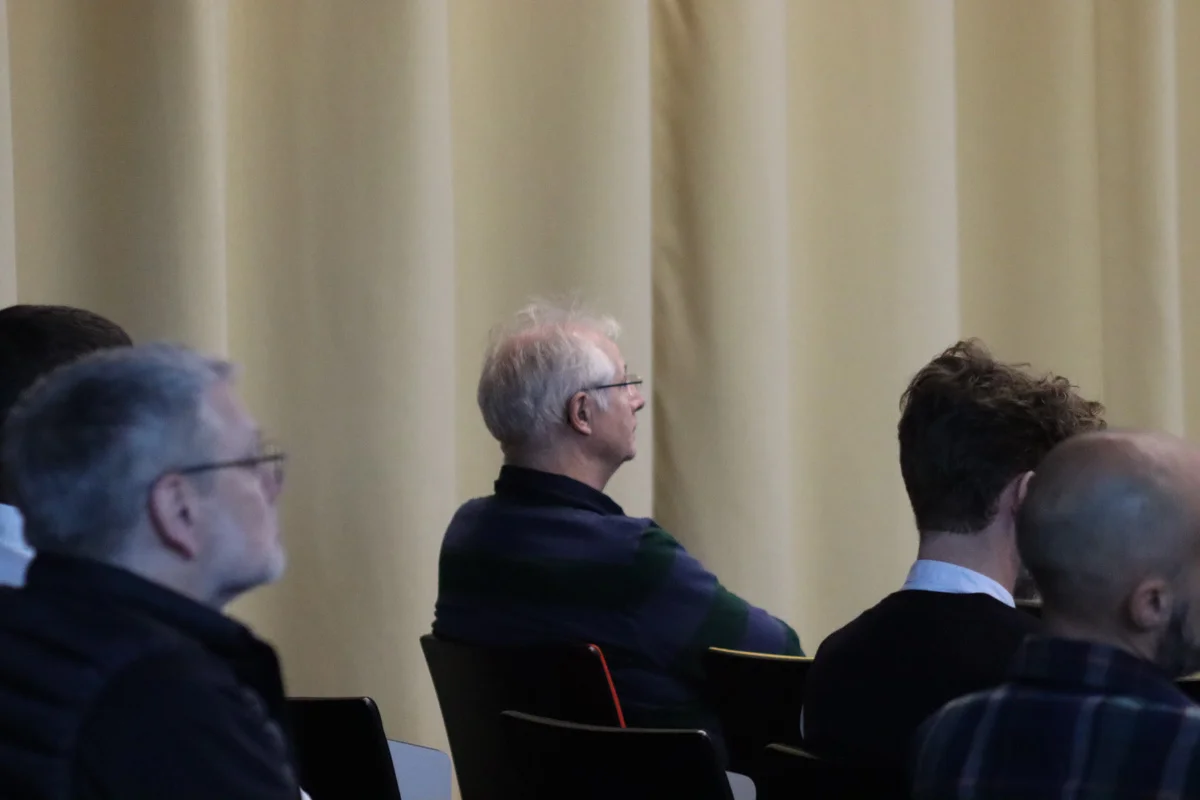
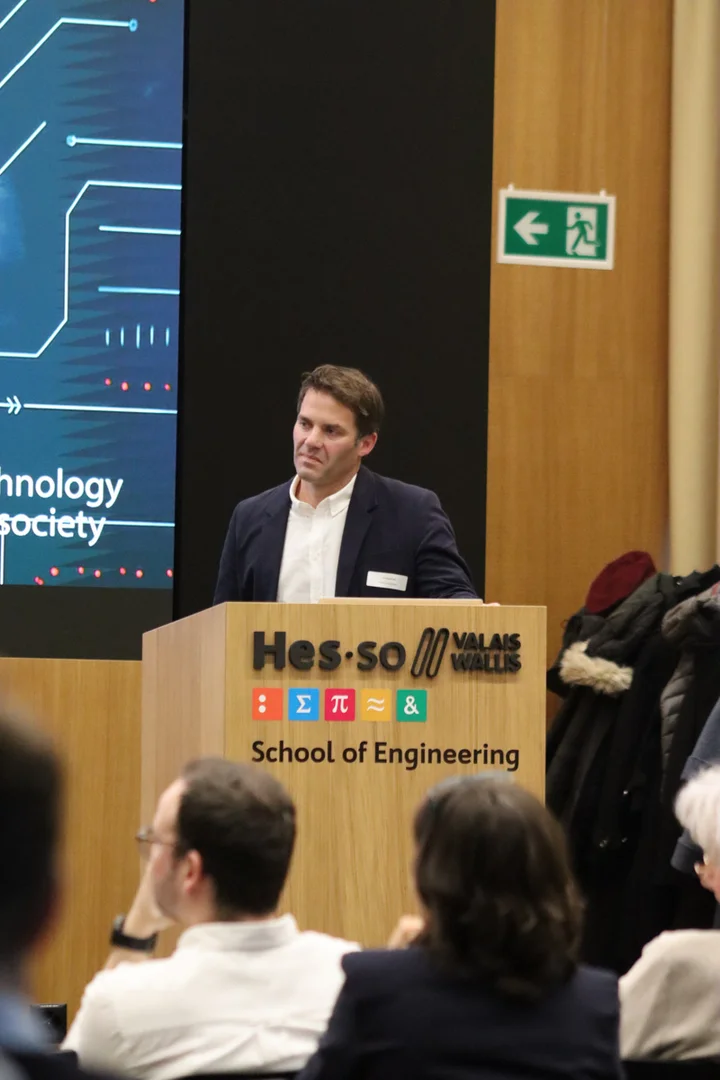
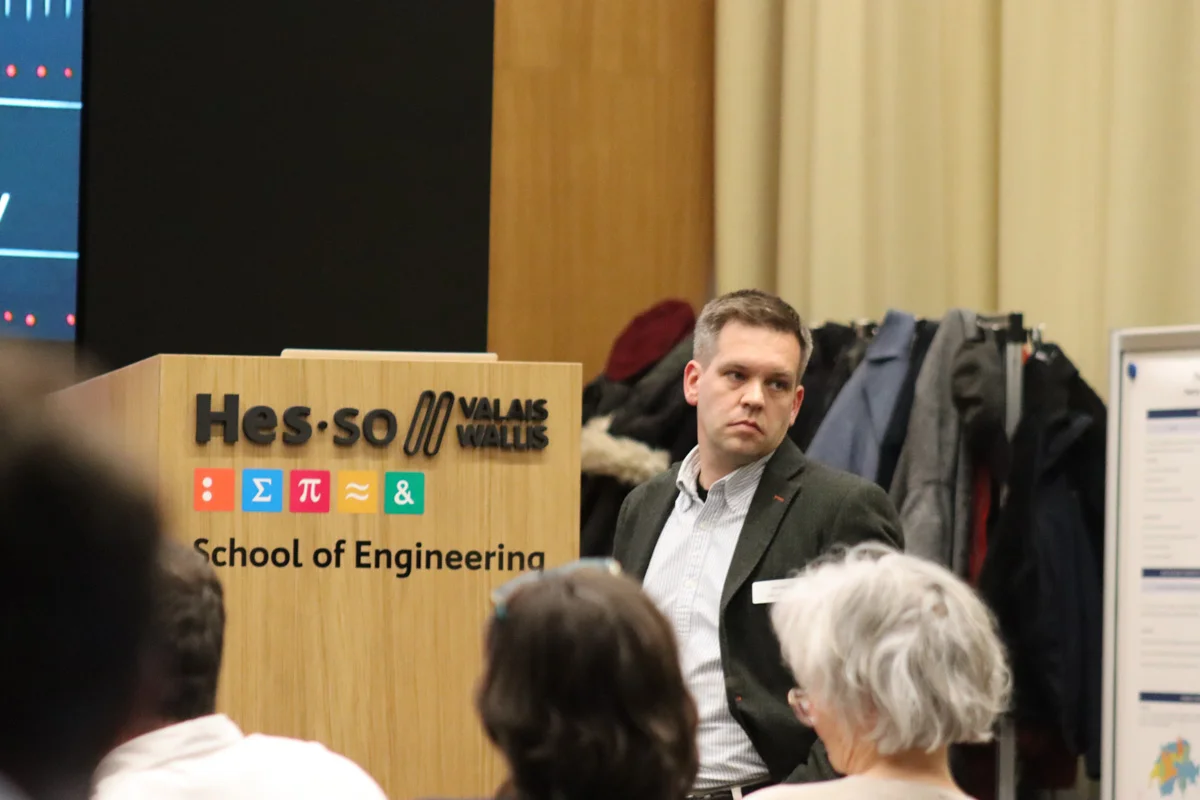
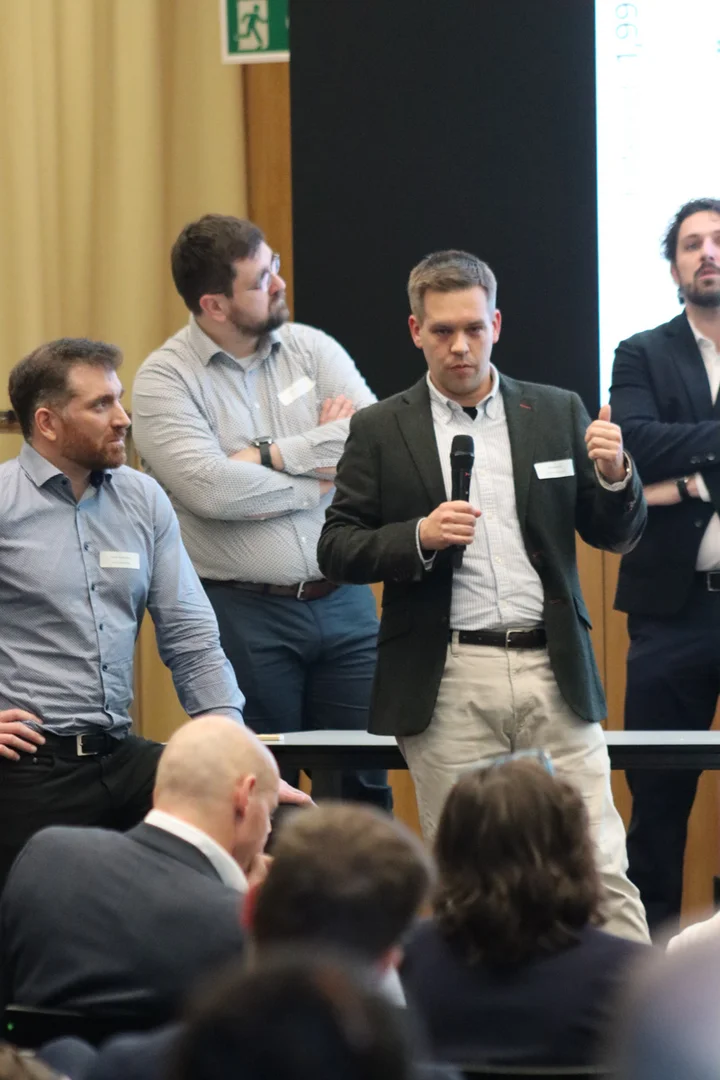
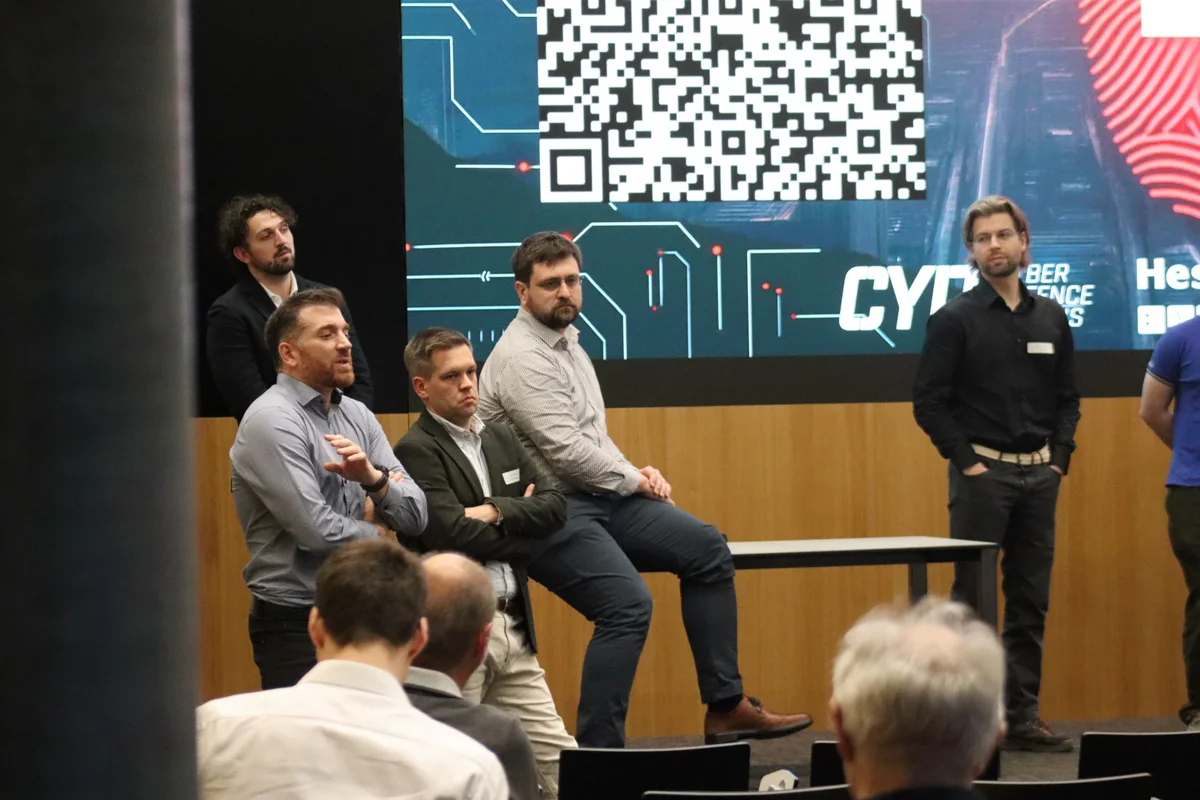
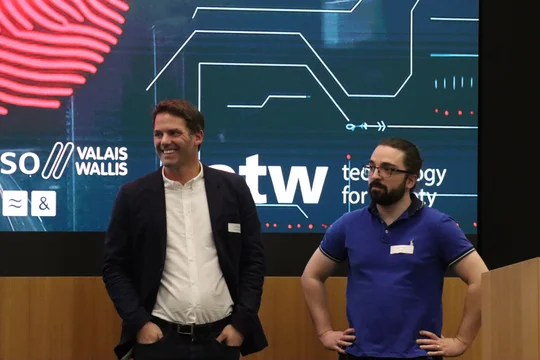
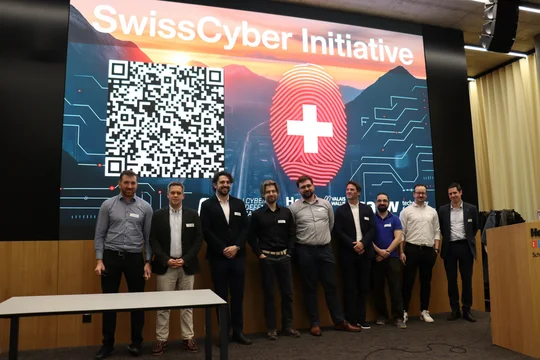
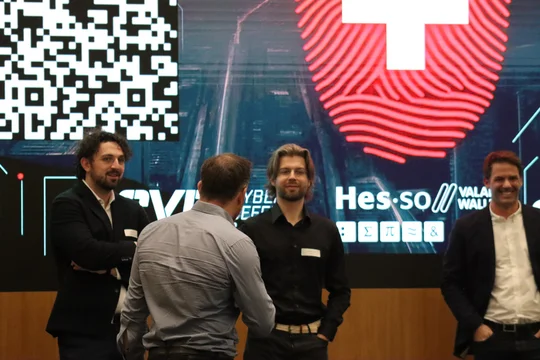
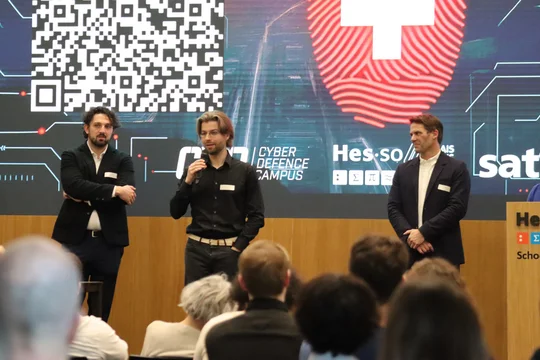
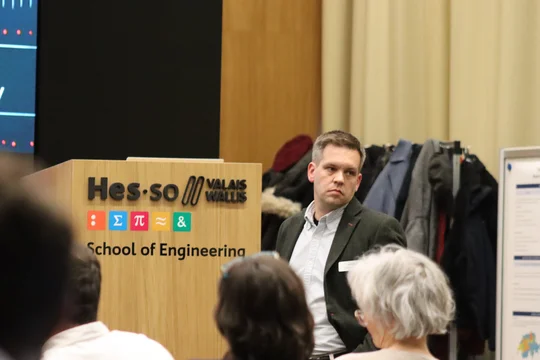
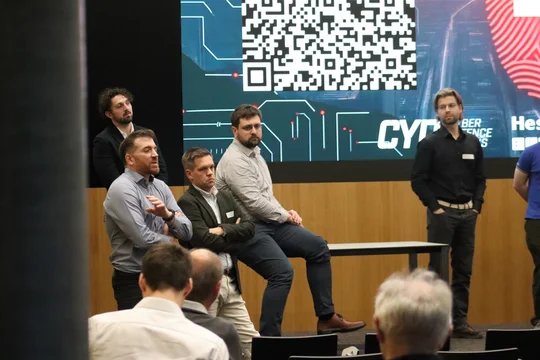
The community event brought together experts from business, administration and research. One thing became clear: Resilient cybersecurity can only be achieved through close collaboration between academic research, industrial practice and government actors.
Initial survey results indicate differences between existing competences and actual needs, as well as a low level of awareness of central cybersecurity frameworks. These findings will be incorporated into the further expansion of the initiative.
The SwissCyber Initiative aims to systematically record and analyse the Swiss cybersecurity landscape. The focus is on competences, dependencies and potential across research, development and application. The basis for this includes a broad-based survey, the evaluation of structured data and the development of an interactive platform that brings together findings from research and practice.
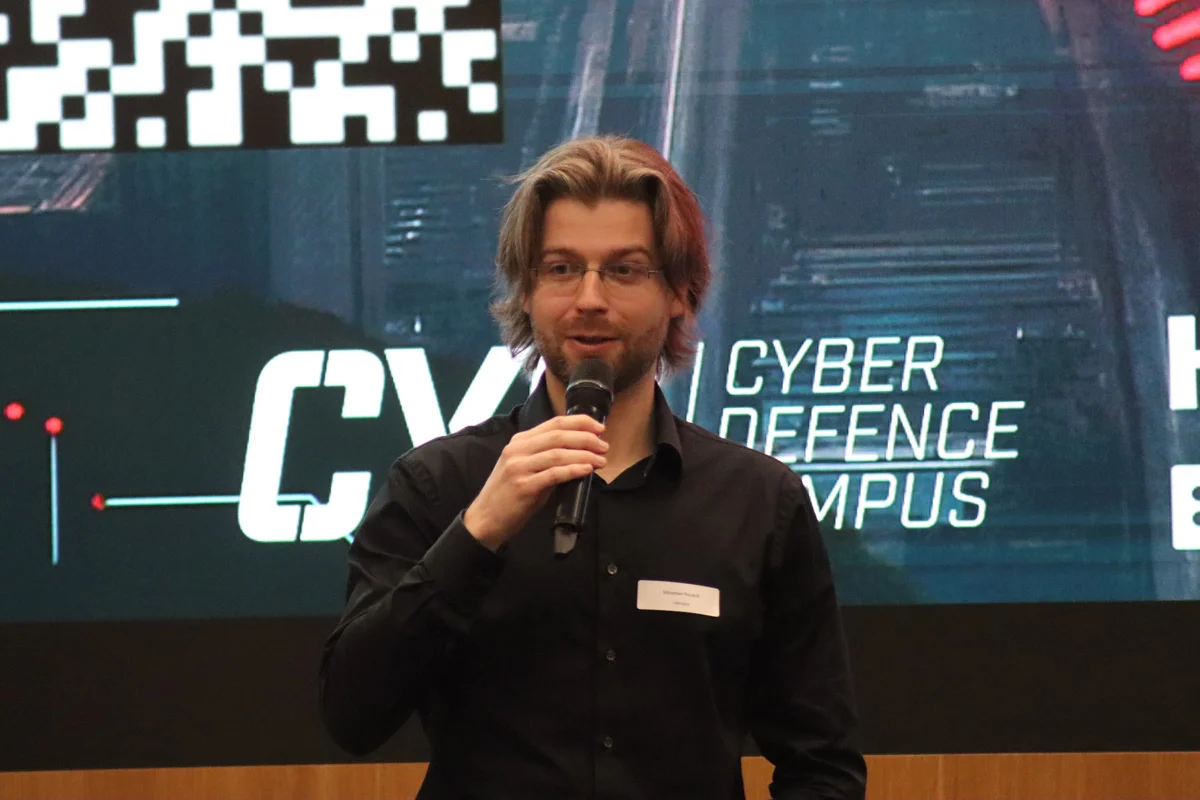
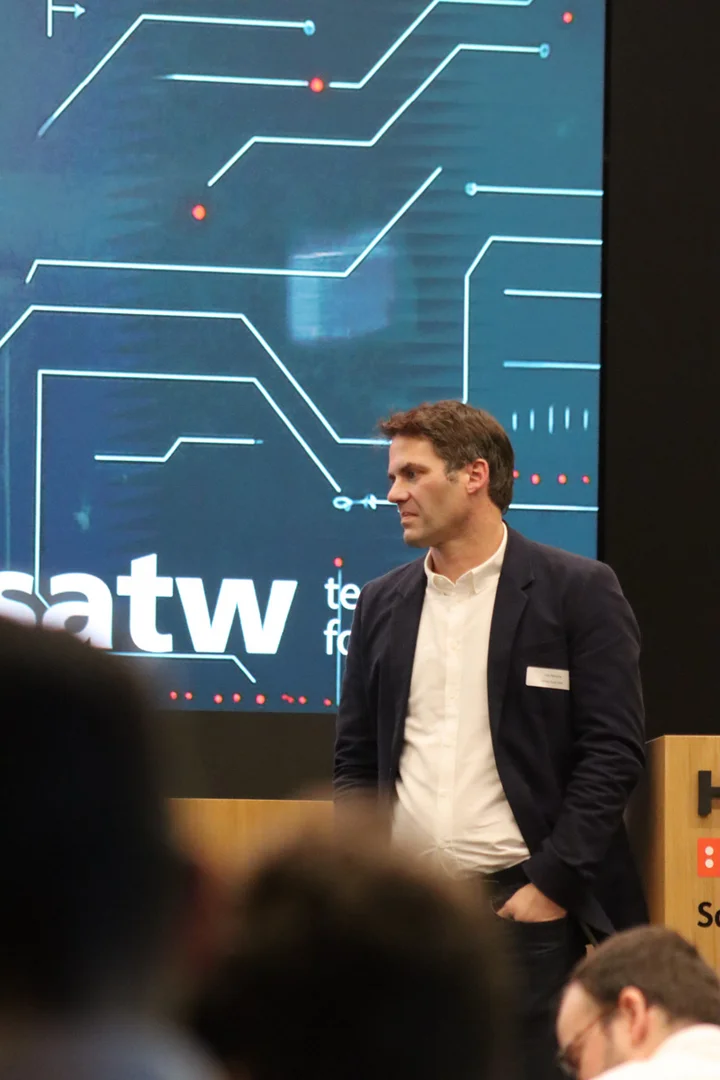
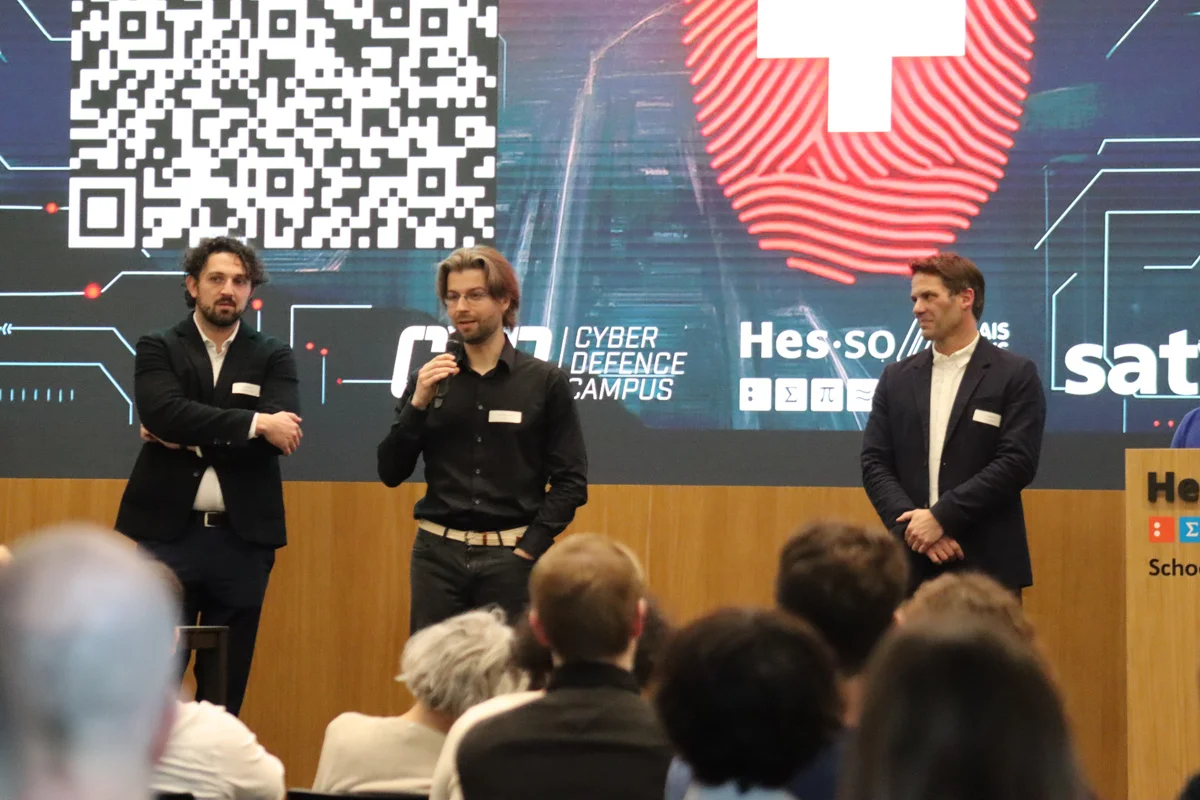
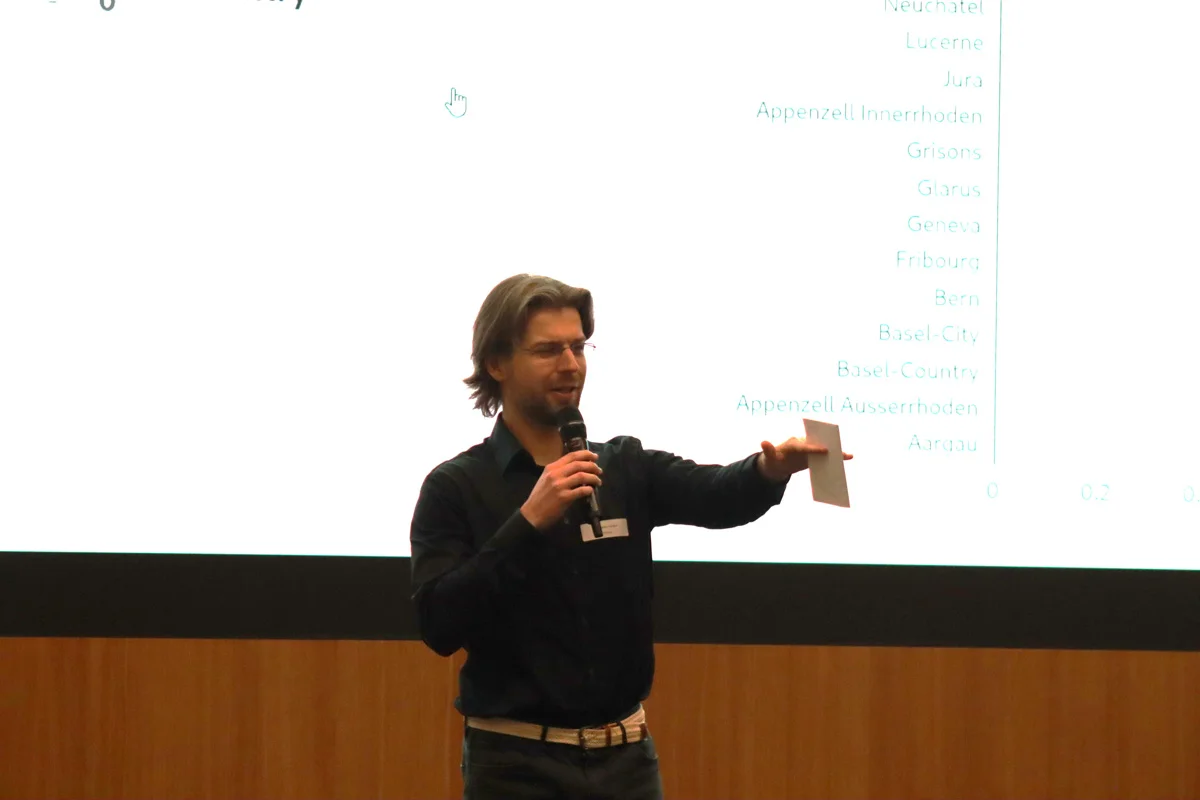
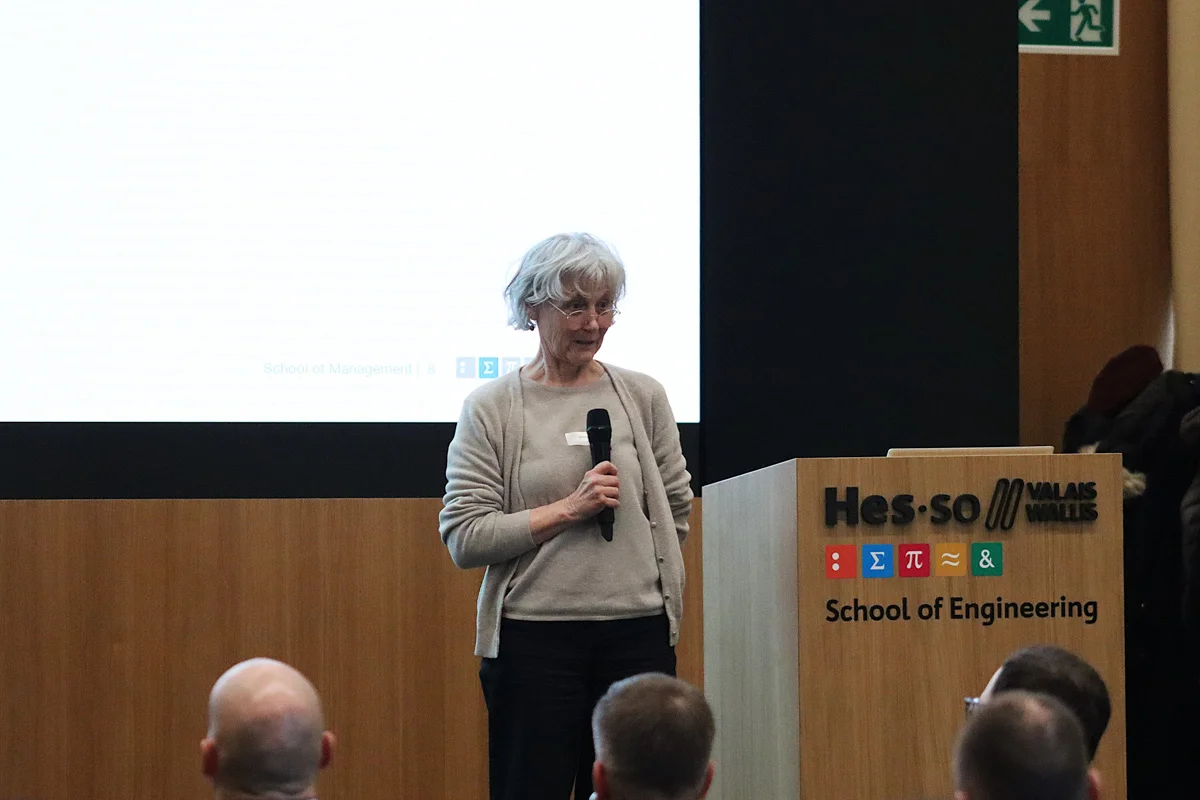
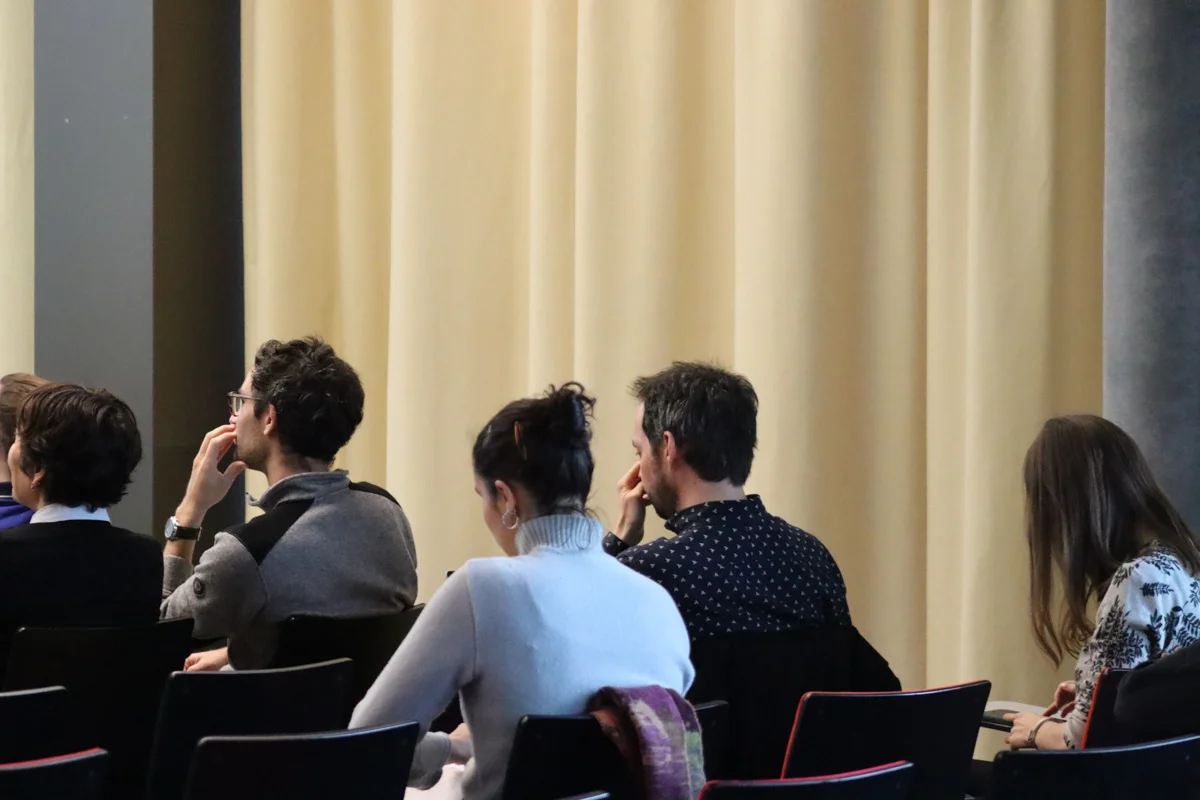
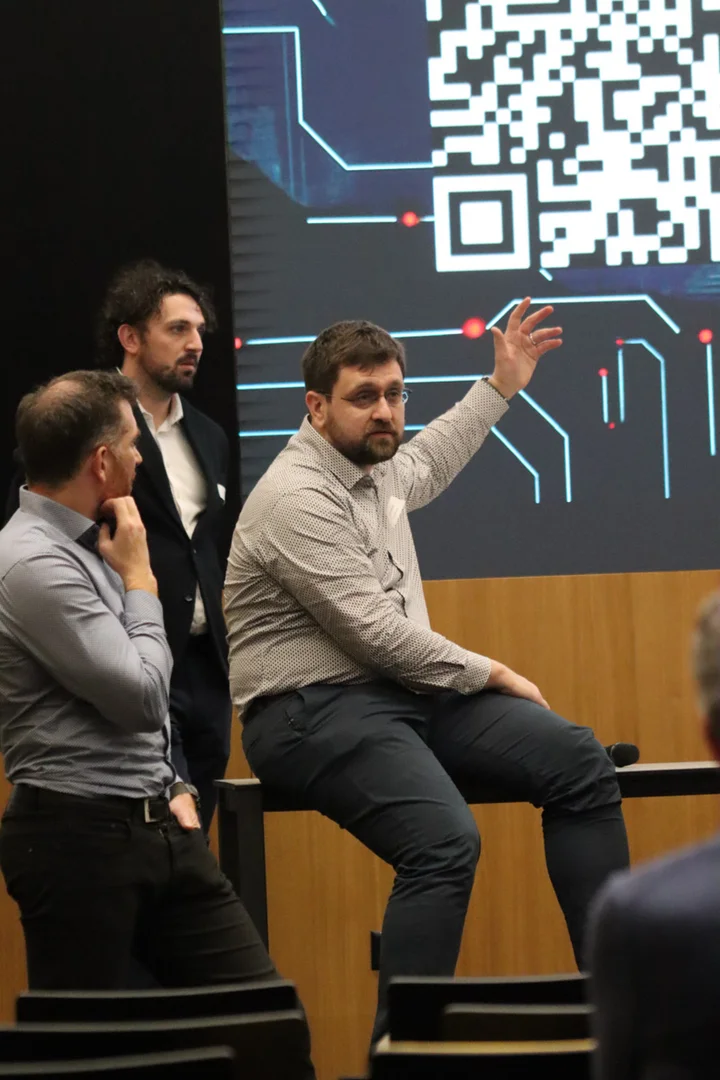
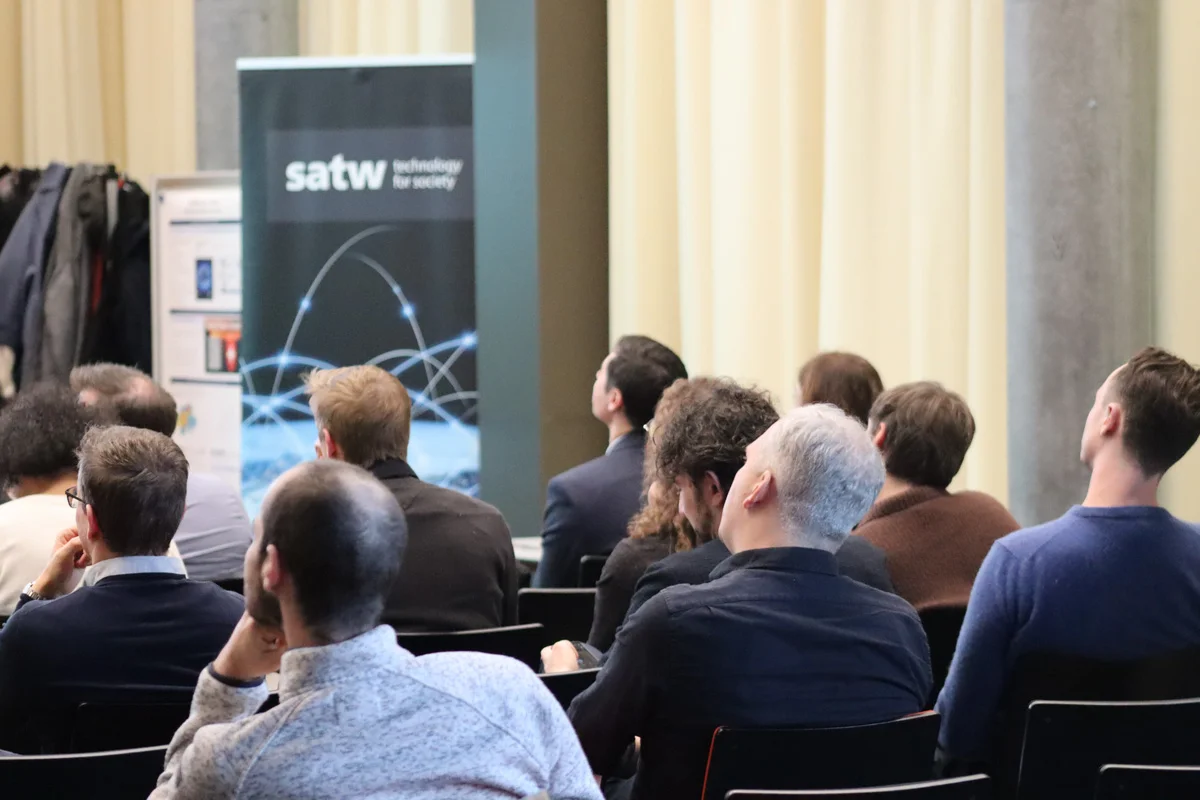
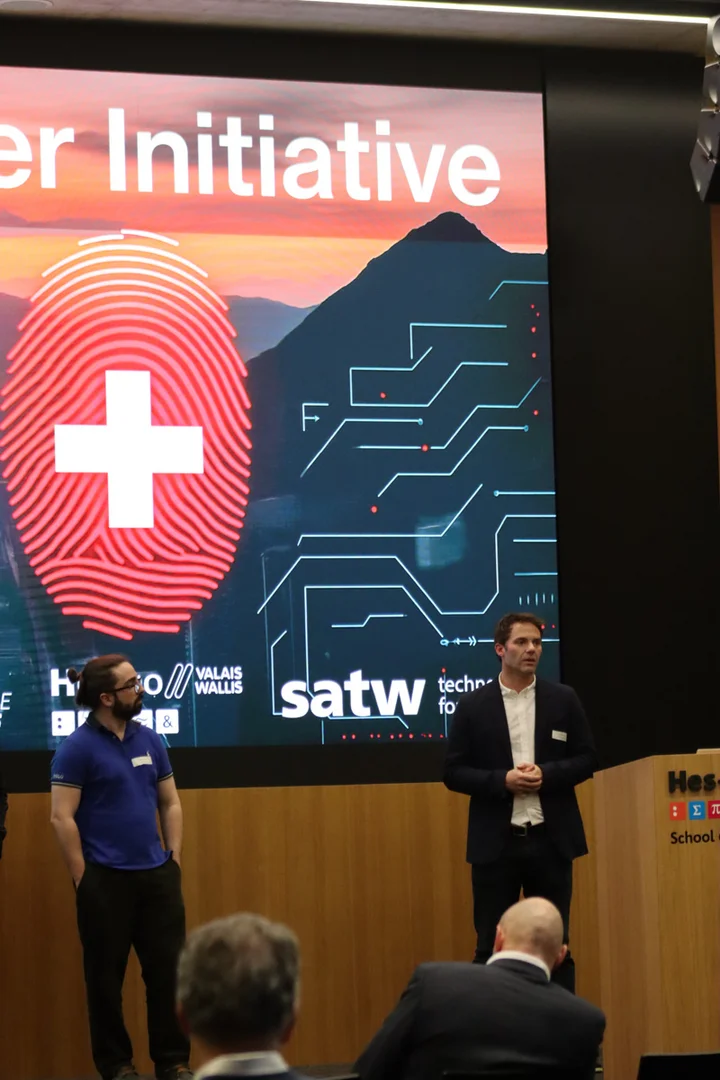
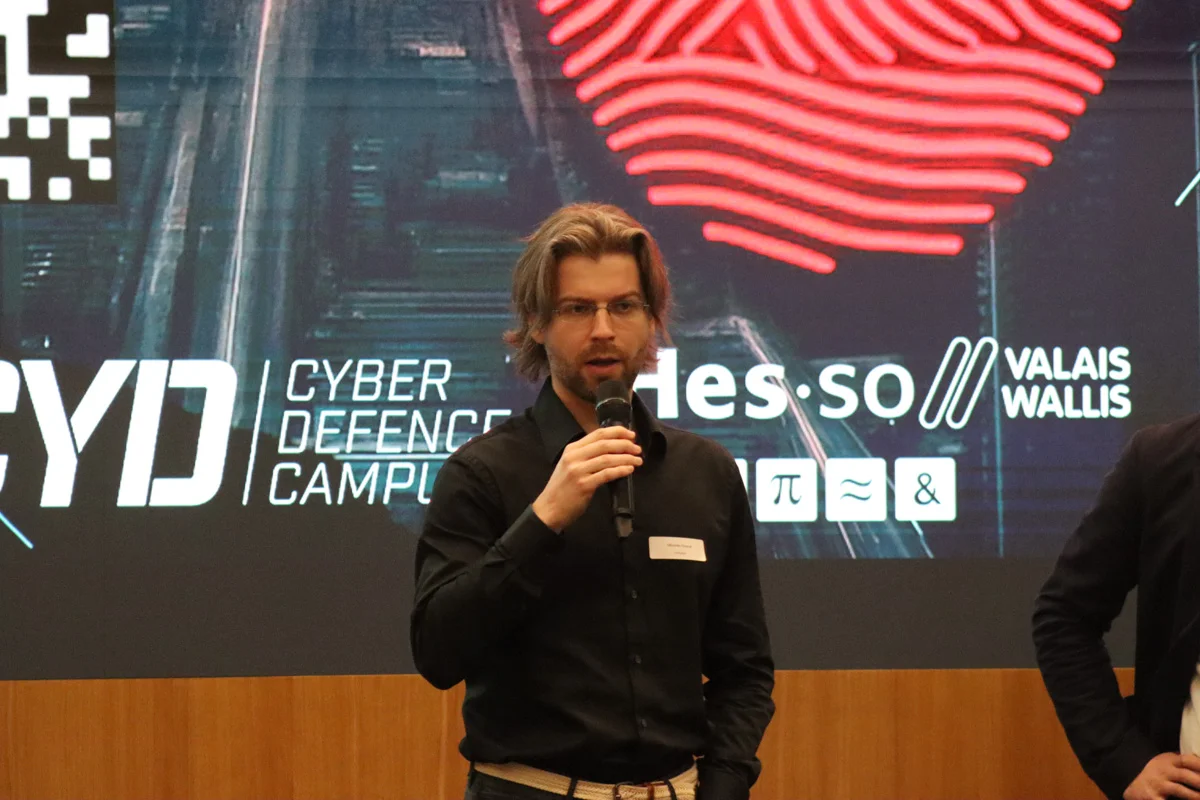
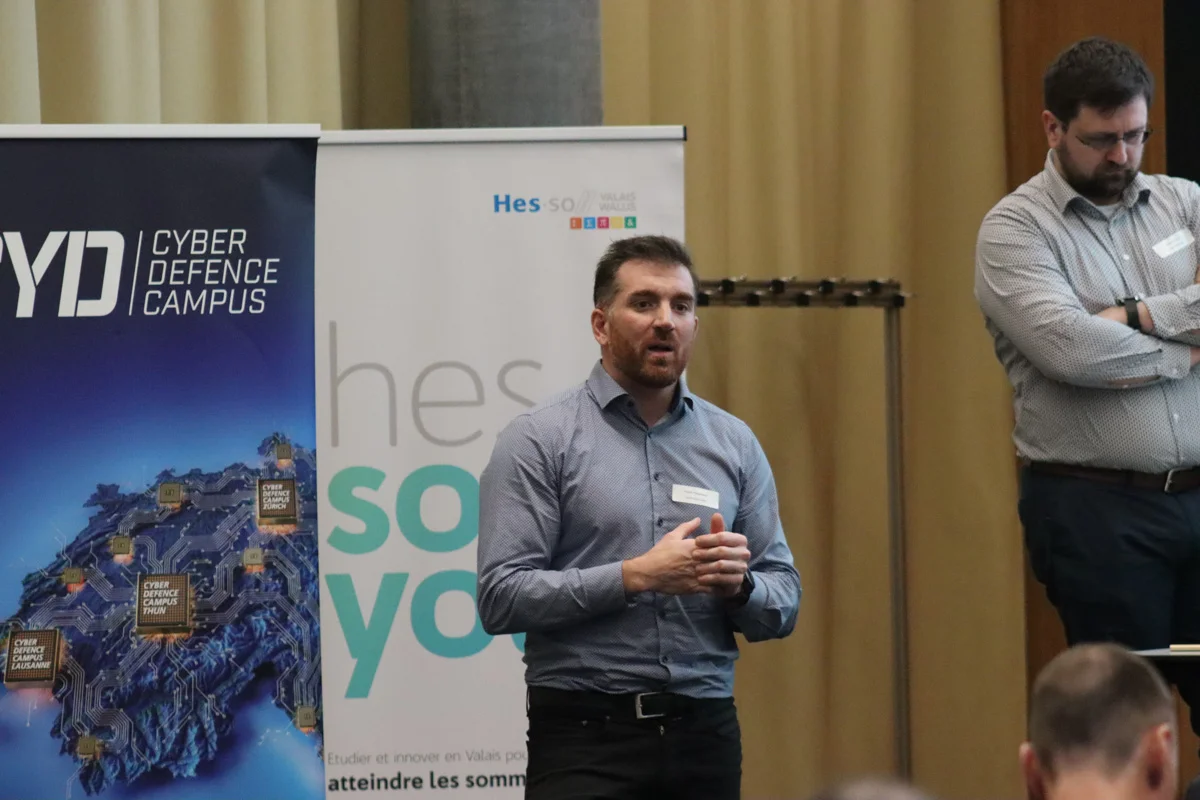
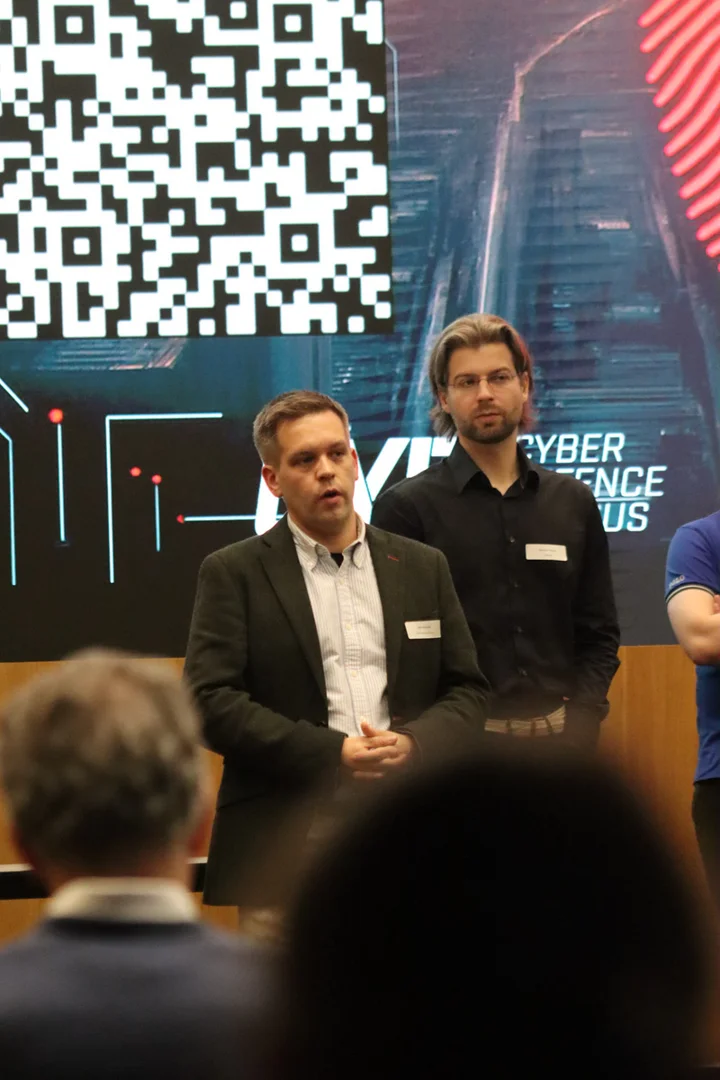
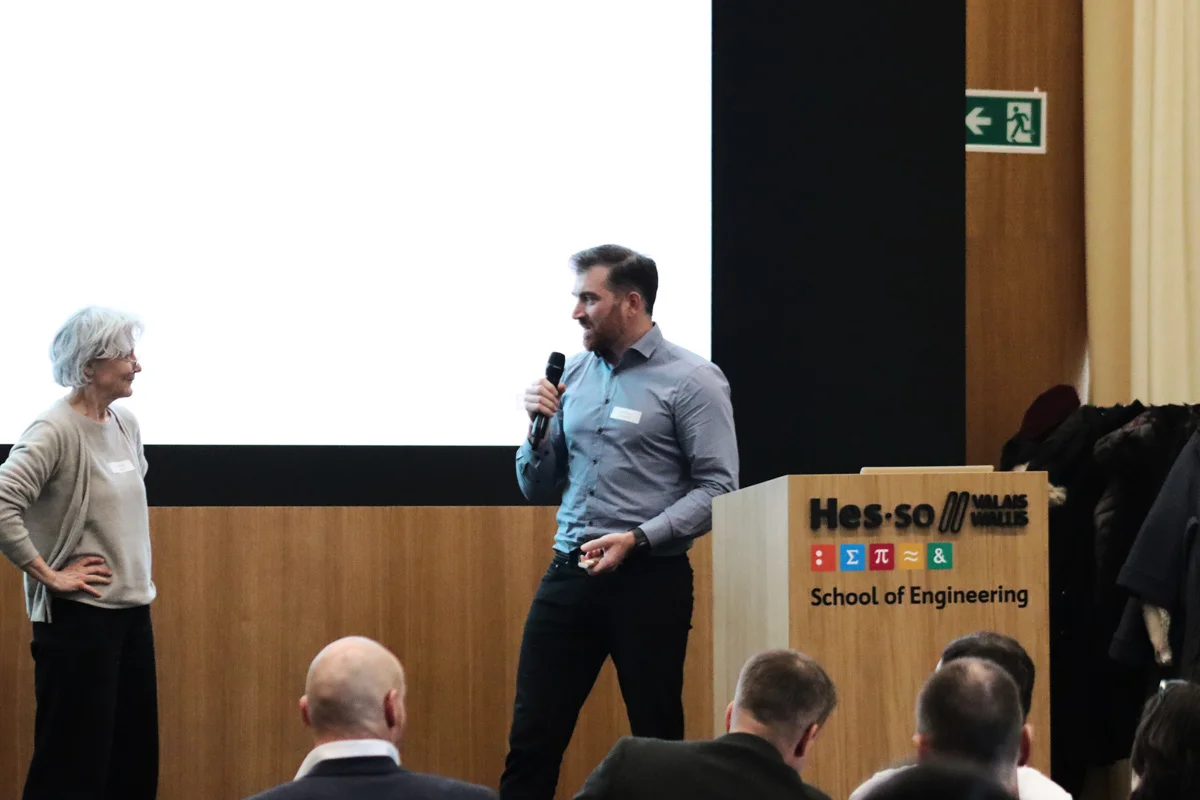
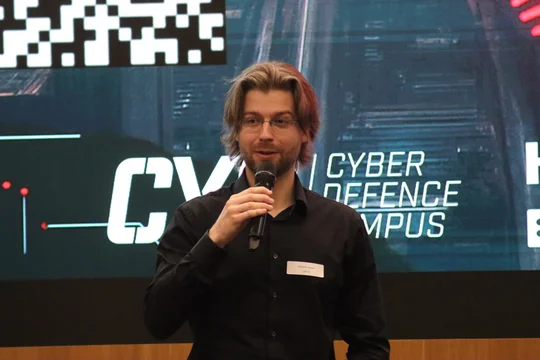
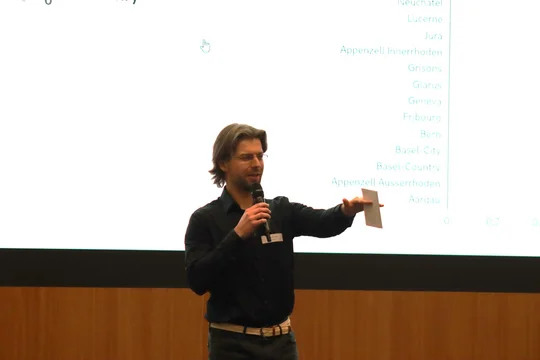
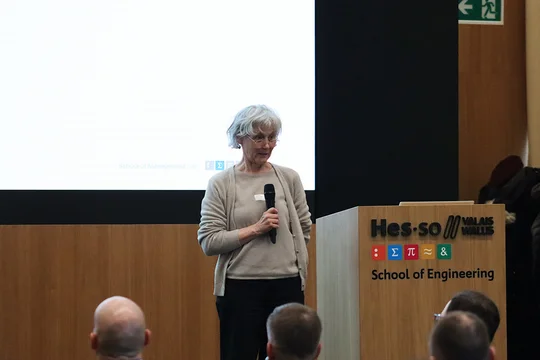
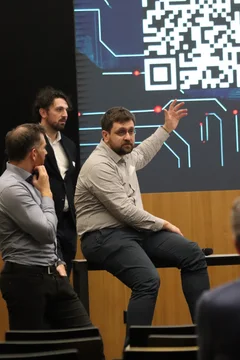
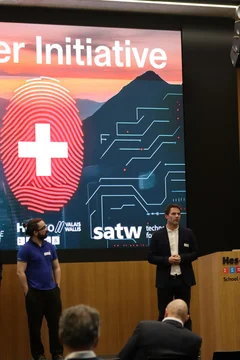
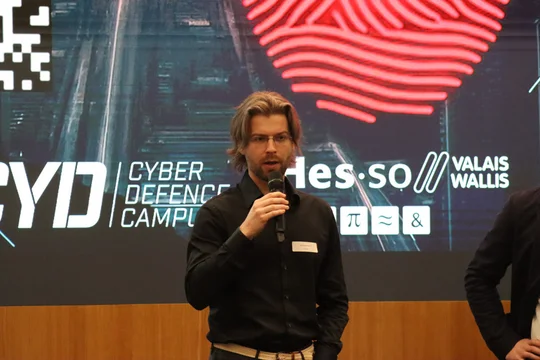
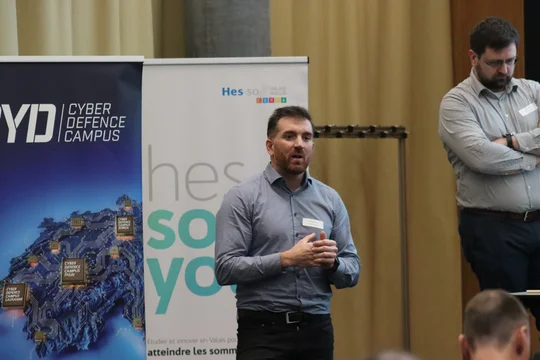
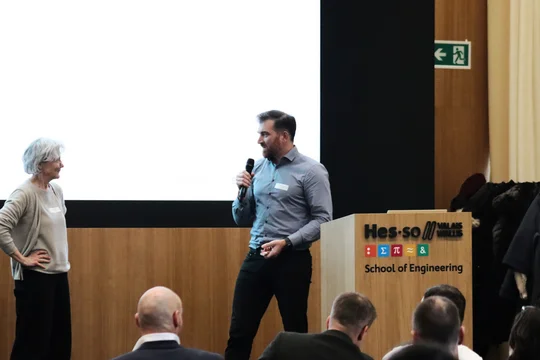
The initiative's first community event provided an overview of the current status of the initiative, initial results from the ongoing survey and a demonstration of the research and innovation platform that has been developed. The event emphasised the importance of reliable data as a basis for well-founded decisions in business, administration and research.
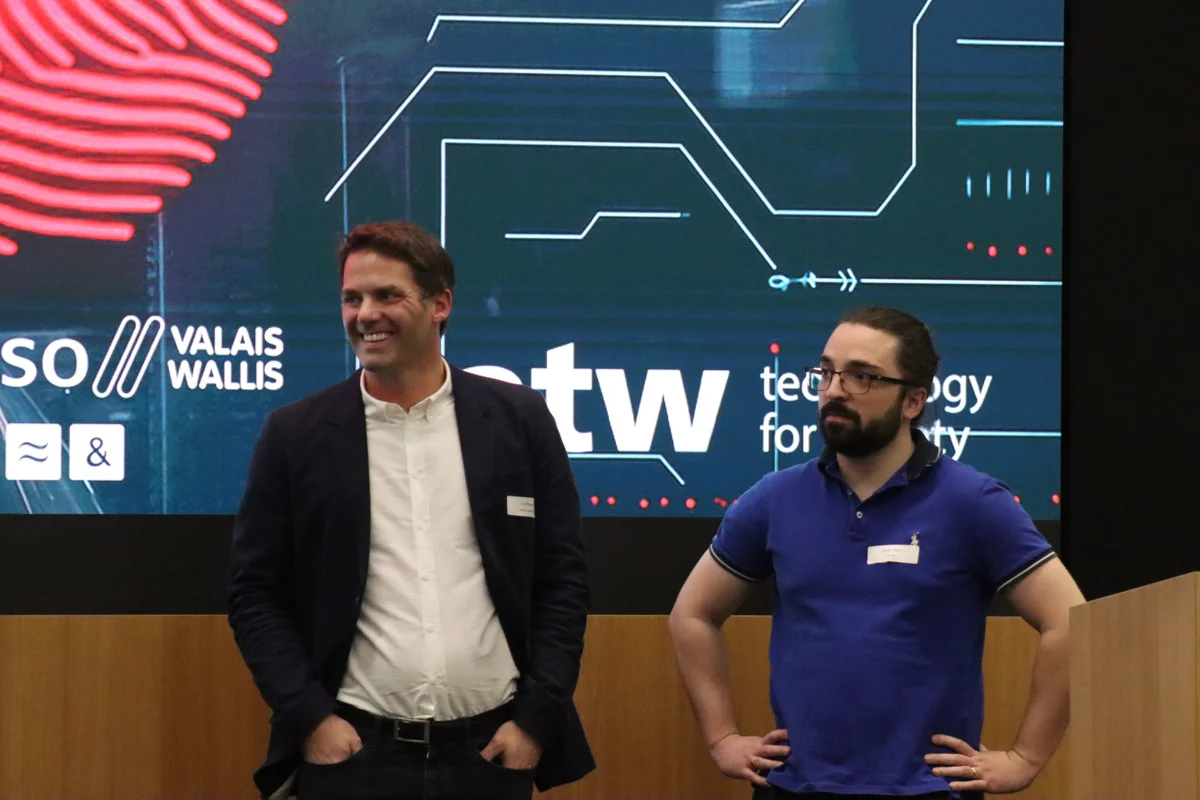
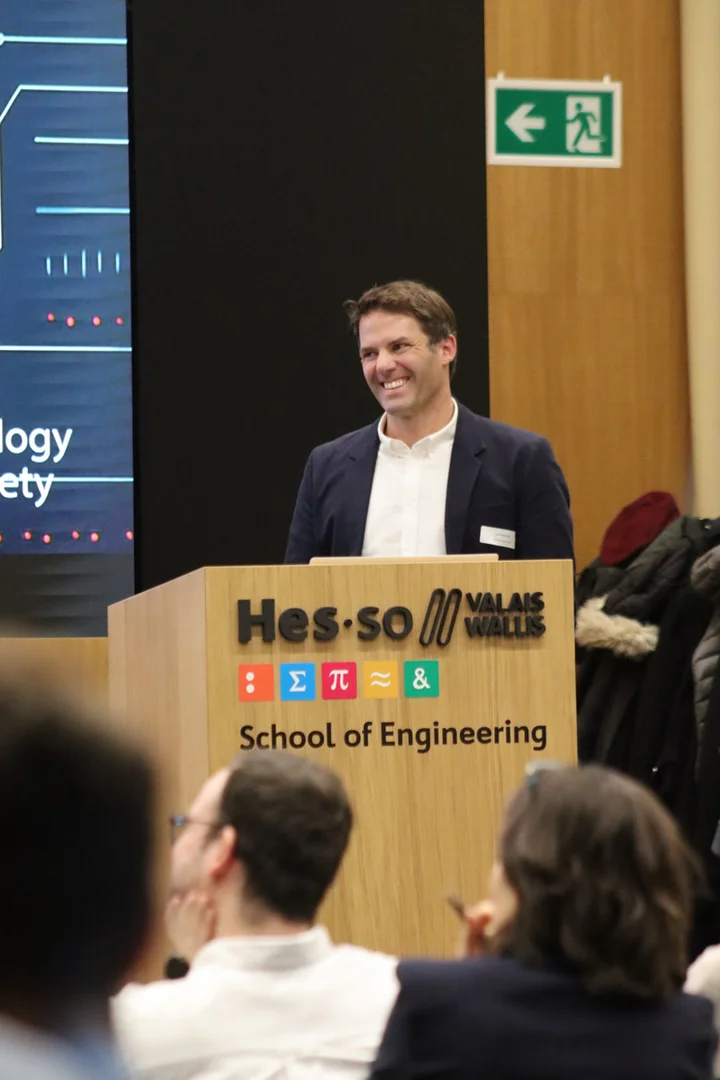
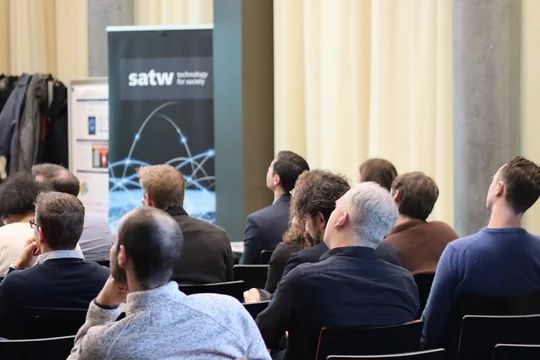
The community event brought together experts from the cybersecurity sector, public administration and researchers from Switzerland. In the welcoming remarks, it was emphasised that resilient cybersecurity cannot be developed in isolation, but requires close cooperation between academic research, industrial practice and state actors.
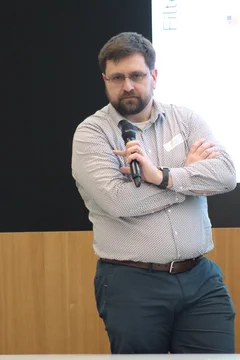
A central point of the programme was the presentation of initial survey results. These show, among other things, differences between existing skills and actual needs in organisations as well as a low level of awareness of central national and international cybersecurity frameworks. The subsequent discussion emphasised the need for better networking and a common understanding across sector boundaries.
The SwissCyber Initiative is being implemented by the SATW with the HES-SO Valais-Wallis in the lead and the CYD Campus as a partner. The initiative is based on several years of technology and market observation and is being continuously developed.
Plans include the development of a platform, a final report with implementation-oriented findings and a second community event at the end of 2026. The first event showed that there is great interest in a fact-based and coordinated view of Swiss cybersecurity and that the need for exchange between research, companies and administration continues to grow.
The SATW Cybersecurity Map supports parliamentarians in categorising key technological developments in the field of cybersecurity. It shows which topics require political decision-making, where there is a need for regulatory action and in which areas targeted investments are necessary.
As a practical orientation tool, the Cybersecurity Map creates a structured decision-making basis for political consultation, prioritisation and strategic management. The selection of topics is based on the assessment of the Advisory Board Cybersecurity SATW. The map addresses the most politically relevant fields of action for a secure digital future in Switzerland.



























| Role | Title + Name |
|---|---|
| Text by | Manuel Kugler, Claude Naville |