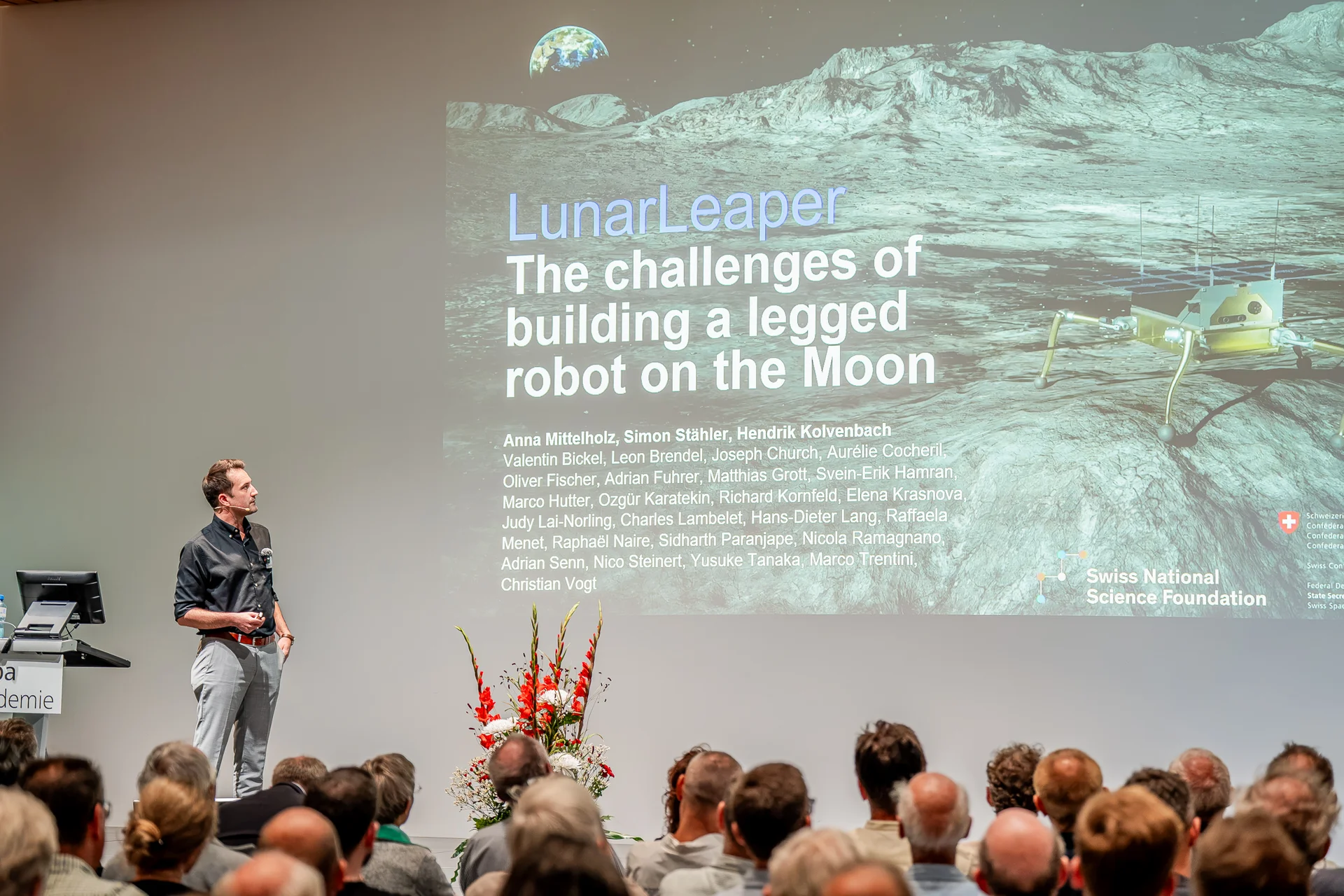
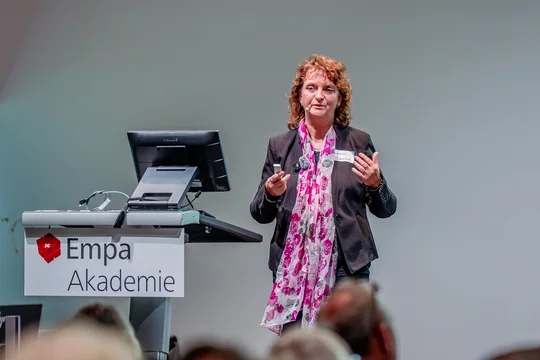
Switzerland is a spacefaring nation, even if this is not particularly evident in everyday life. As a founding member of the European Space Agency (ESA), it has helped shape European space exploration since its very beginnings. Swiss companies develop key components for launch vehicles, satellites and scientific instruments. At the 2026 Technology Days, experts from research, industry and government discussed how the sector is changing and what prospects this holds for Switzerland as a centre of innovation.
Satellite navigation, telecommunications, weather forecasting and Earth observation have long been integral parts of our lives. The technologies behind them form a vital infrastructure and enable applications across numerous sectors. The ‘Days of Technology 2026’ highlighted that Switzerland has a specialised space industry and internationally networked research institutions.
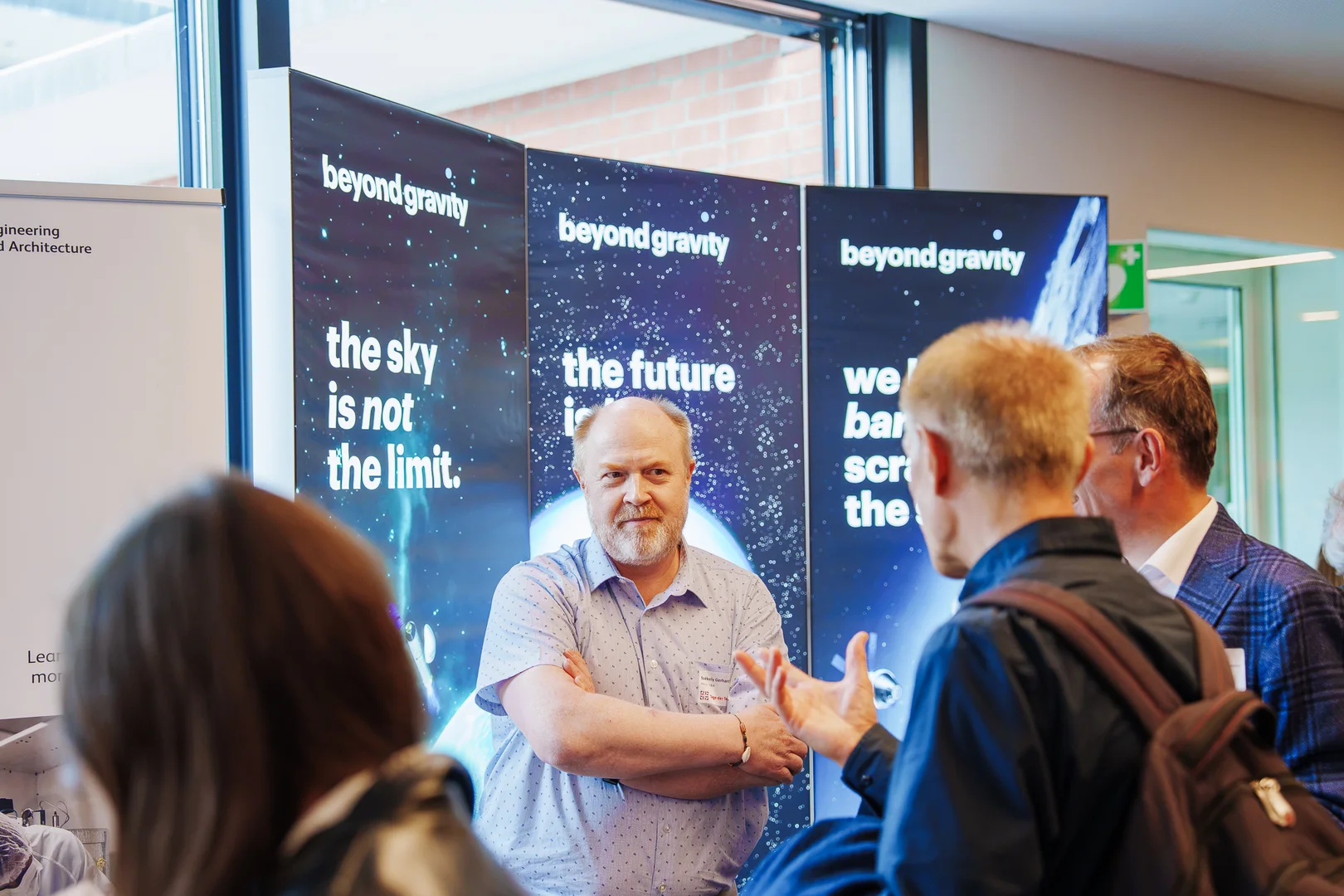
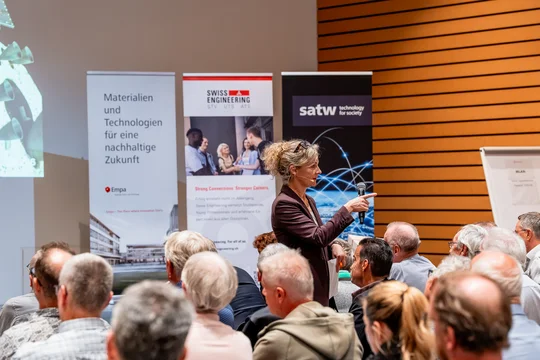
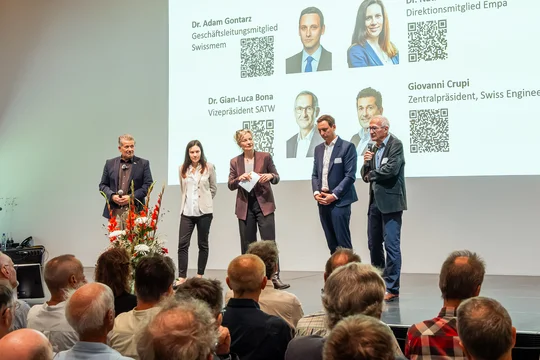
The events on 22 September in Lausanne and on 24 September in Dübendorf highlighted various aspects of this expertise: from Swiss participation in international space missions through to new technologies, materials, precision mechanisms and remote sensing. This highlighted how scientific findings and technological developments are incorporated into practical applications.
During its ‘Space’ theme month, the SATW also addressed and explored these topics in depth. Specialist articles and interviews with experts focused on both current developments and their significance for research, industry and society.
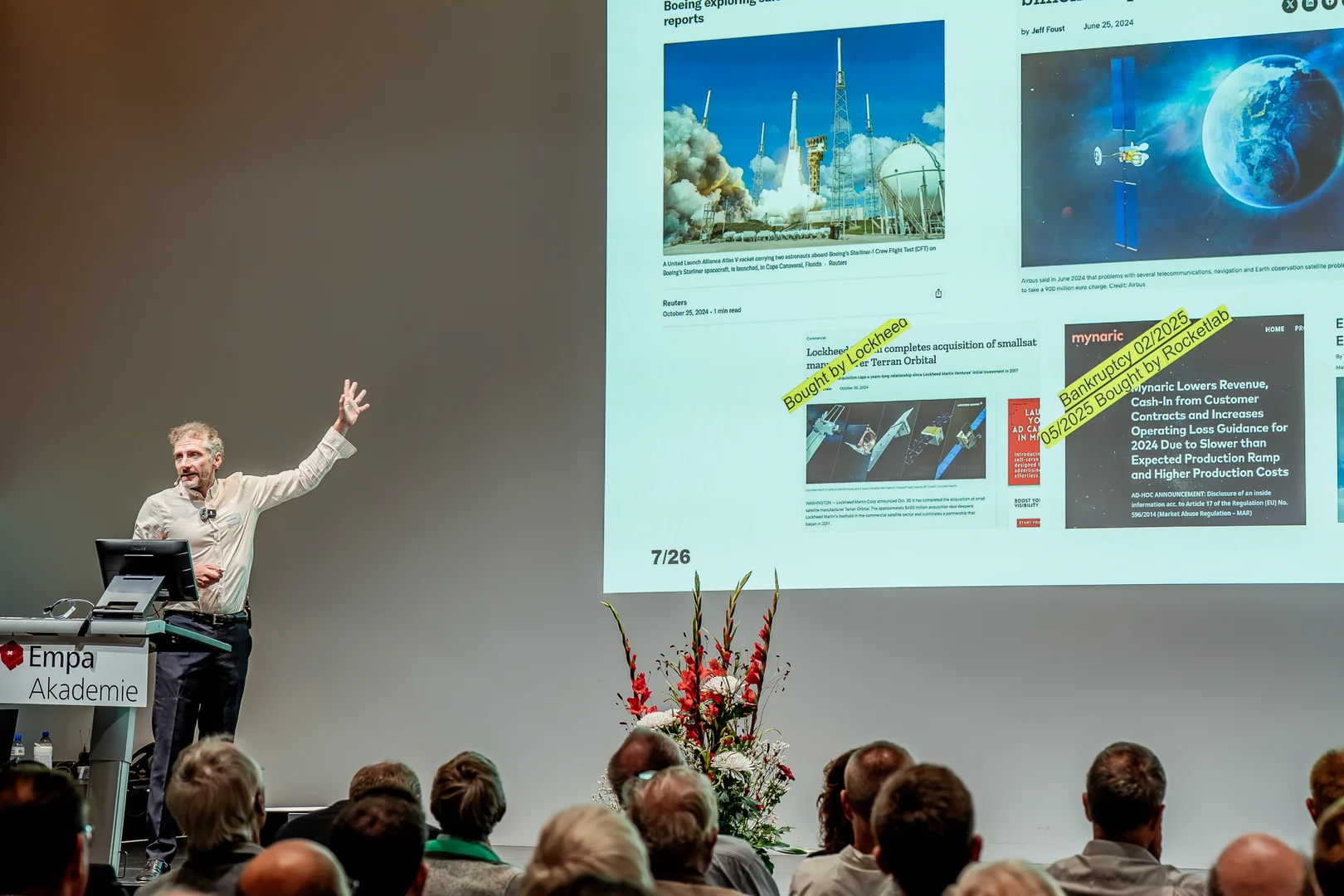
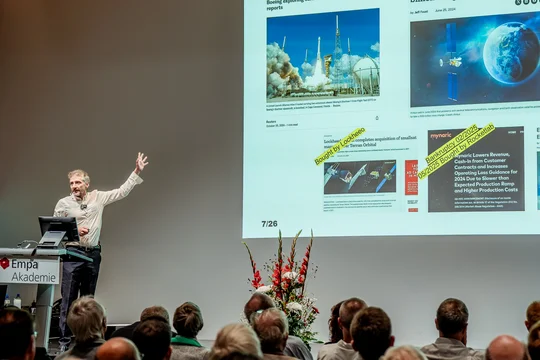
The space sector is undergoing profound change: the global space economy reached a volume of around 626 billion US dollars in 2025 and is expected to grow to approximately one trillion US dollars by 2034. New commercial providers, evolving business models and standardised systems are opening up additional opportunities. As a result, industrial manufacturing, automation and economically viable applications are gaining in importance.
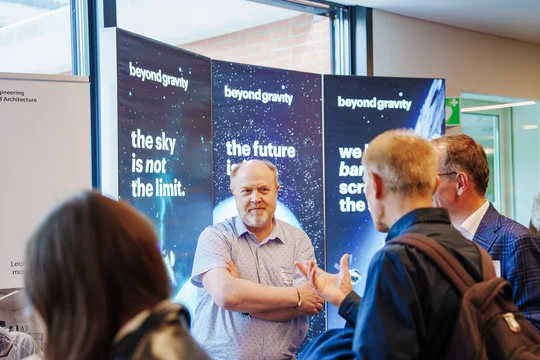
This transformation also presents new challenges for established Swiss companies. There is a demand for technologies that meet high technical standards whilst also being cost-effective to manufacture. At the same time, opportunities are arising for new companies developing innovative applications and business models. It is crucial to combine the strengths of established companies with new ideas and approaches. The speakers at the 2026 Technology Days were in agreement on this point: Old and New Space complement one another. Start-ups bring dynamism, but benefit from the experience of the established industry and from the access to missions and markets that ESA membership provides.
A recent success also demonstrates just how internationally connected the Swiss space sector is: the International Astronautical Federation has selected Geneva as the venue for the International Astronautical Congress (IAC) 2029. From 8 to 12 October 2029, thousands of experts from the space industry, research, politics and space agencies will gather there. The joint Swiss bid was led by Swissmem, the Swiss Space Industries Group and the Swiss Space Office, and supported by numerous partners.
Winning the bid offers Switzerland the opportunity to showcase its technological expertise to an international audience and to initiate new collaborations. It also highlights how important the interaction between research, industry and international partners is for Switzerland as a space hub.
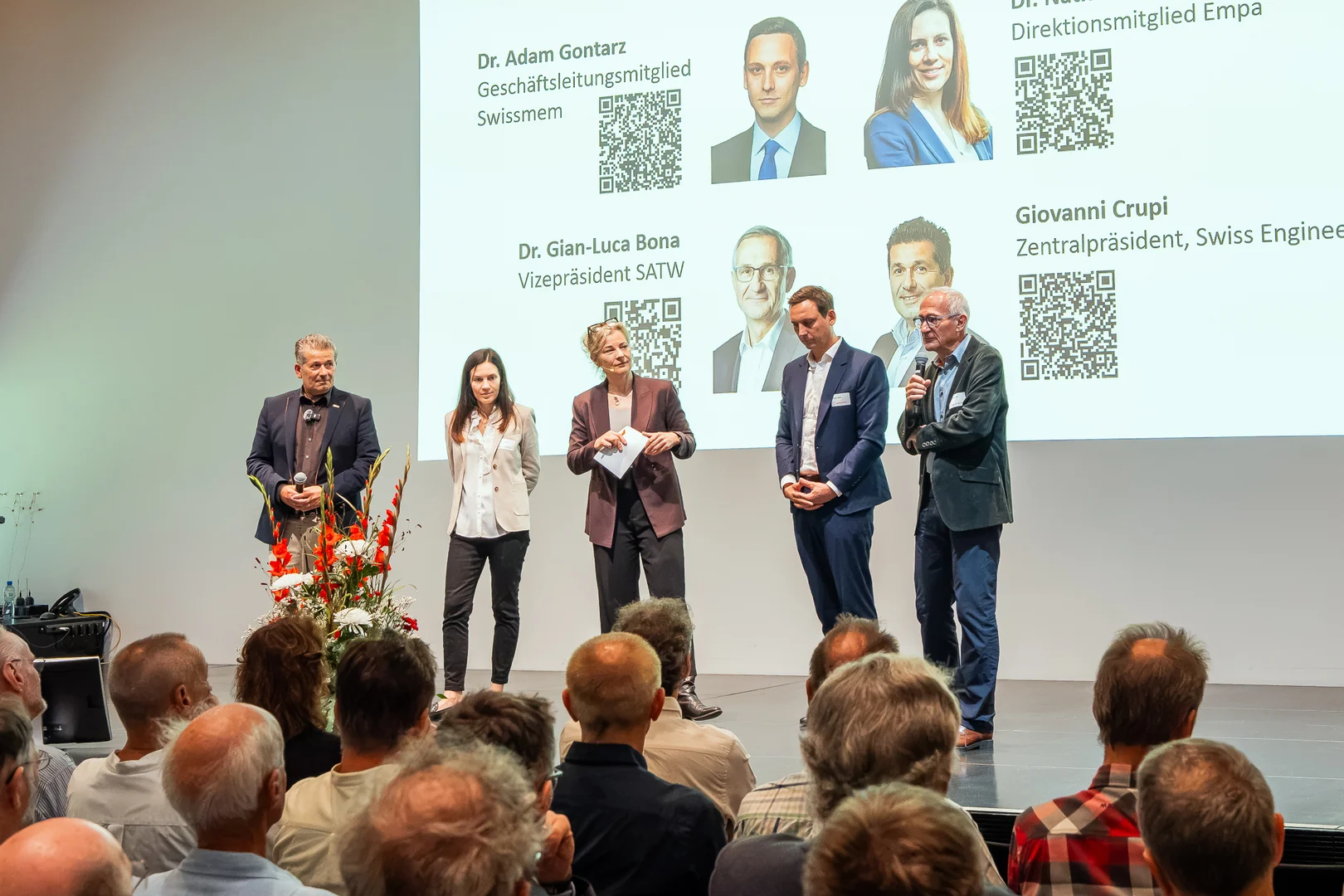
The Technology Days contribute to this by bringing together experts from various disciplines and promoting dialogue on technological developments. The two events in September 2026 were organised by Swiss Engineering, Swissmem, SATW, Empa, EPFL and CSEM. Together, the partners are creating a platform to showcase the diversity of Swiss technological expertise and discuss prospects for the future.
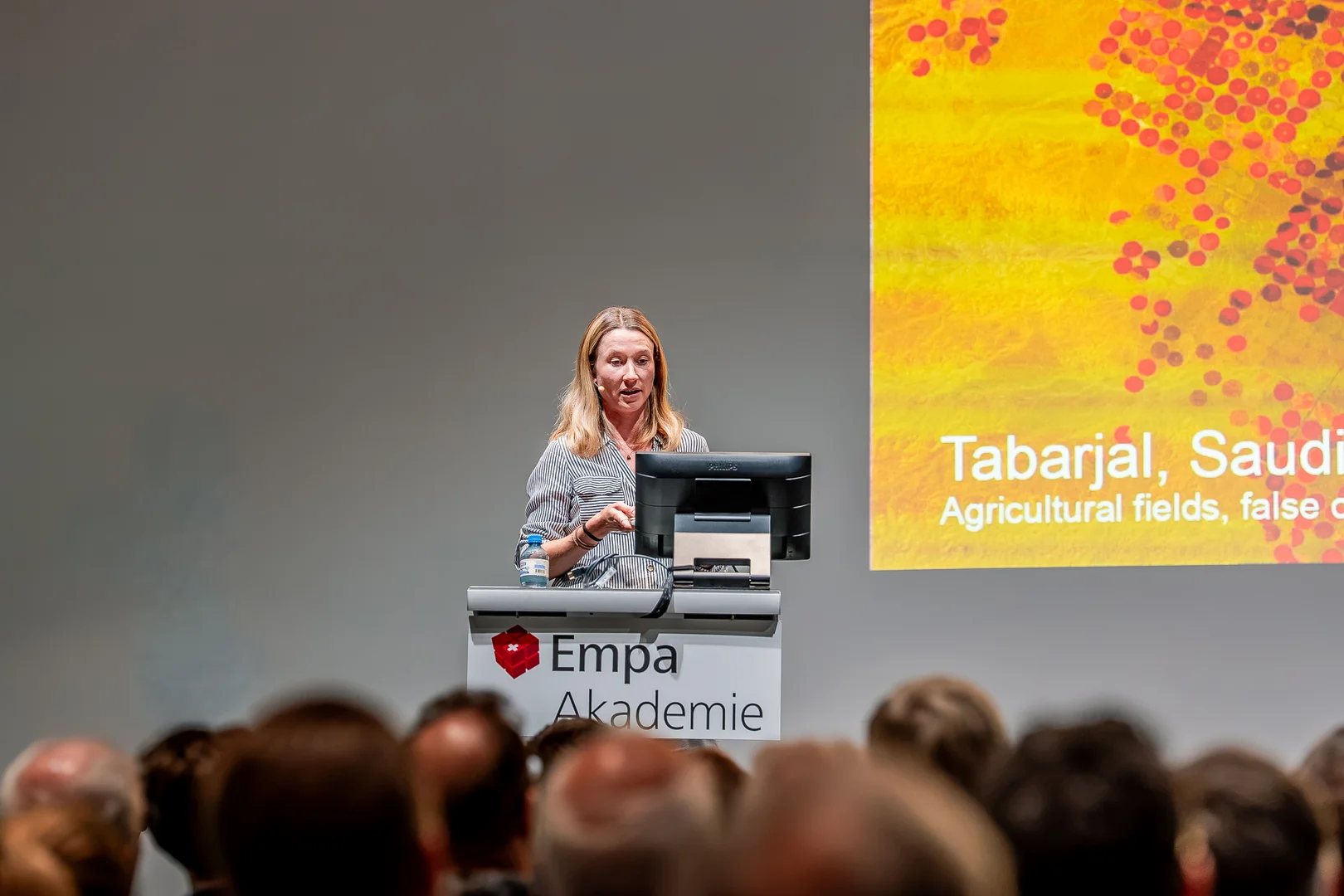
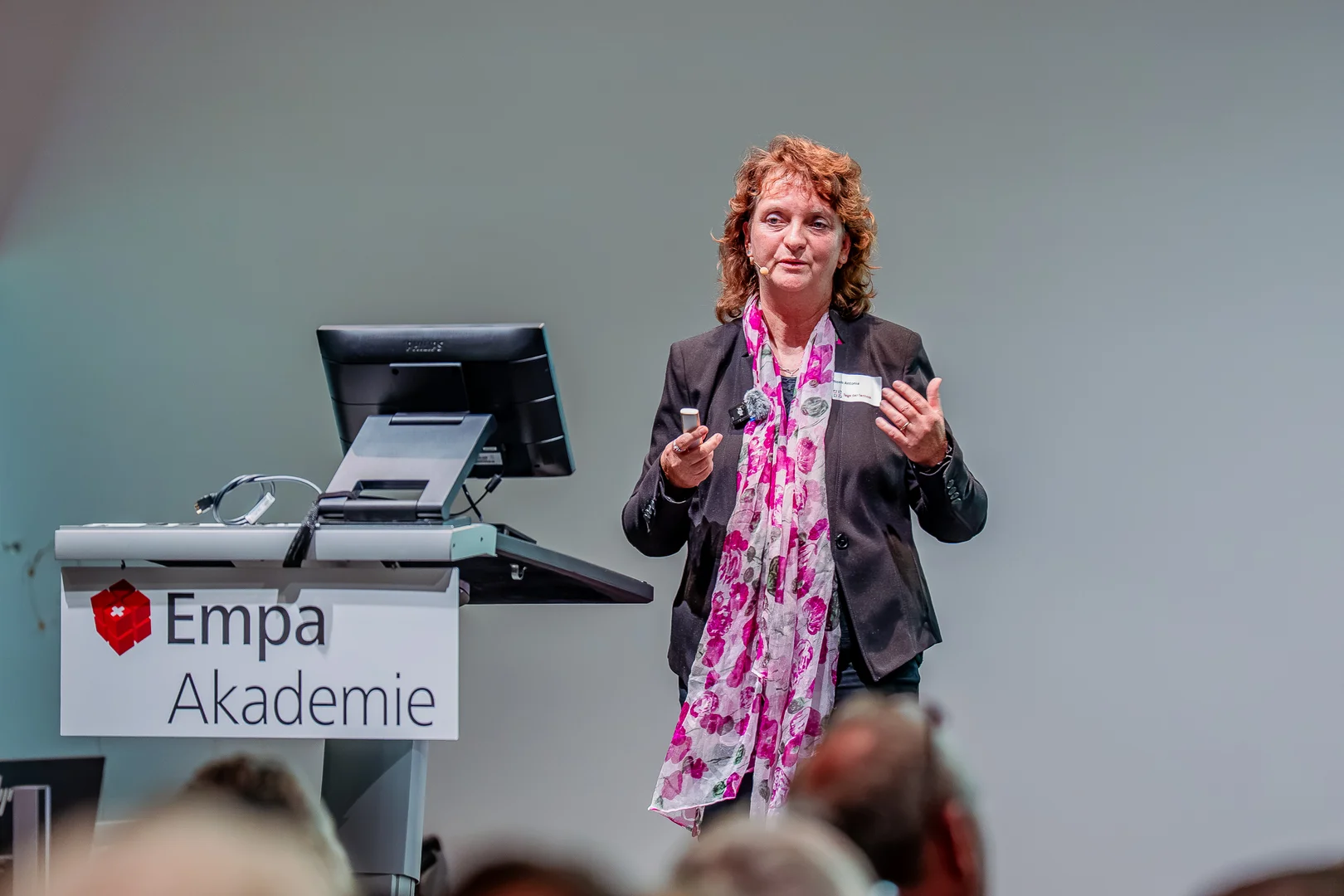
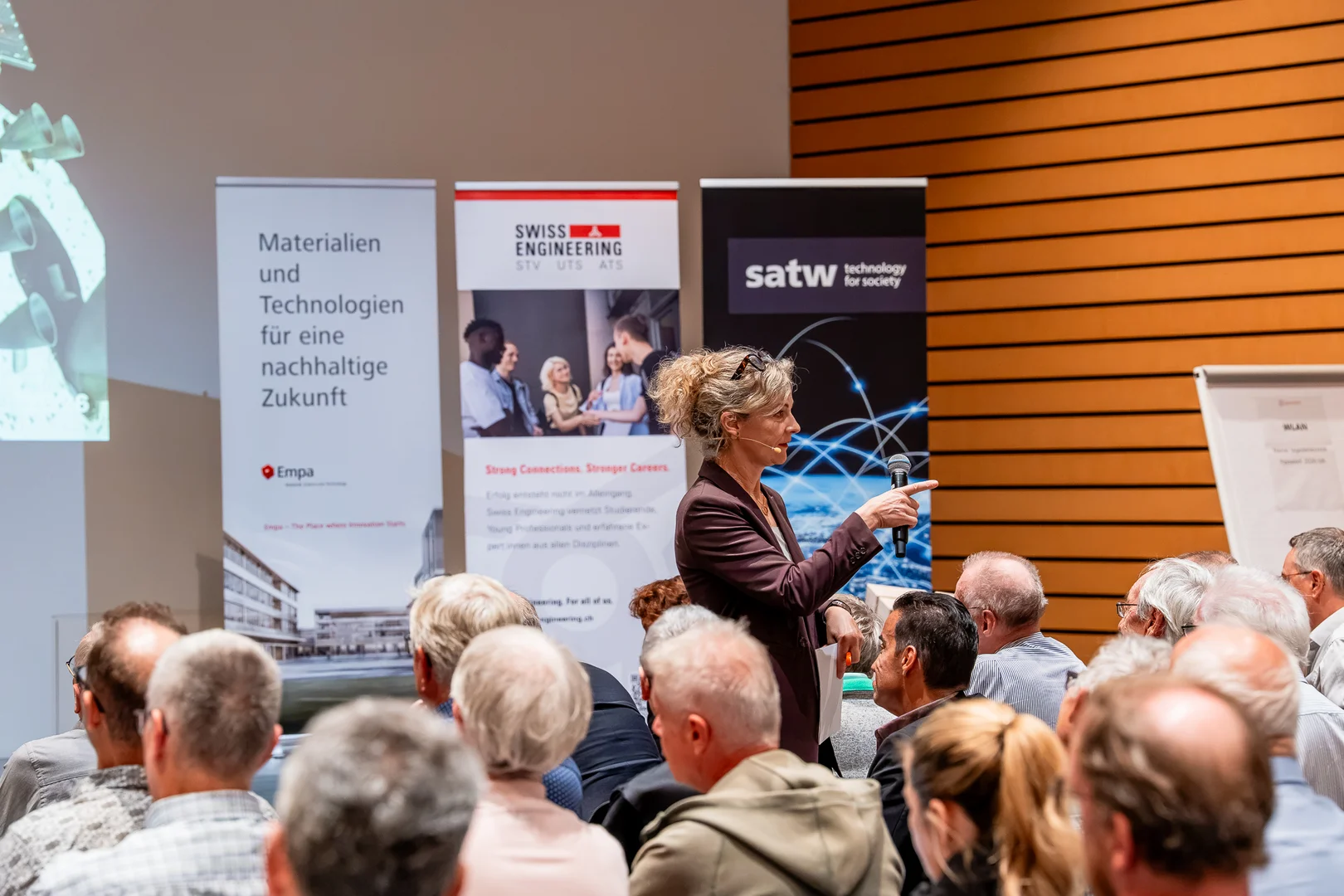
Space is closer than it seems – and Switzerland plays an important role in this field. During the SATW Theme Month ‘Space: Switzerland as a Space Nation’, you’ll find further stories, developments and perspectives on research, technology and space exploration from Switzerland.
| Role | Title + Name |
|---|---|
| Text by | Christian Holzner |