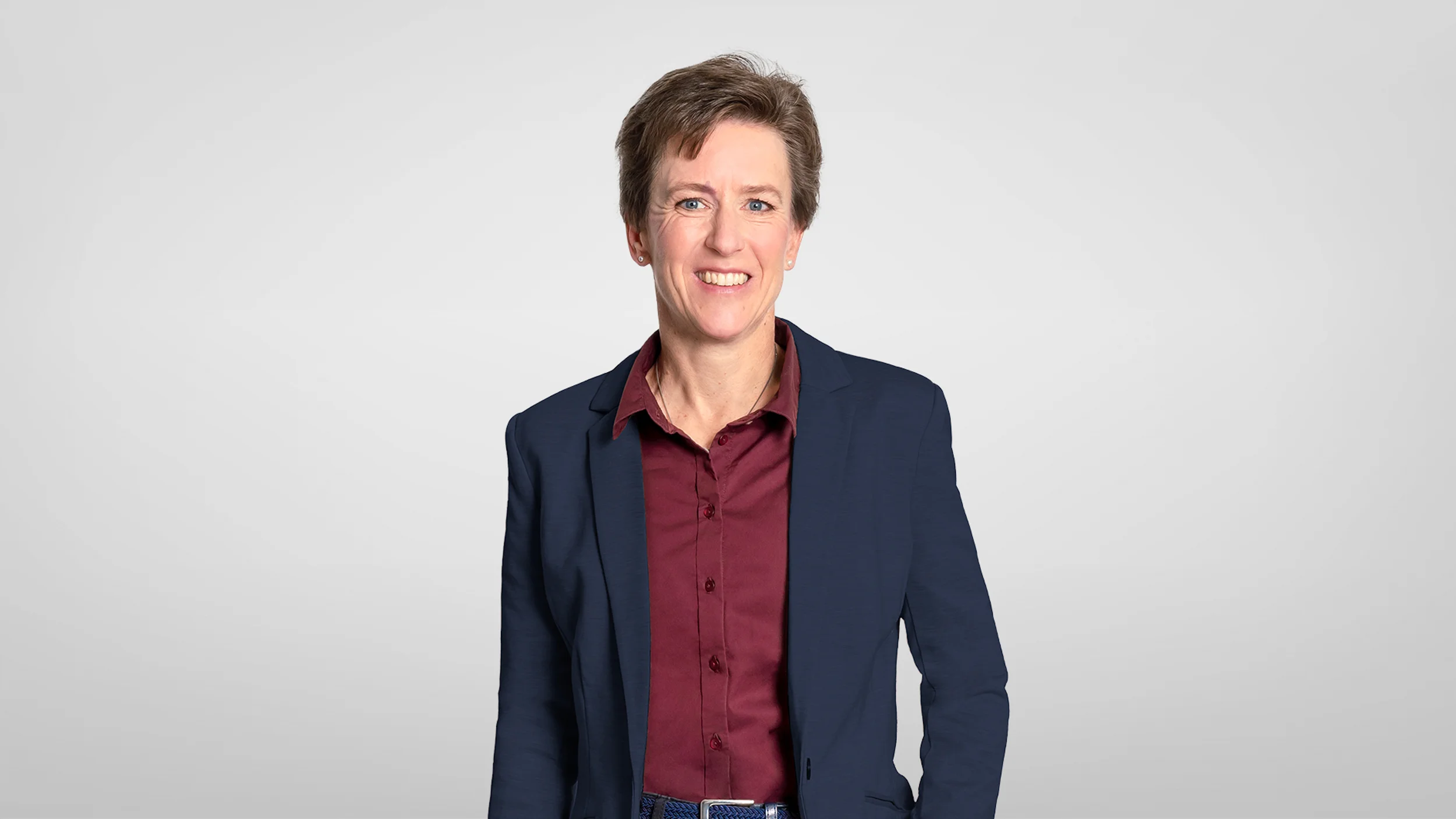
What will Switzerland’s technological landscape of tomorrow look like, and how will it influence our everyday lives? Claudia Schärer from SATW opened the technical part of the event at the CSCS on 12 November 2026 with these questions and presented the current Technology Outlook . The study serves as a strategic compass for industry, research and public administration: based on discussions with around 160 experts from 62 institutions, it explains 31 forward-looking technologies and assesses them in terms of their economic significance and Switzerland’s research expertise.
Translated by an automated translation plugin.
Key developments have highlighted the extent to which technological priorities are shifting. Whilst digitalisation is increasingly becoming an integral, cross-cutting foundation across all sectors, physical materials, energy technologies and sustainable production processes are gaining significant importance. Two areas of focus brought this into sharp relief:
Batteries as the key to the energy transition: alongside the further development of safe solid-state batteries and efficient thermal management for batteries, the focus is shifting towards second-life applications and the circular economy. End-of-life electric car batteries are being networked to serve as stationary storage units for PV systems, whilst bidirectional charging transforms vehicle fleets into mobile buffer batteries for stabilising the electricity grid. From 2027, the EU’s digital battery passport will also ensure transparency throughout a battery’s entire life cycle – right through to AI-assisted dismantling by robots.
Waste as a raw material of the future: using electronic waste as an example, Claudia Schärer demonstrated the economic and environmental potential of recovering valuable metals. A flagship project in this field is a disruptive process developed by ETH Zurich, in which whey-based sponges bind gold from electronic waste. At the same time, a new sustainability assessment in the Technology Outlook makes it clear that ‘new’ does not automatically mean ‘more sustainable’; rather, the entire value chain must always be taken into account.
For these technologies to make the leap from the laboratory to widespread application, what is needed – alongside investment and close collaboration – is, above all, interdisciplinary thinking and a high level of specialist expertise, but also a good dose of curiosity and a constant willingness to think outside the box – a key link to the second part of the evening.
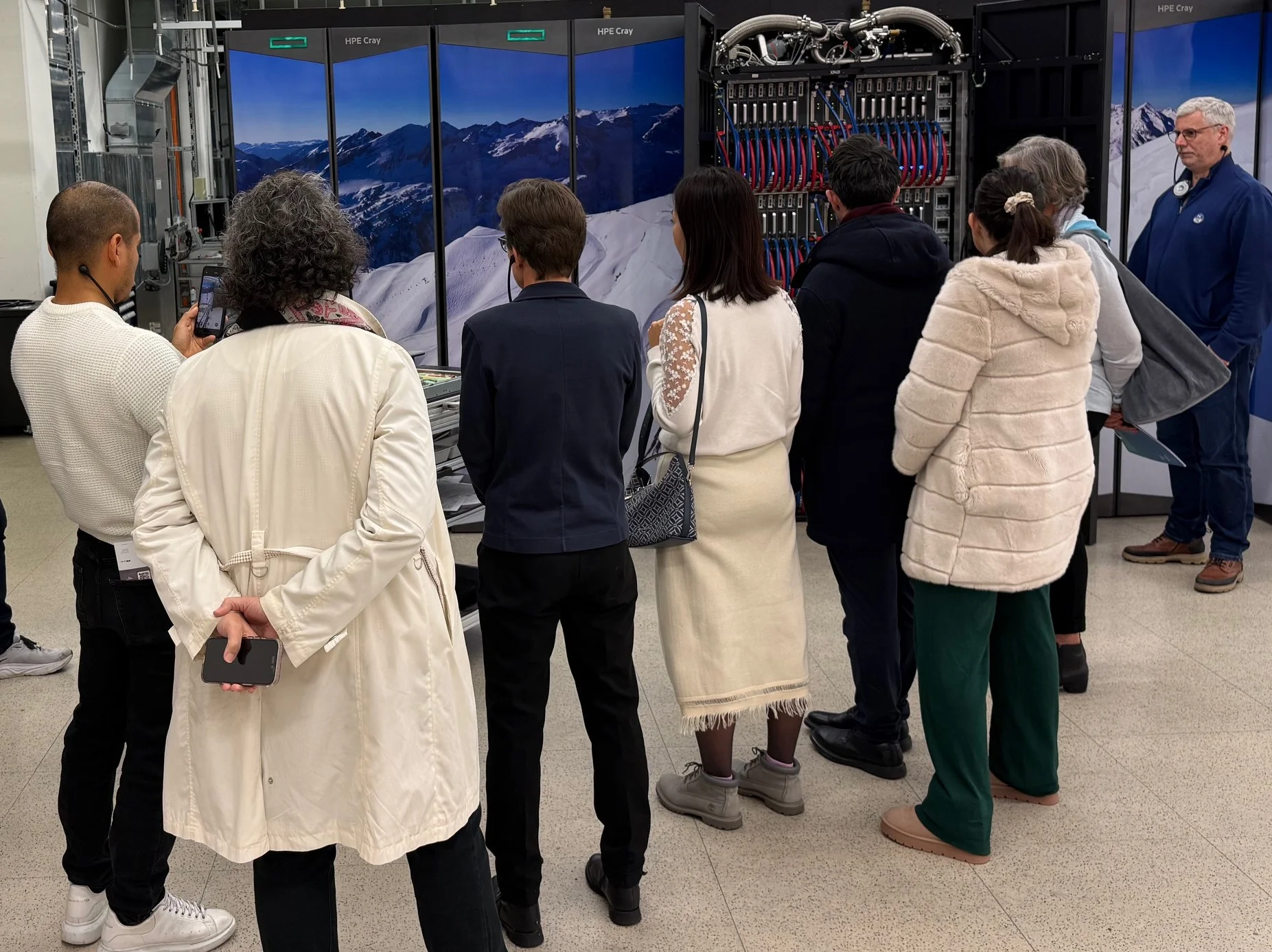
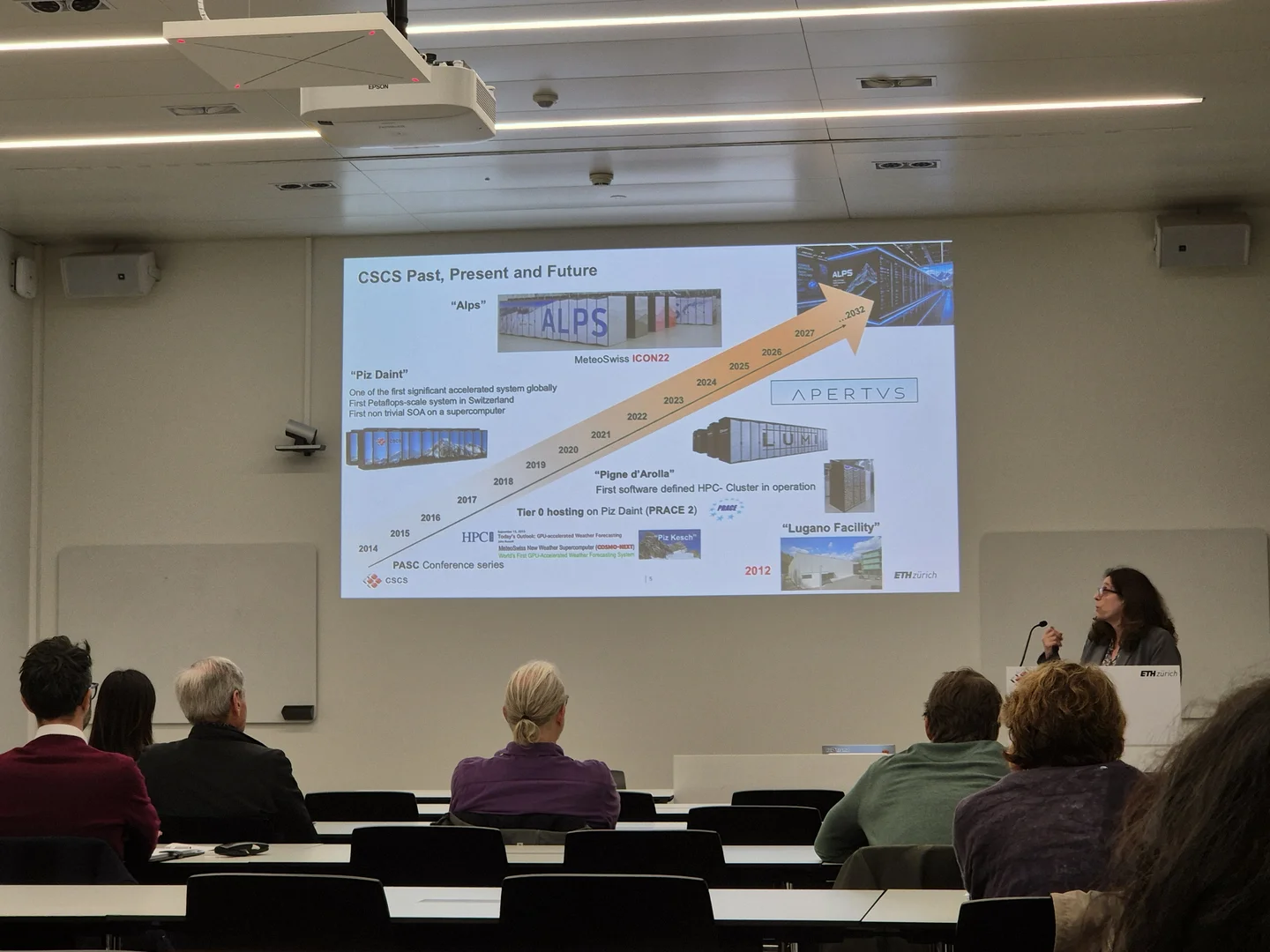
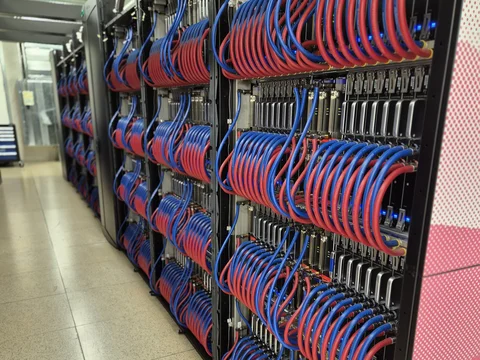
Maria Grazia Giuffreda from the CSCS then demonstrated what happens when scientific concepts meet maximum computing power. In her introduction and during the guided tour of the national high-performance computing centre operated by ETH Zurich, it became clear just how supercomputing has evolved in recent years: away from isolated mainframes for individual simulations towards a highly flexible, cloud-based research infrastructure.
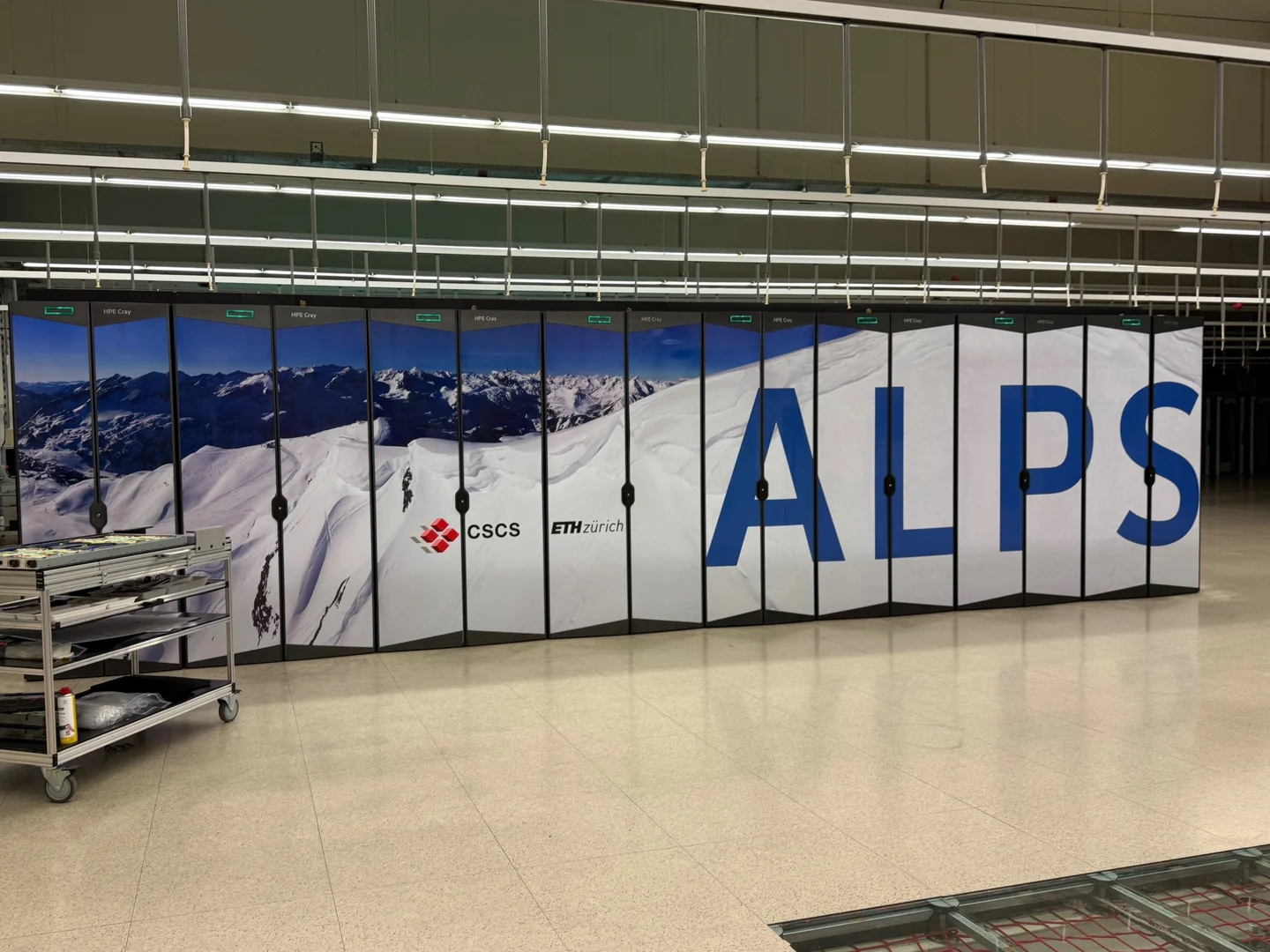
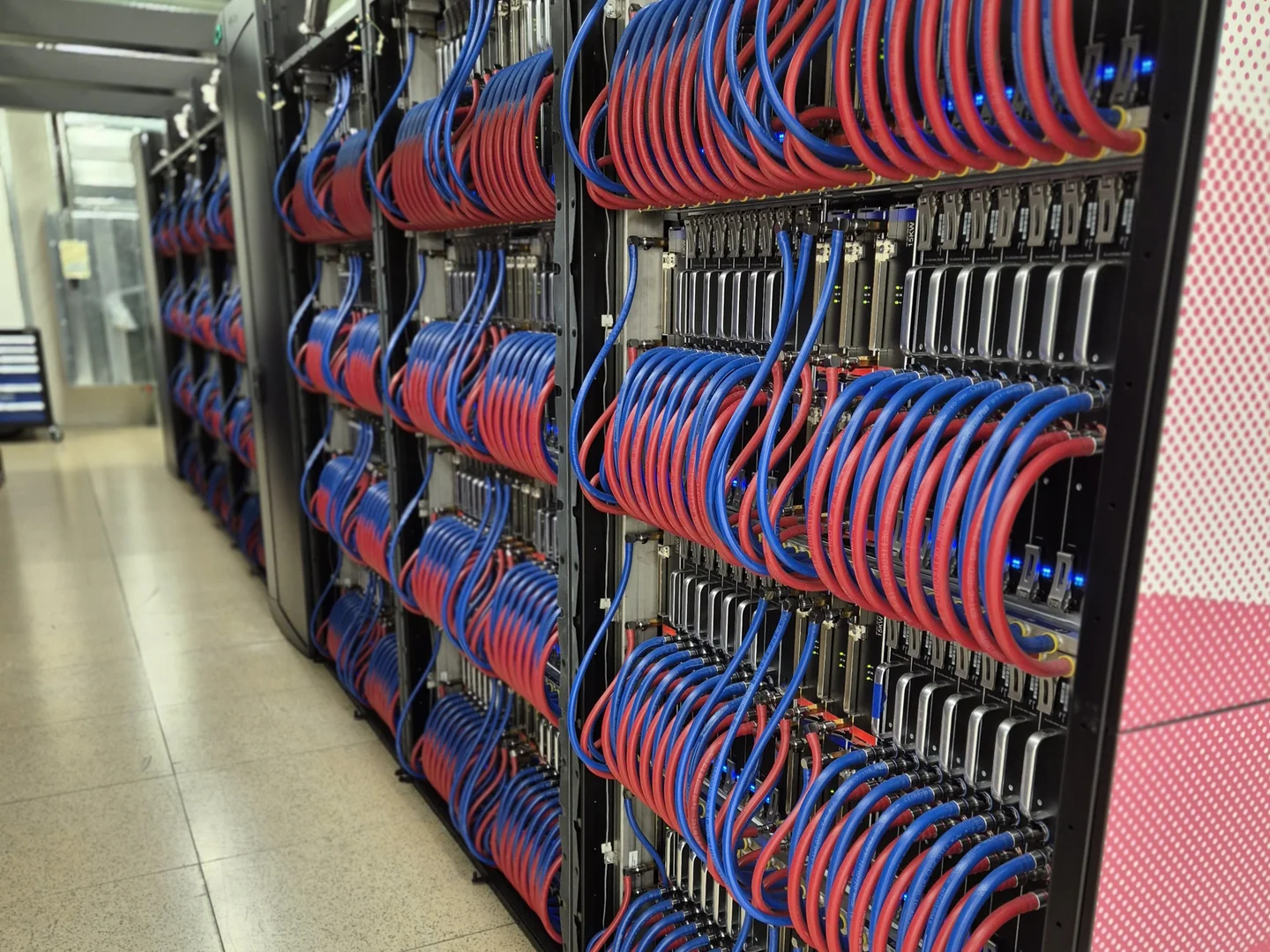
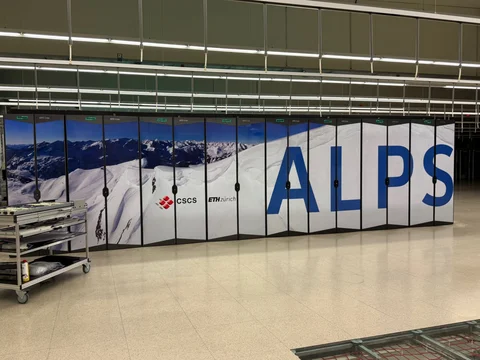
At the heart of this is the ‘Alps’ supercomputer, commissioned in 2024, which ranks among the world’s most powerful computers and has catapulted Switzerland to the forefront of global research in the fields of climate modelling, materials science and artificial intelligence. One particularly notable outcome of this infrastructure is ‘Apertus’. Developed jointly by ETH Zurich, EPFL and CSCS on ‘Alps’, this large language model is regarded as a milestone for sovereign, transparent and multilingual AI. Unlike the proprietary models of major tech corporations, Apertus is fully open-access – from the source code through to the training data and model weights – and supports over 1,000 languages, including the four Swiss national languages, such as Swiss German.
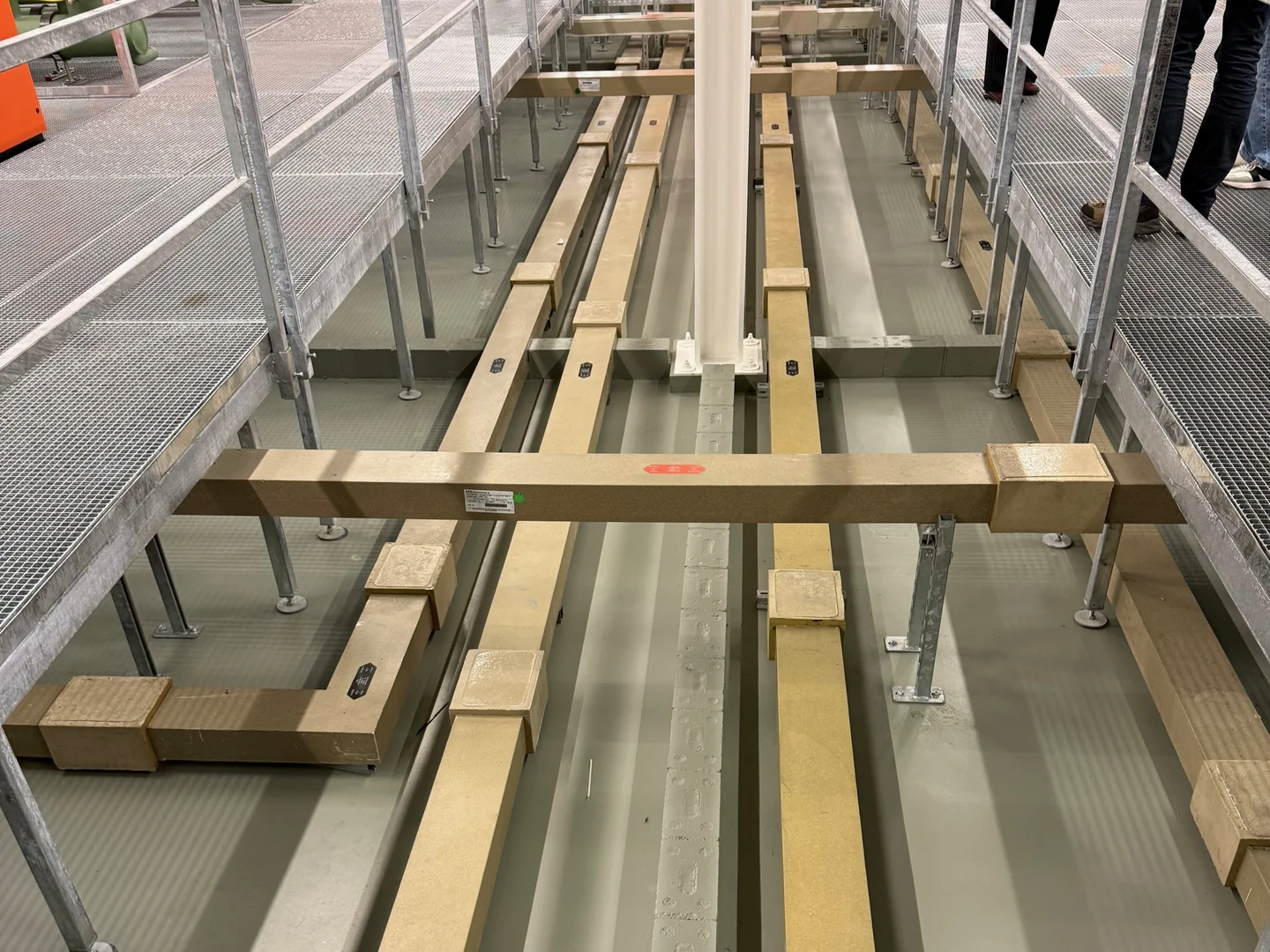
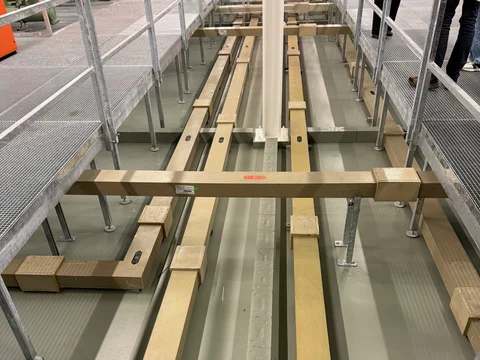
The tour of the impressive computer halls in Lugano also highlighted that the CSCS has been consistently planned with the long term in mind: the facility deliberately offers plenty of free space to enable future generations of supercomputers to be seamlessly integrated without interrupting ongoing operations. At the same time, the next chapter in computing technology is already unfolding on site: a quantum computer is currently being installed at the CSCS. In doing so, Switzerland is laying the groundwork for combining classical high-performance computing, artificial intelligence and quantum technology under one roof in the future.
The joint event organised by SATW and the CSCS impressively demonstrated how closely technological foresight and practical implementation are linked: whilst the Technology Outlook provides guidance on which skills and innovations are strengthening Switzerland, the CSCS in Lugano demonstrates day in, day out how visionary research is transformed into real infrastructure for science, business and society.
| Role | Title + Name |
|---|---|
| Text by | Claudia Schärer |