Translated by an automated translation plugin.
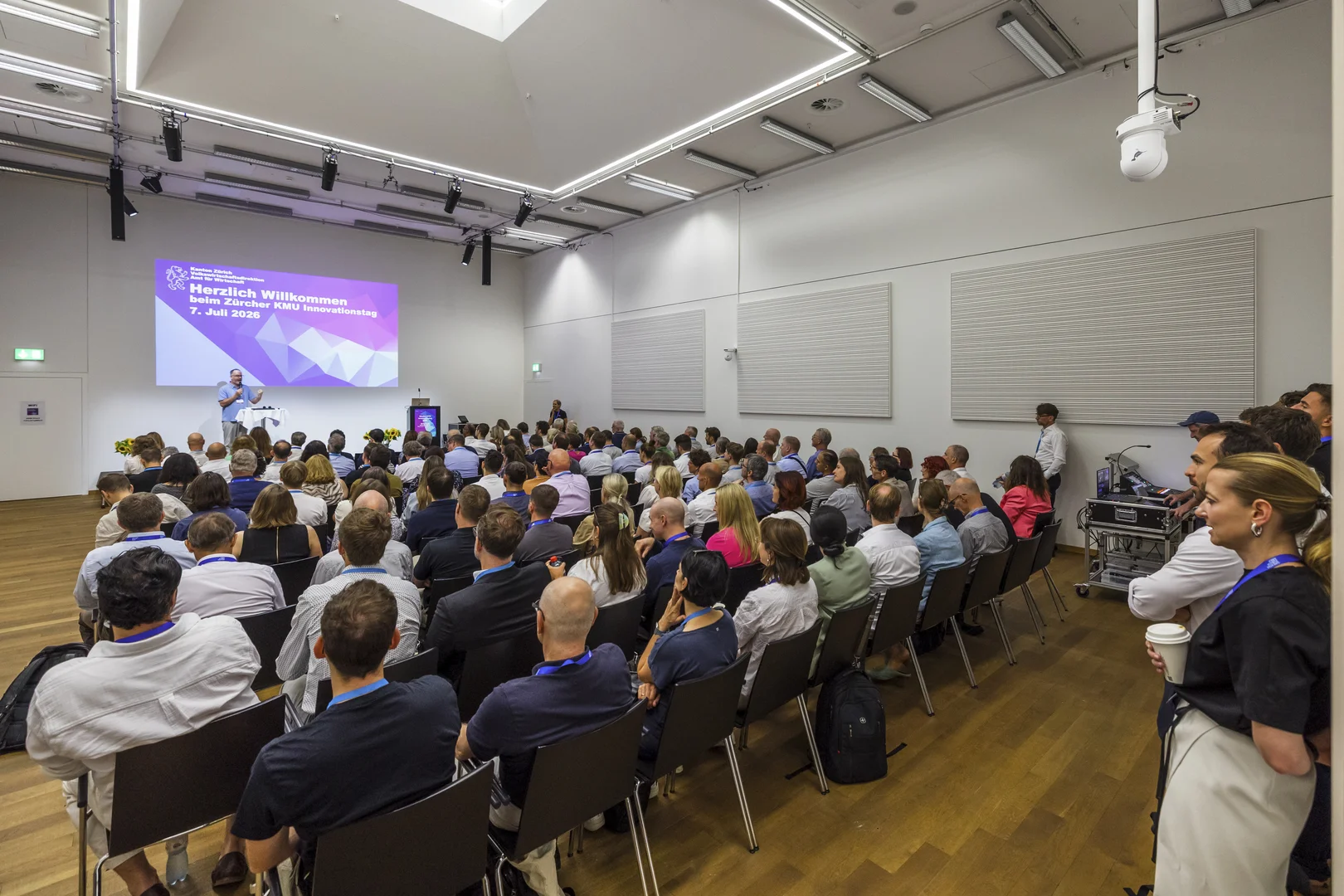
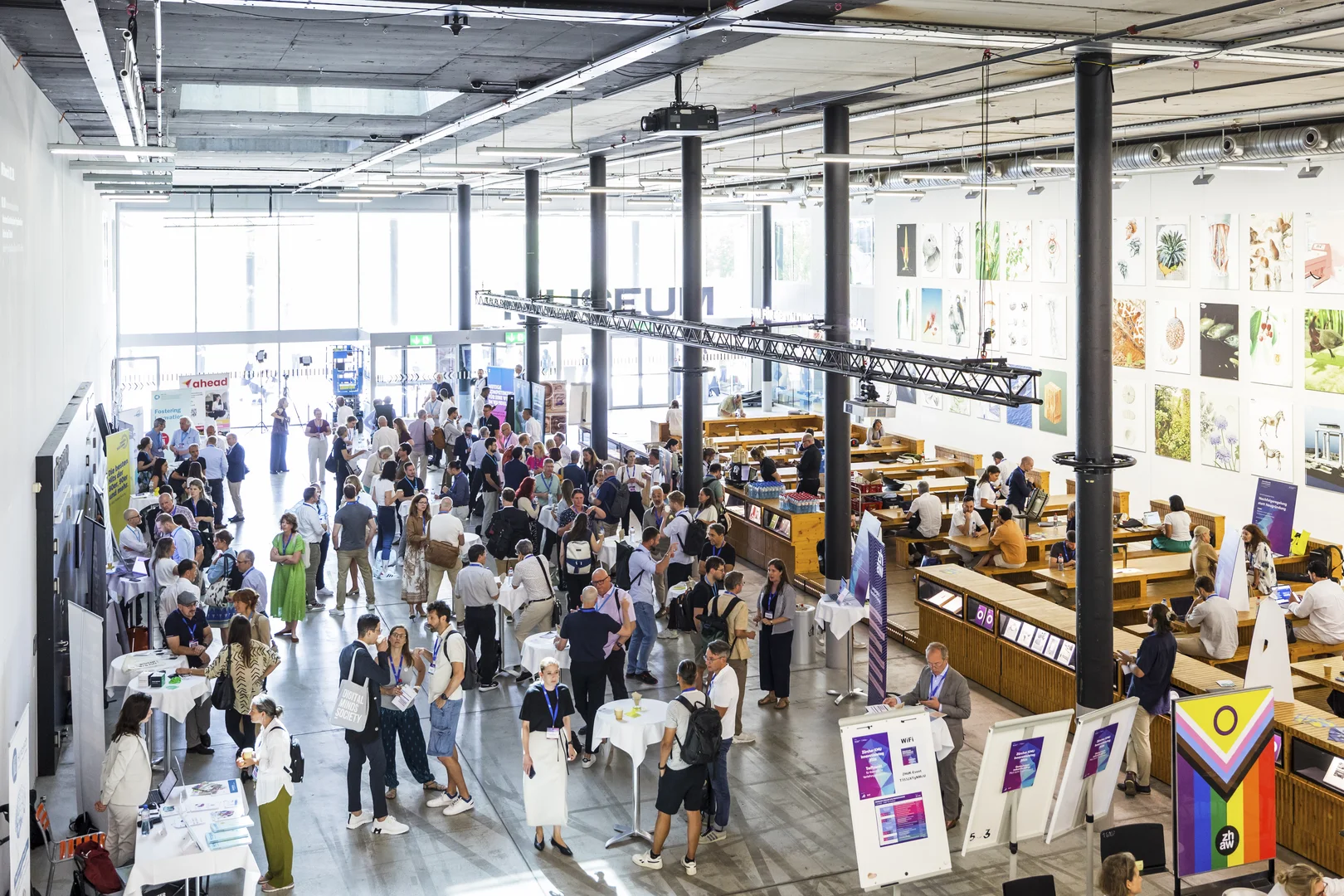
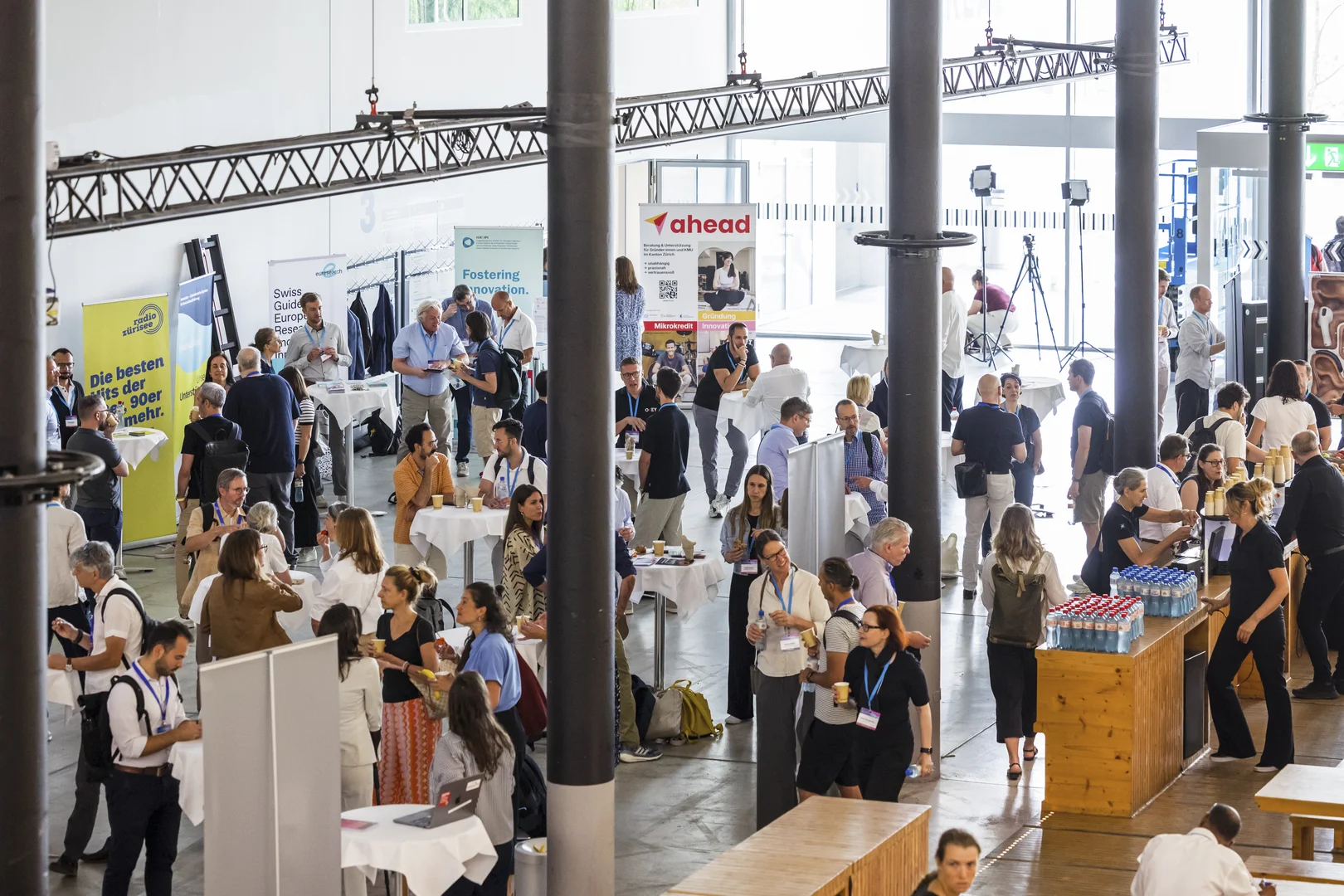
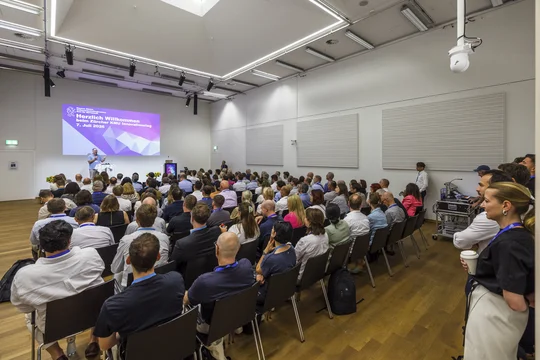
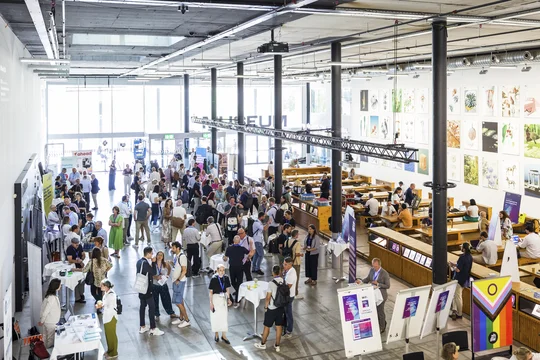
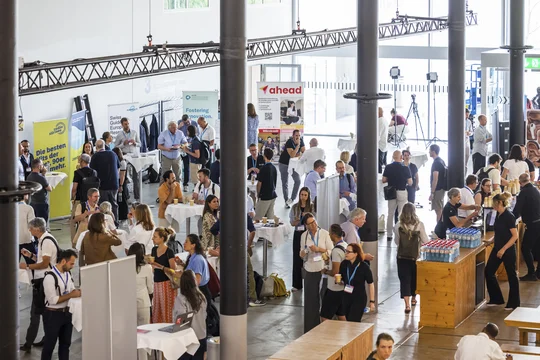
Exchange, inspiration and practical ideas: the Zurich SME Innovation Day attracted around 230 participants to the main building of the Zurich University of the Arts (ZHdK) on 7 July 2026. Organised by the Canton of Zurich’s Economic Development Agency, this annual event provides a key platform for developing ideas, initiating collaborations and networking. The SATW was present with a plenary presentation and three workshops.
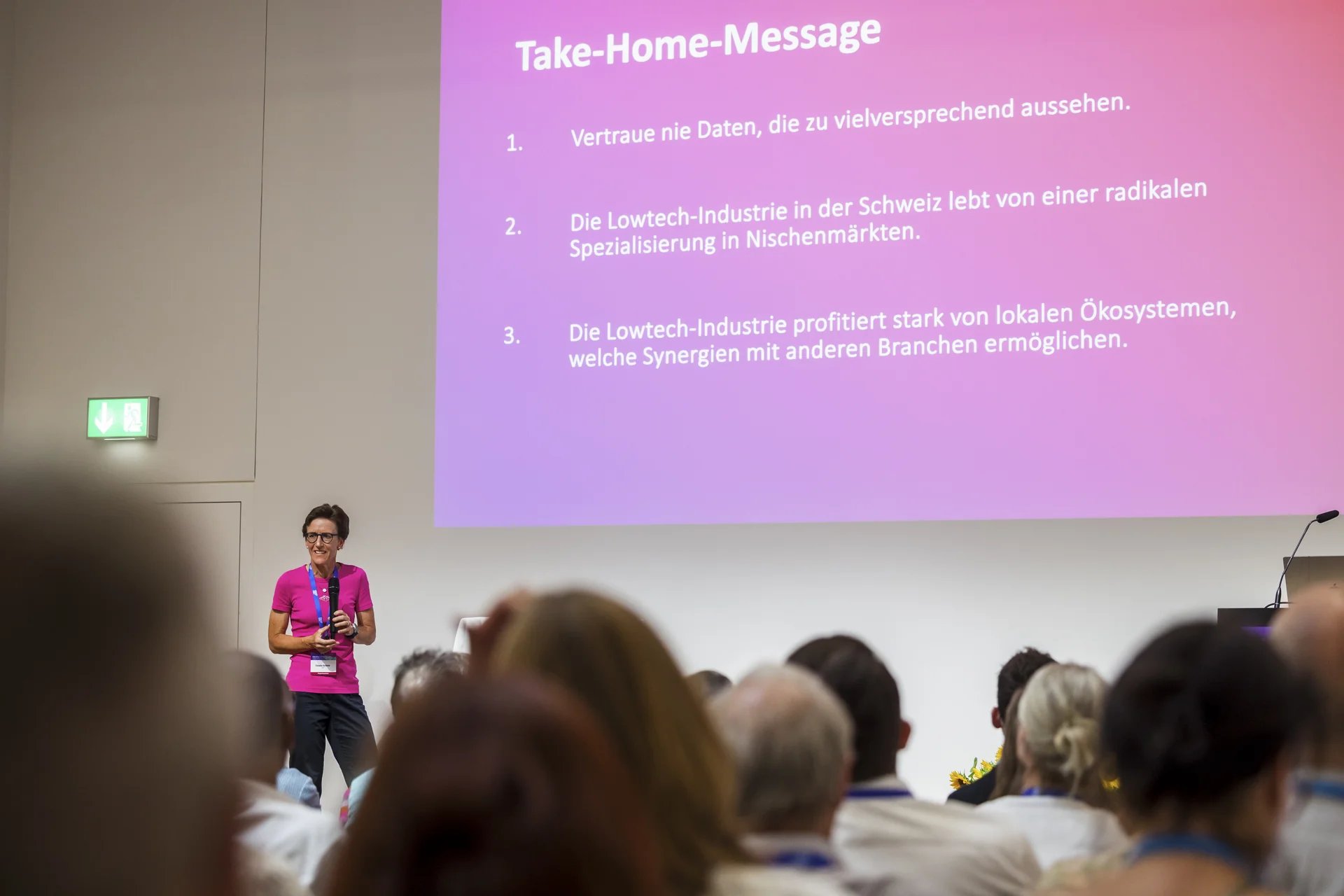
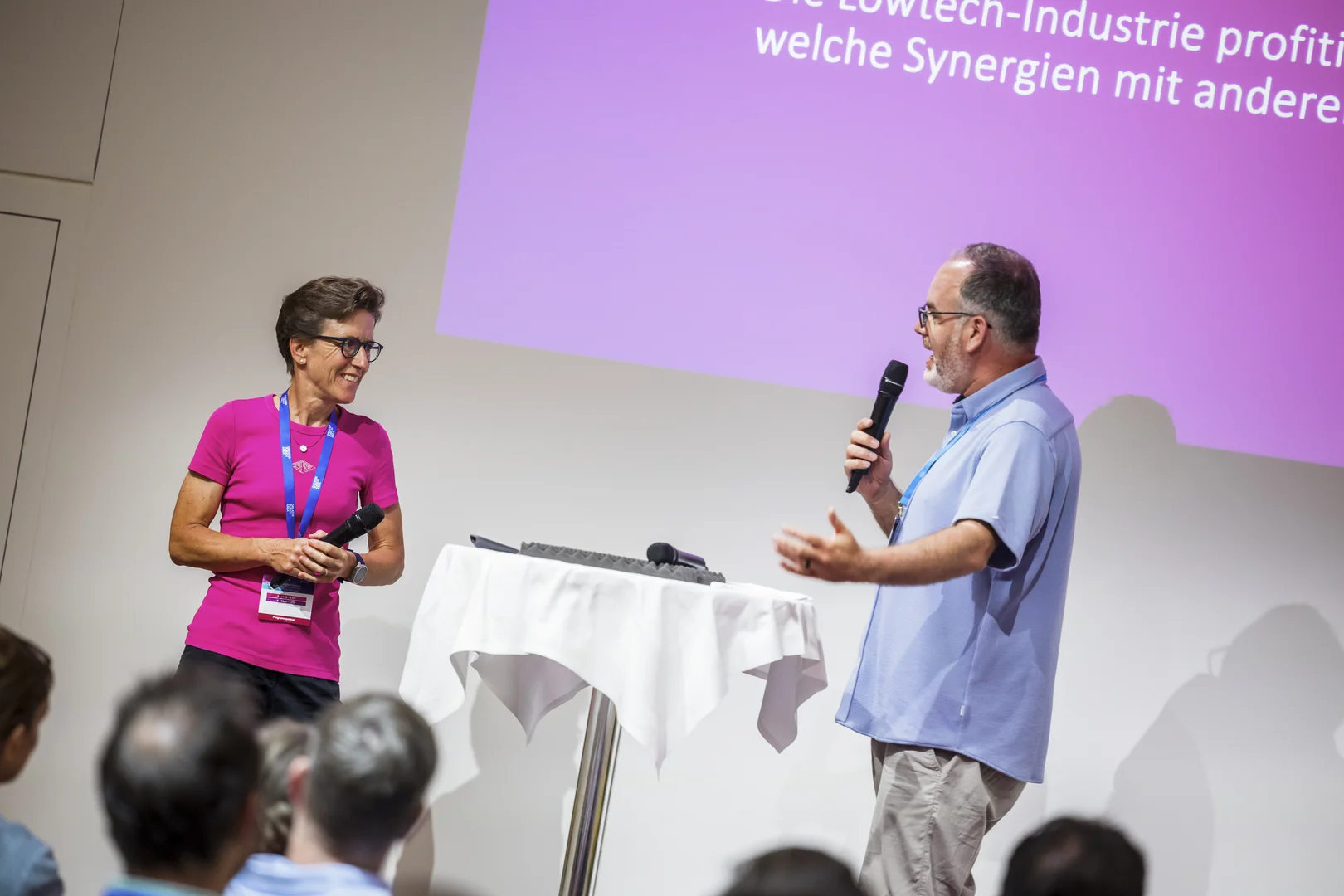
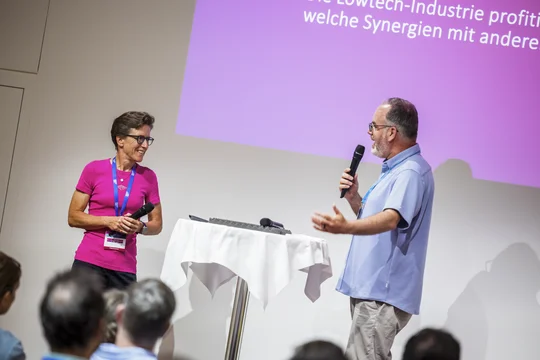
In the plenary presentation, Claudia Schärer explained why she was unable to deliver the presentation she had originally intended to give. The plan had been to provide a preview of SATW’s next innovation capacity analysis, which was intended to shine a spotlight on the low-tech industry. However, the observations that were to be explored in depth were based on an over-interpretation of the data and thus on statistical artefacts. This became apparent during an in-depth analysis. Finally, Claudia Schärer presented her findings on what had led to the data debacle and reminded the audience of the importance of examining results from multiple angles – and of having the courage to experiment when assessing one’s own actions.
The presentation was rounded off with fascinating insights into the world of the low-tech industry, which in Switzerland thrives on radical specialisation in niche markets and benefits greatly from local ecosystems that facilitate synergies between different sectors.
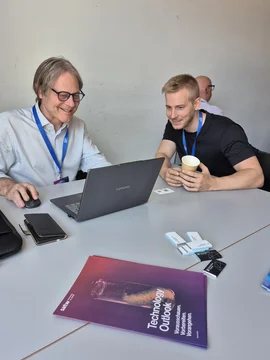
The SATW organised three workshops directly related to the Technology Outlook: on the Digital Product Passport (DPP), industrial 3D printing and strategies for implementing the circular economy.
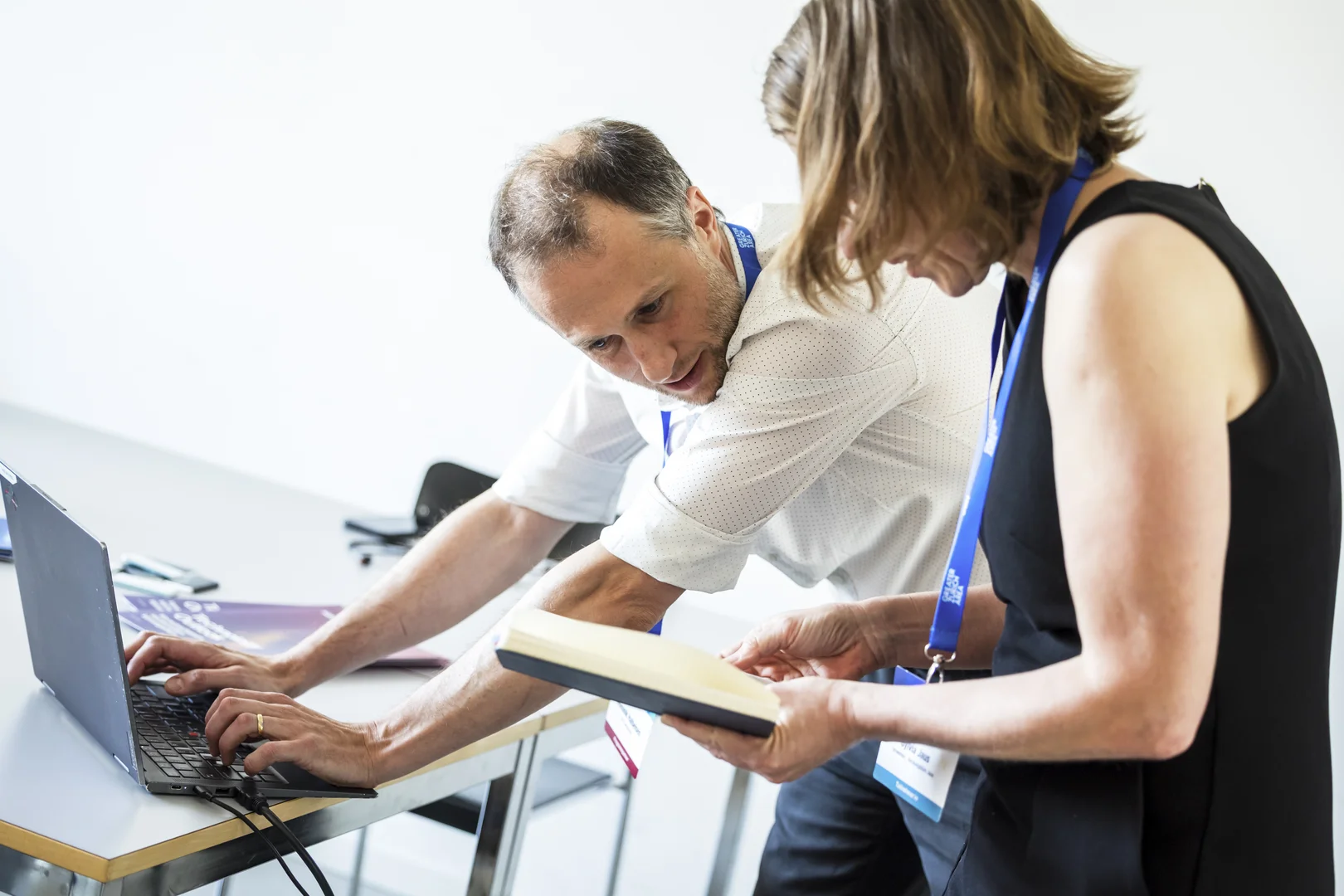
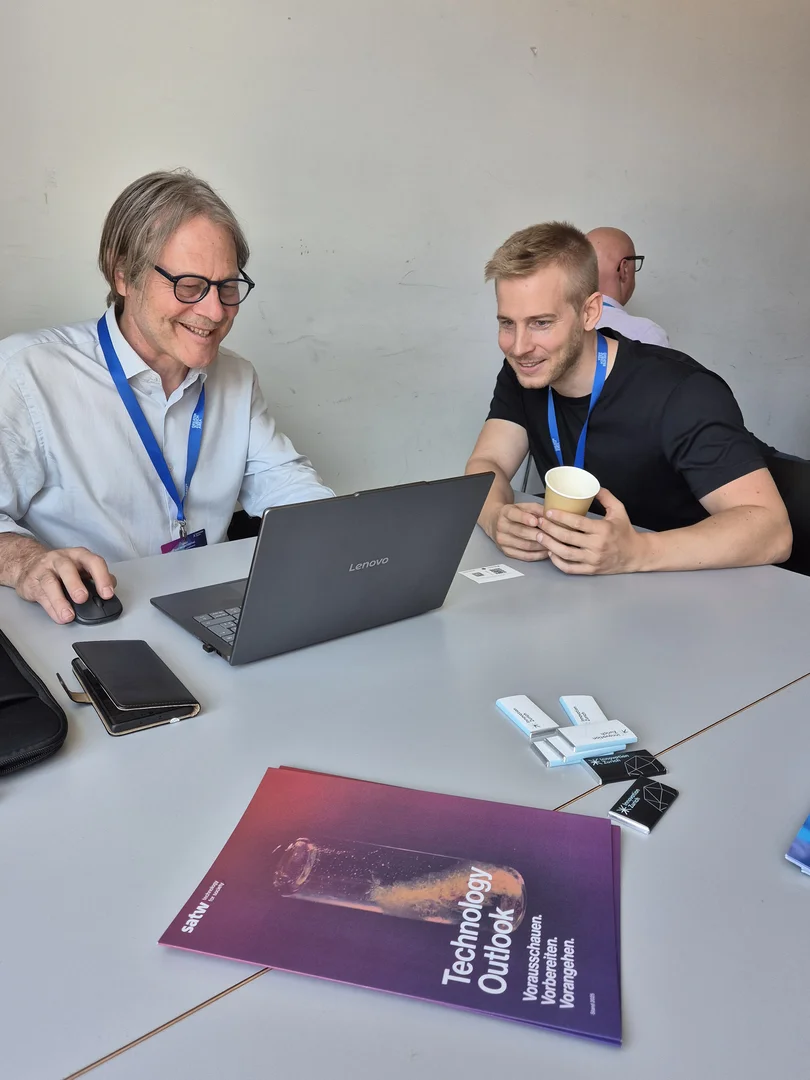
In their workshop, Dominik Halbeisen (GS1 Switzerland) and Peter Krummenacher (Bloqsens AG) introduced participants to the DPP, which is due to be implemented in the EU from 2027 onwards on a phased basis by sector. The aim of the DPP is to create greater transparency in supply chains, thereby increasing the circularity and value of products. However, it presents challenges for companies, particularly with regard to data collection.
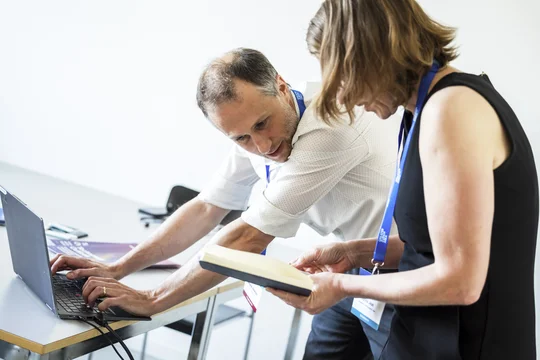
Participants were able to test a greatly abbreviated version of the process on site. This resulted in DPPs for Freitag rucksacks, Moleskine notebooks, coffee mugs made from bio-based materials, sun cream and chocolate bars. After the workshop, participants left not only with a QR code for their DPP, but also with the realisation that the DPP is becoming a reality and that sitting on the fence is not an option.
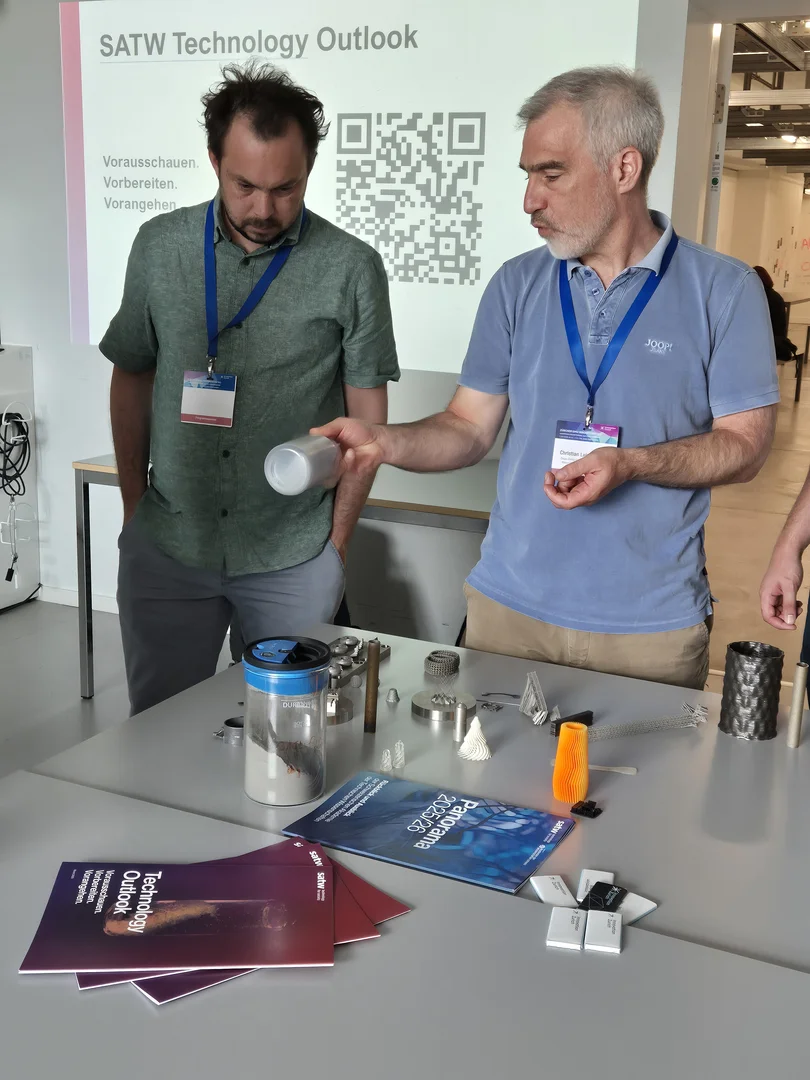
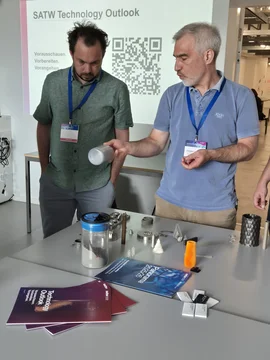
3D printing is now widespread. It is fascinating to see how an object is created from plastic ‘spaghetti’. Stefan Czerner (ZHAW) and Christian Leinenbach (Empa) demonstrated that 3D printing is more than just a gimmick and has now reached industrial maturity.
Not only plastic, but also metals, composites and concrete can be printed. Furthermore, the volumes of the build spaces are constantly increasing, meaning ever-larger objects can be produced in this way. The visual aids on display impressively highlighted the advantages of 3D printing: Single items and small batches are cost-effective. It is also possible to produce shapes and geometries that cannot be manufactured – or can only be produced at great expense – using traditional methods such as casting or milling. All of this makes additive manufacturing an attractive option for industry too.
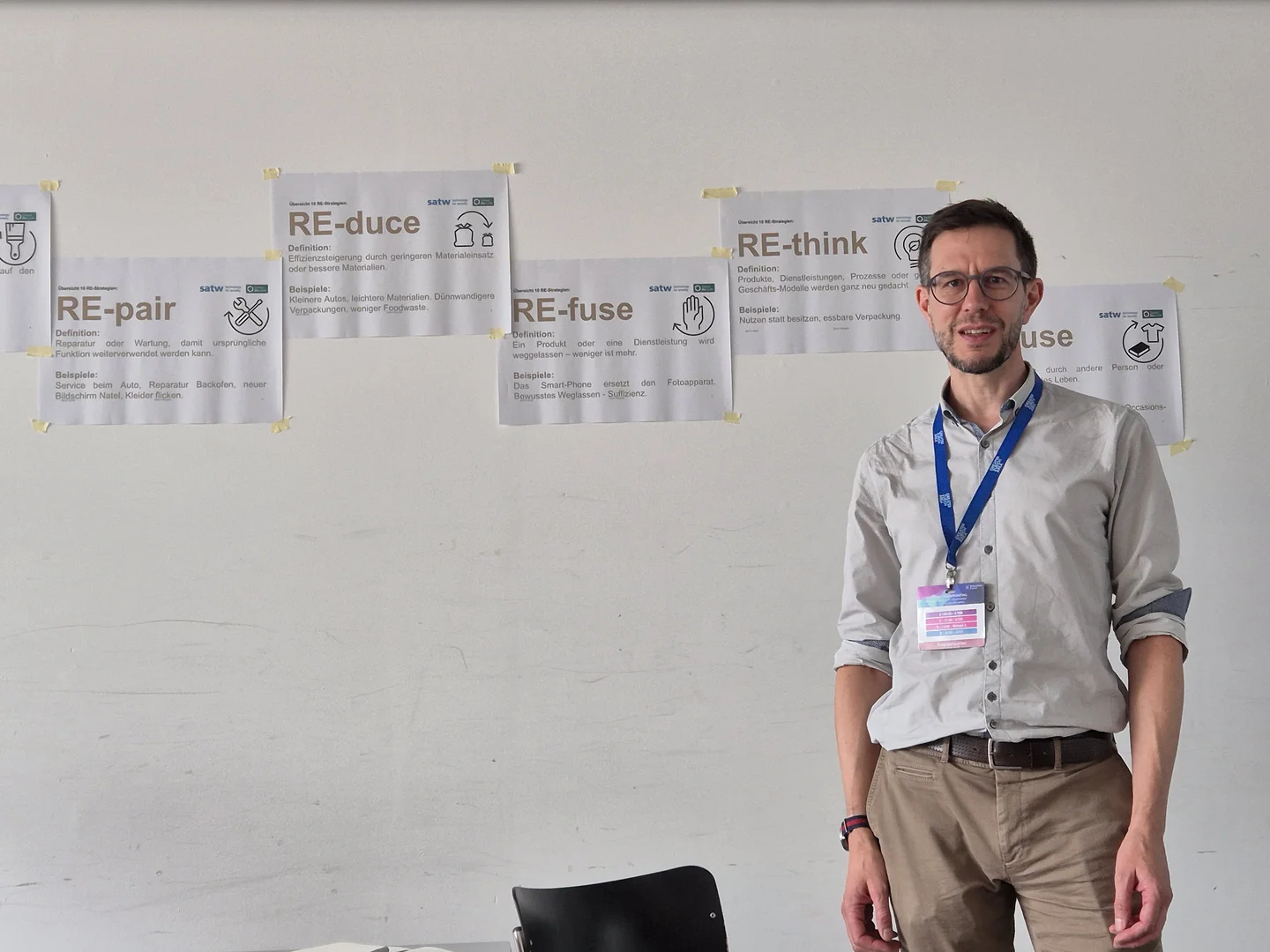
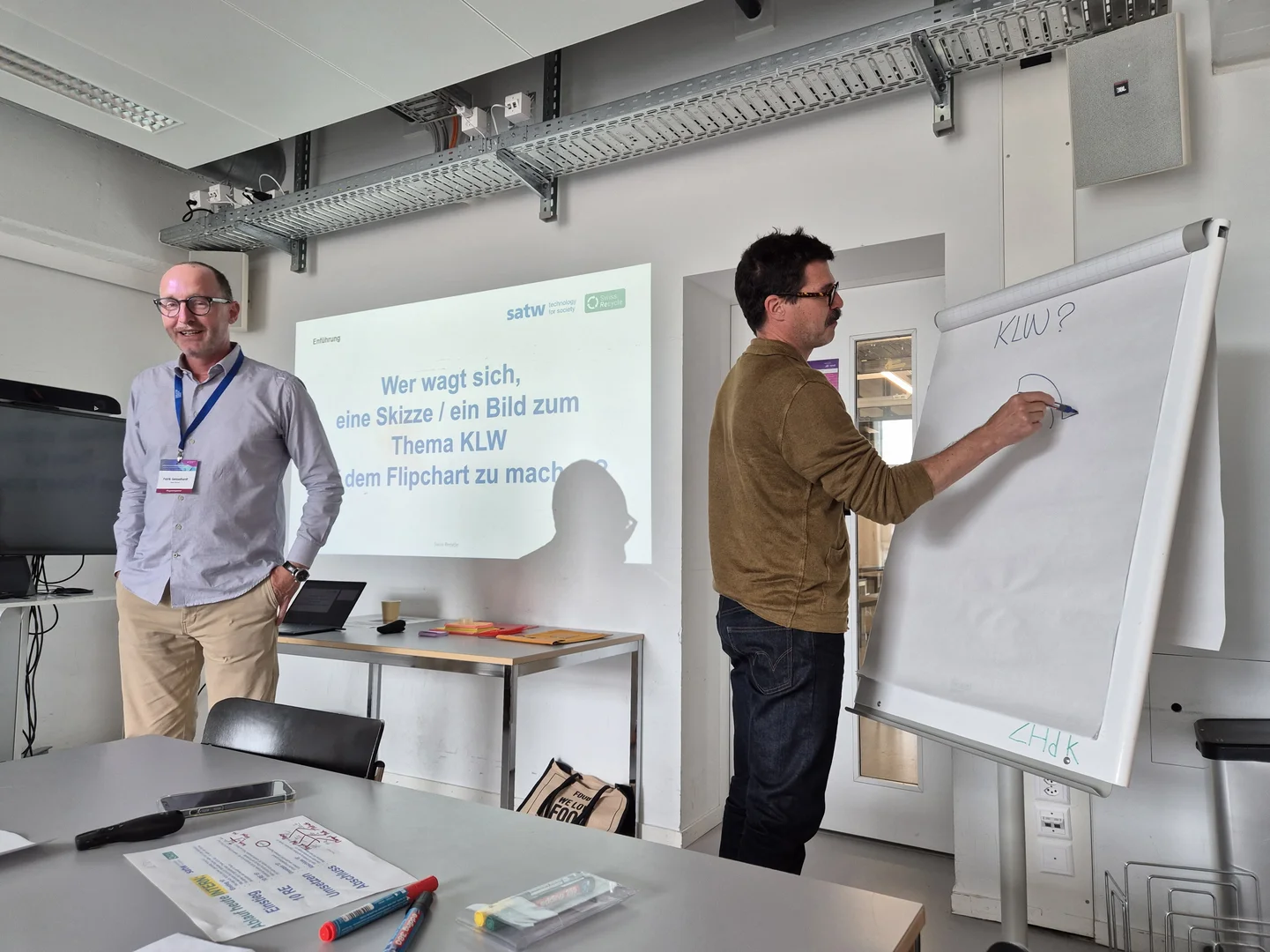
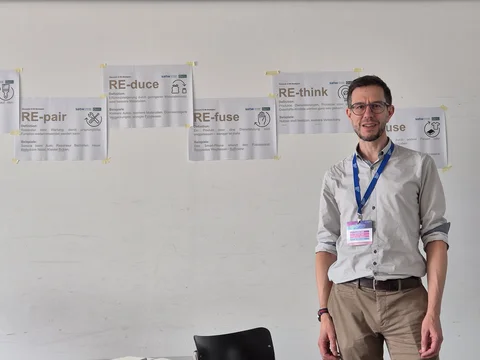
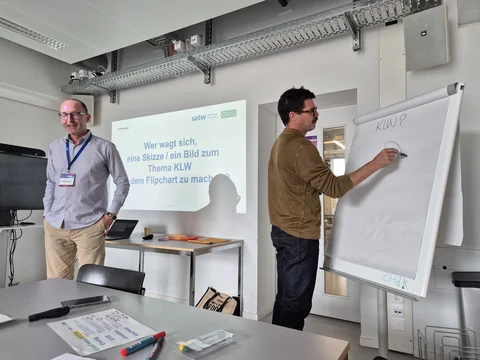
The circular economy holds great potential for making processes in SMEs more resource-efficient and climate-friendly. A survey of workshop participants on this topic showed that, whilst knowledge of the circular economy is certainly present within their companies, implementation is still in its infancy. Patrick Geisselhardt (Swiss Recycle) presented 10 RE strategies, ranging from RE-cycle – which is well-established and successful in Switzerland for various products – to RE-think. The latter approach involves fundamentally redesigning products, services, processes or business models – for example, by opting for a right of use as a service for household appliances rather than owning them. Concrete approaches and tools – such as the Circular Economy Canvas presented – are important, as they enable companies to implement the circular economy in practice. Even small steps count.
| Role | Title + Name |
|---|---|
| Text by | Claudia Schärer |