Translated by an automated translation plugin.
The roots of the SATW go back to a time of economic hardship. The financial crisis at the end of the 1970s presented Switzerland with major challenges: The Swiss franc appreciated sharply within a short space of time, inflation increased and unemployment rose. In this situation, politicians looked for ways to strengthen the country's innovative power.
Waldemar Jucker, economist and federal delegate for economic affairs, recognised a structural problem: there was no clear point of contact for technical issues, and the existing trade associations often acted inconsistently. The idea of a joint platform for the technical sciences became increasingly important.
Committed individuals from industry, science and professional organisations - including Albert R. Nussbaumer, then Director of General Technology at Sandoz, and Prof. Urs Hochstrasser, then Head of the Science and Research Department - took up this challenge. They initiated a working group with the aim of joining forces and creating a national academy. After intensive preparatory work, the SATW was founded in Zurich in 1981 and Federal Councillor Hans Hürlimann, who attended the founding ceremony, clearly formulated the mission: "Building bridges between science and society, between experts and the public, between the present and the future". This mission still characterises the work of the SATW today.
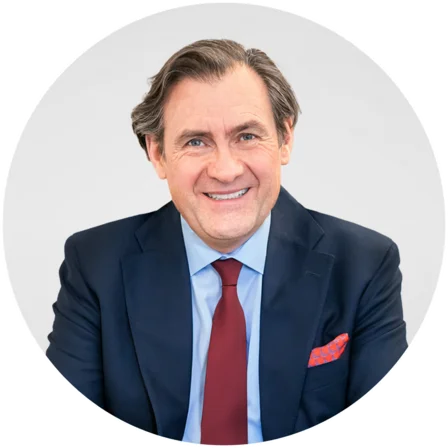
"For 45 years, SATW has stood for an independent voice of the technical sciences in Switzerland. What our founders recognised is more urgent today than ever: technology and society are inextricably linked."
Prof Benoît Dubuis, President of the SATWWhat began as an idea in 1981 has developed into a broad field of activity. Today, the SATW brings together around fifty societies, associations and institutions from all areas of the technical sciences. It specifically promotes young talent, strengthens networking within the specialist community and contributes technological perspectives to social and political discussions. SATW makes an important contribution to opinion-forming by issuing position papers on current topics such as energy supply, digital sovereignty and innovation. At the same time, it is committed to ensuring that technological developments are shaped responsibly and widely accepted in society.
SATW addresses the technological challenges of our time — including burning questions around cybersecurity, artificial intelligence and security of supply — in an independent, evidence-based and practice-oriented manner. Its publications translate complex questions into concrete recommendations. How does industry build trust in digital offerings? How can knowledge be successfully transferred from research into practice? What opportunities do green technologies offer for Switzerland's mountain regions?
With the national platform SAIROP (short for: Swiss AI Research Overview Platform), the SATW coordinates and networks researchers, companies and the public administration in the Swiss AI ecosystem. Interdisciplinary collaboration was the core of the founding idea back in 1981 and remains so to this day.
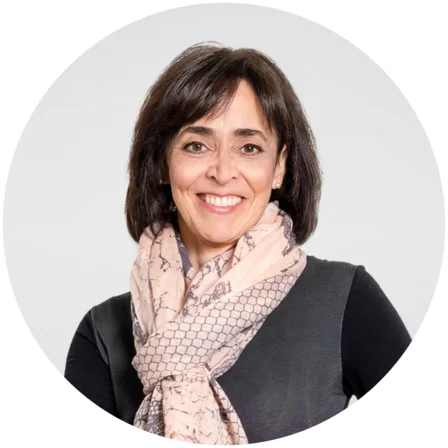
"In 45 years, the SATW has built up a network that brings together science, business, politics and society. This is not an end in itself - it is the prerequisite for ensuring that technological expertise gets to where it is needed."
Dr Esther Koller-Meier, Secretary General SATW"45 years of SATW" also means 45 years of knowledge transfer. The Technology Outlook is a prime example of this: the platform highlights which technologies are of strategic importance for Switzerland as a business location - from quantum computing and bioplastics made from waste to synfuels. National trends, future-relevant technologies and specific practical examples from research and industry are closely interlinked and influence each other. Helping to shape technological change means taking responsibility. This requires anticipation and early recognition of changes as well as the knowledge and capabilities to be able to react appropriately. The SATW supports stakeholders in science, business and public administration in this process thanks to its early technological recognition, the resulting studies and the creation of dialogue formats.
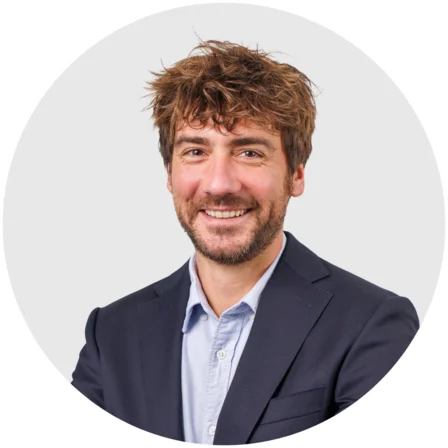
"Anyone who only recognises technological developments when they change the economy and society has missed the crucial moment. The Technology Outlook helps to recognise and classify signals at an early stage - so that Switzerland acts rather than reacts."
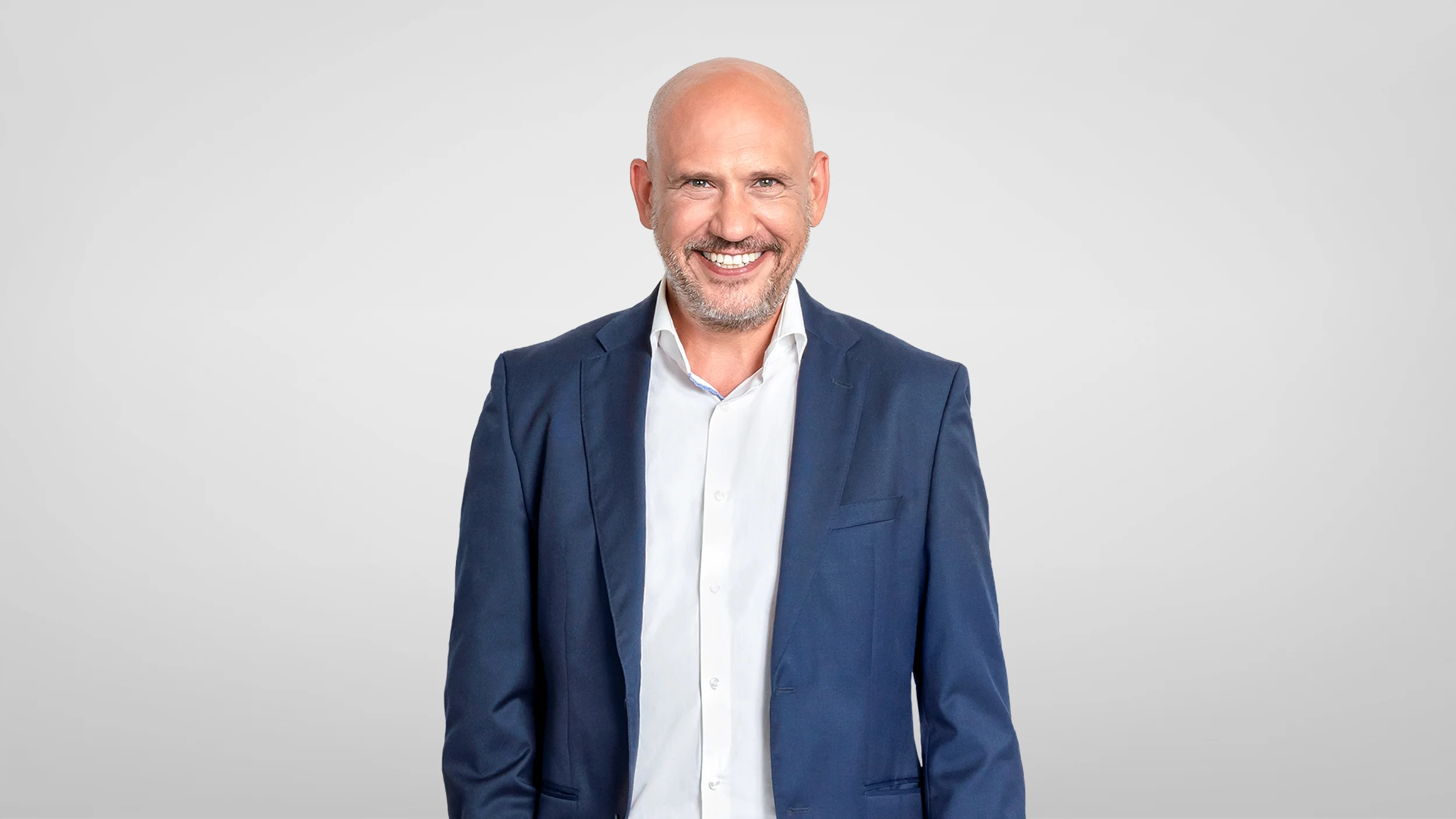
Dr Tobias Schlegel, Head of Tech Intelligence SATWA highly technologised society needs people to help shape it. The SATW starts where enthusiasm for technology is born: early and in practice. The TecDays programme at Swiss secondary schools immerses young people in interactive STEM modules for a whole day. The Swiss TecLadies mentoring programme accompanies girls and young women on their way into technical professions. The technology magazine Technoscope offers teachers a practical accompanying medium for lessons. Anyone looking for extracurricular STEM activities — whether as a parent, teacher or out of sheer curiosity — will find hundreds of workshops, exhibitions and learning locations for all age groups on educamint.ch.

"Technical professions are central to Switzerland's future - and at the same time we face the challenge of recruiting enough young people for them. That's why it's important to reach young people at an early age and make technology understandable to them. Technology must not be seen as an abstract school subject, but as a force that shapes our future."
Edith Schnapper, Head of Junior Researcher Development at SATWWhat the first SATW President Heinrich Ursprung called the "phase of challenge" in 1981 has materialised. One of the major social issues of the coming decades will be healthy ageing. Switzerland is one of the countries with the highest life expectancy in the world. But a longer life does not automatically mean a better life. Chronic illnesses, cognitive impairment and social isolation pose growing challenges for healthcare systems. At the same time, developments in biosensor technology, personalised nutrition and neurotechnology are opening up new ways of maintaining vitality throughout the entire lifespan.
The SATW 2026 annual congress on 21 May at the Campus Est USI-SUPSI in Lugano-Viganello is dedicated to precisely these questions. Researchers from the fields of biology, medicine and engineering will join experts from business and society to discuss the role that technology, nutrition and prevention can play.
To the SATW 2026 annual congress
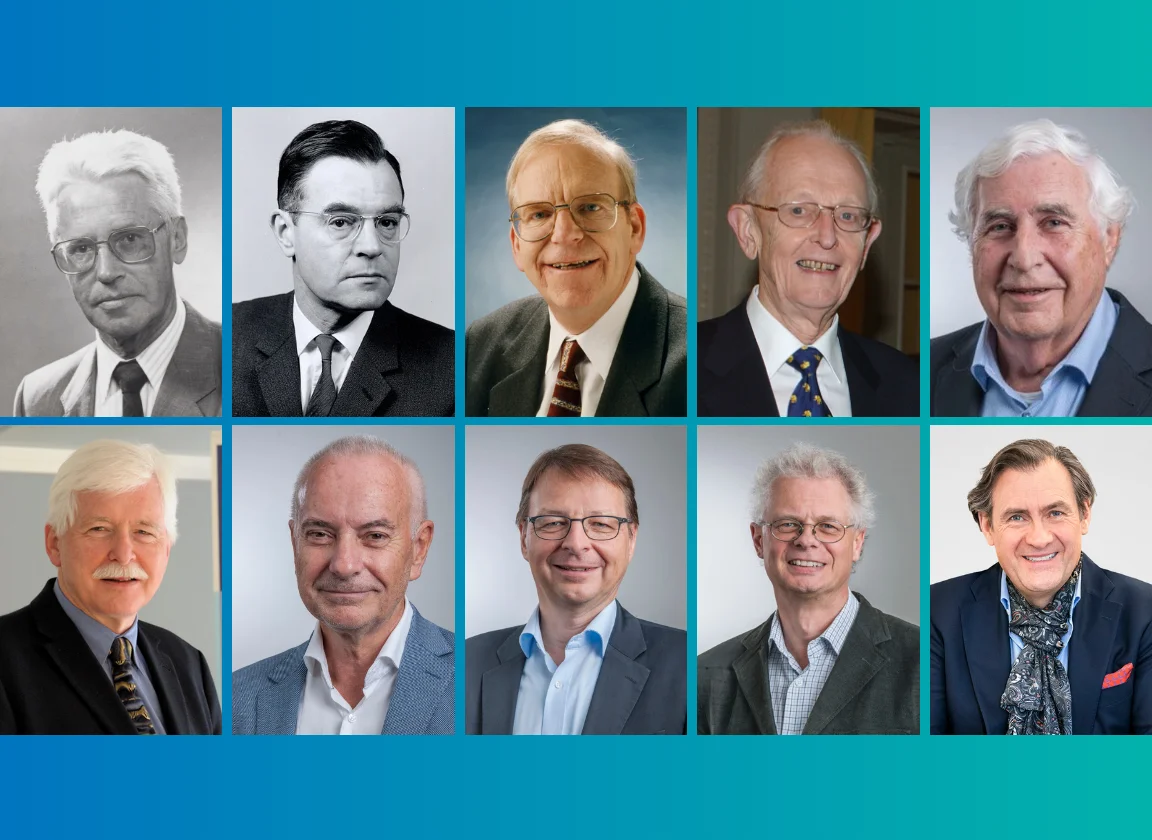
Over four decades, different personalities have shaped and developed the SATW. They have all contributed to making the Academy an established and respected institution today - both nationally and internationally.
The founding idea has remained constant throughout: not to view technology in isolation, but in relation interaction to society, business and politics. In an era of profound technological transformation, this perspective is more important than ever.
Even after 45 years, the SATW's mission remains highly topical. The major challenges of our time - from energy supply and climate change to digital transformation - call for sound technical knowledge and an open dialogue with society.
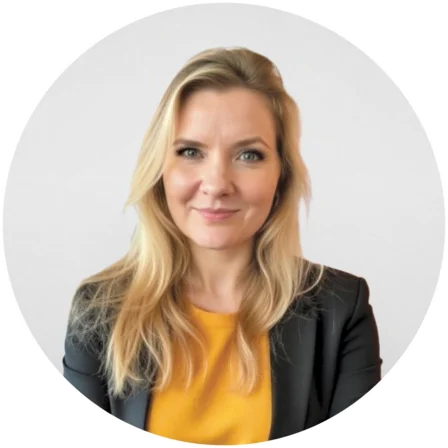
"45 years is a reason to pause for thought - but above all a reason to look ahead. With our work, we want to show that technical sciences do not take place in an ivory tower, but in the centre of society."
Annika Müller, Head of Communication and Marketing SATW"Speiser, Ambrosius P. (1922-2003)", Photographer: Unknown, ETH-Bibliothek Zürich / E-Pics Bildarchiv online(DOI), Wikimedia Commons, Licence: CC BY-SA 4.0.
"Ursprung, Heinrich", Photographer: Unknown, ETH-Bibliothek Zürich / E-Pics Bildarchiv online(DOI), Wikimedia Commons, Licence: CC BY-SA 4.0.
"Jean-Claude Badoux", photographer: Alain Herzog, Wikimedia Commons, licence: CC BY-SA 4.0.
Willi Roos (President 1999-2005), René Dändliker (2005-2011), Ulrich W. Suter (2011-2017), Willy Gehrer (2017-2021), Christofer Hierold and Peter Seitz (Co-Presidency ad interim 2021-2022). Source: SATW.
All images have been edited and combined in the mosaic. The mosaic is available under licence: CC BY-SA 4.0.
| Role | Title + Name |
|---|---|
| Text by | Claude Naville |