Translated by an automated translation plugin.
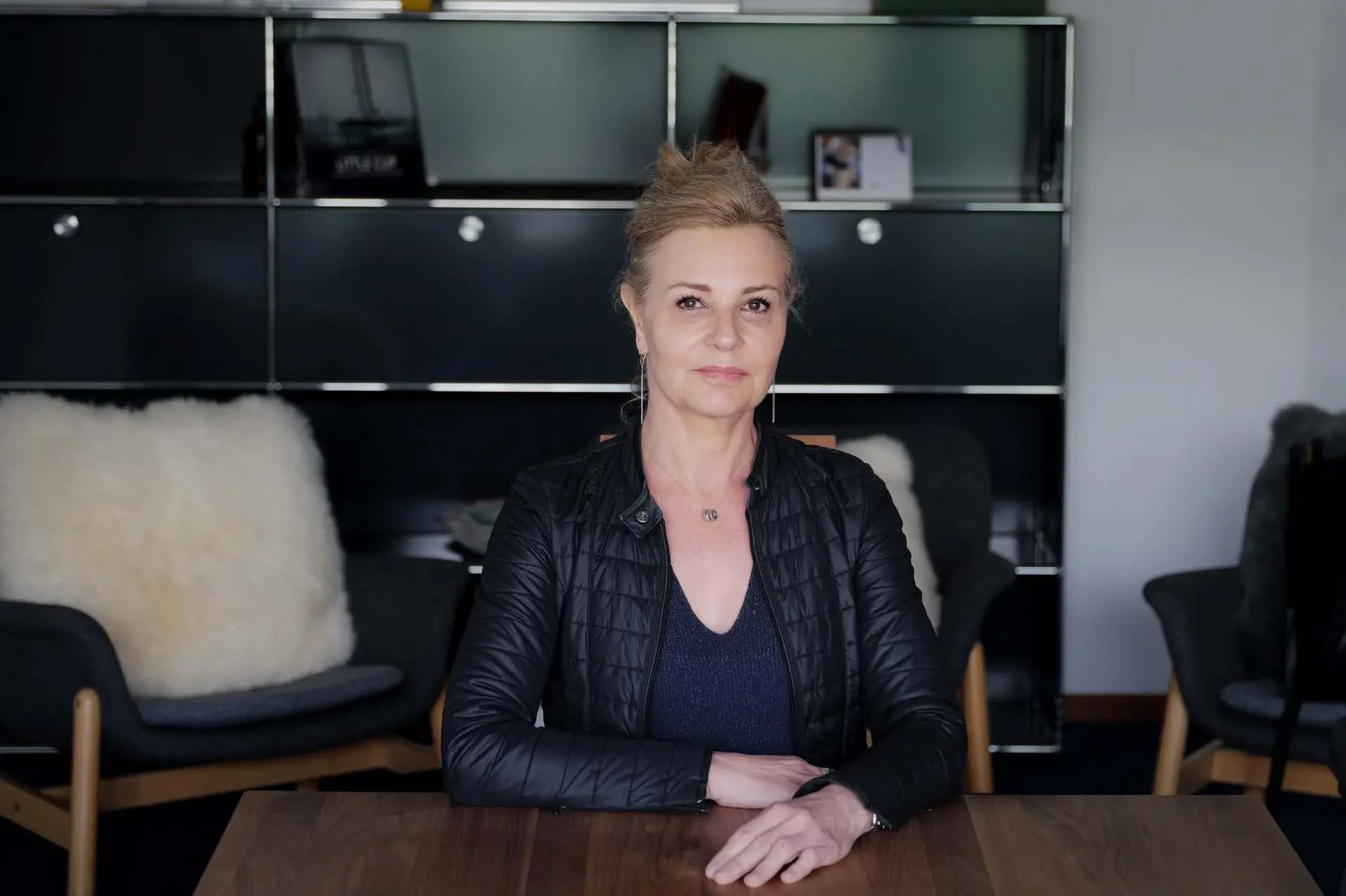
The connection between hearing and dementia is more biological than has long been assumed. The temporal lobe, which is responsible for processing what we hear, is heavily supplied with blood. If hearing performance declines, blood flow in this region also decreases. This favours the accumulation of harmful proteins that are typical of Alzheimer's disease. Conversely, targeted stimulation of the auditory system can promote blood flow and support the removal of these deposits. This was explained by neurobiologist Anne-Lise Giraud, Director of the reConnect Institute at the Institut Pasteur, ahead of a specialist event taking place on 22 April at the Campus Santé of the Hôpital de La Tour in Geneva, organised in partnership with the SATW.
A promising approach is being pursued at her institute: stimulation with so-called harsh sounds. These are unpleasant to listen to, but activate the entire brain. They have already shown positive effects in animal experiments. Clinical studies on humans are still in the early stages, as the specific acoustic stimuli are still being patented.
Giraud also expressly warns of the risks for younger people. Those who develop hearing damage at an early age increase their risk of dementia over their entire lifespan. At birth, each ear has around 15,000 hair cells, the loss of which is irreversible. The fact that sounds are compressed in modern music and video calls is particularly problematic. This eliminates the resting phases for the auditory synapses and impairs the ear's natural protective reflex. The researcher advocates a quality label for headphones that reproduce less compressed sounds, as well as hearing tests at concert venues, comparable to defibrillators in public places.
Her message is that today's hearing health is tomorrow's cognitive health.
Original article (subscription): Tribune de Genève - "Entendre mal augmente le risque de maladie d'Alzheimer " - Interview with Anne-Lise Giraud by Caroline Zuercher, 17 April 2026.
This news is published as part of the theme month "Health, Innovation and Competitiveness", which takes place in the run-up to the SATW 2026 Annual Congress (21 May, Lugano).