Translated by an automated translation plugin.
Industrial sectors such as organic chemistry, which are absolutely dependent on carbon as a raw material, need alternative sources to replace fossil raw materials such as crude oil. The most important solutions are recycling and the utilisation of renewable biomass or captured CO₂ . The SATW is shedding light on this topic in a series of forums and publications.
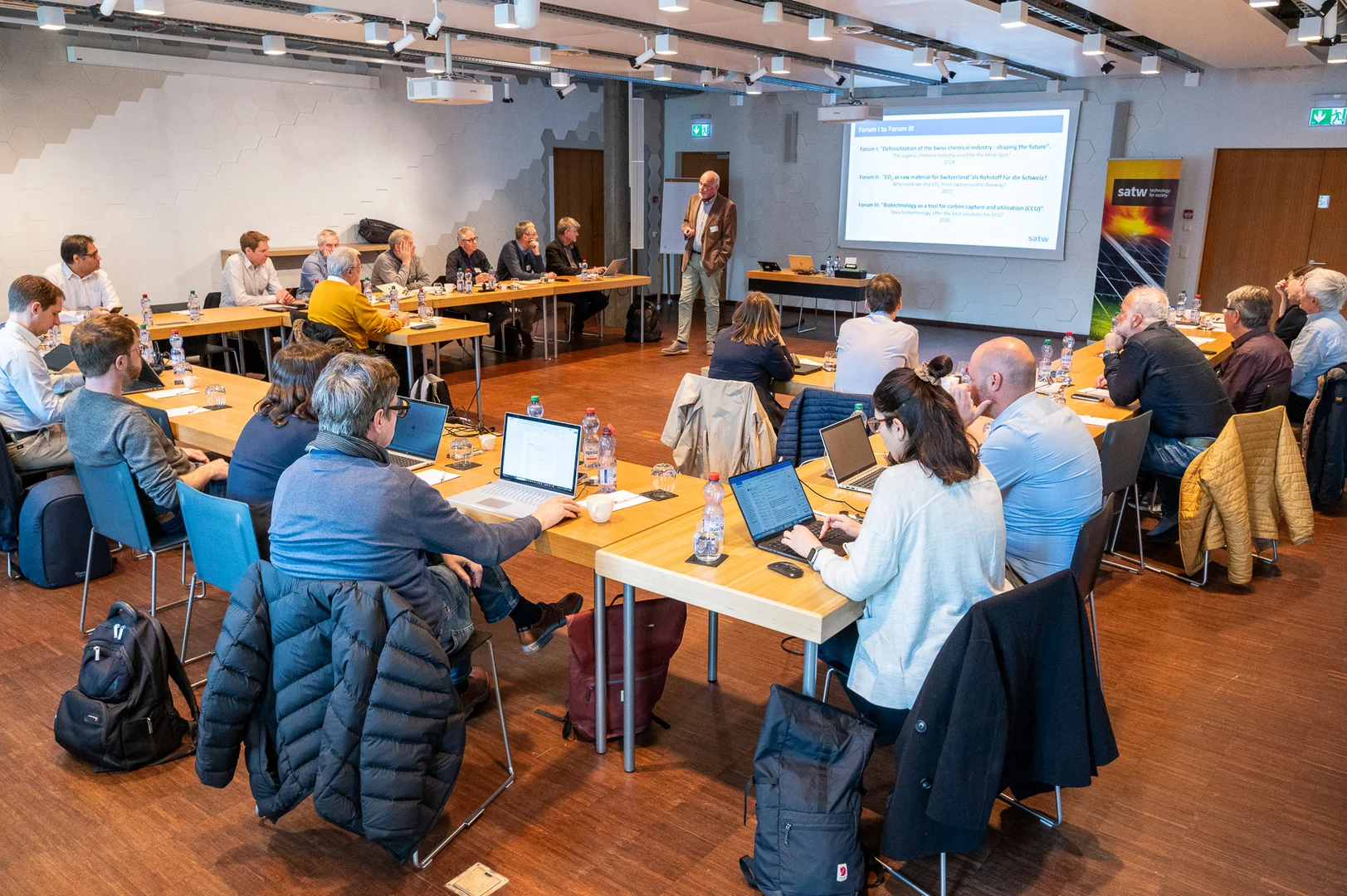
The first forum in 2024, entitled "Defossilisation of the Swiss chemical industry - shaping the future", was dedicated to the question of whether the organic chemical industry might represent a blind spot in the current discussions on defossilisation. While polymer production is currently compensating for the decline in demand for fossil resources, the long-term security of raw material supply remains a critical issue for the chemical industry. However, the transition away from fossil raw materials is expected to be gradual.
In the same year, the Federal Council signed a declaration of intent with Norway to cooperate on the implementation of carbon capture and storage (CCS). This development raised questions about the possible use of CO₂ in Switzerland instead of storing it abroad and led to a second forum in 2025 entitled "CO₂ as a raw material for Switzerland". A key conclusion was that carbon capture and utilisation (CCU) remains a challenge, mainly due to its high energy requirements. However, the discussions made it clear that biotechnology could indeed represent one of the most promising technological paths for CCU.
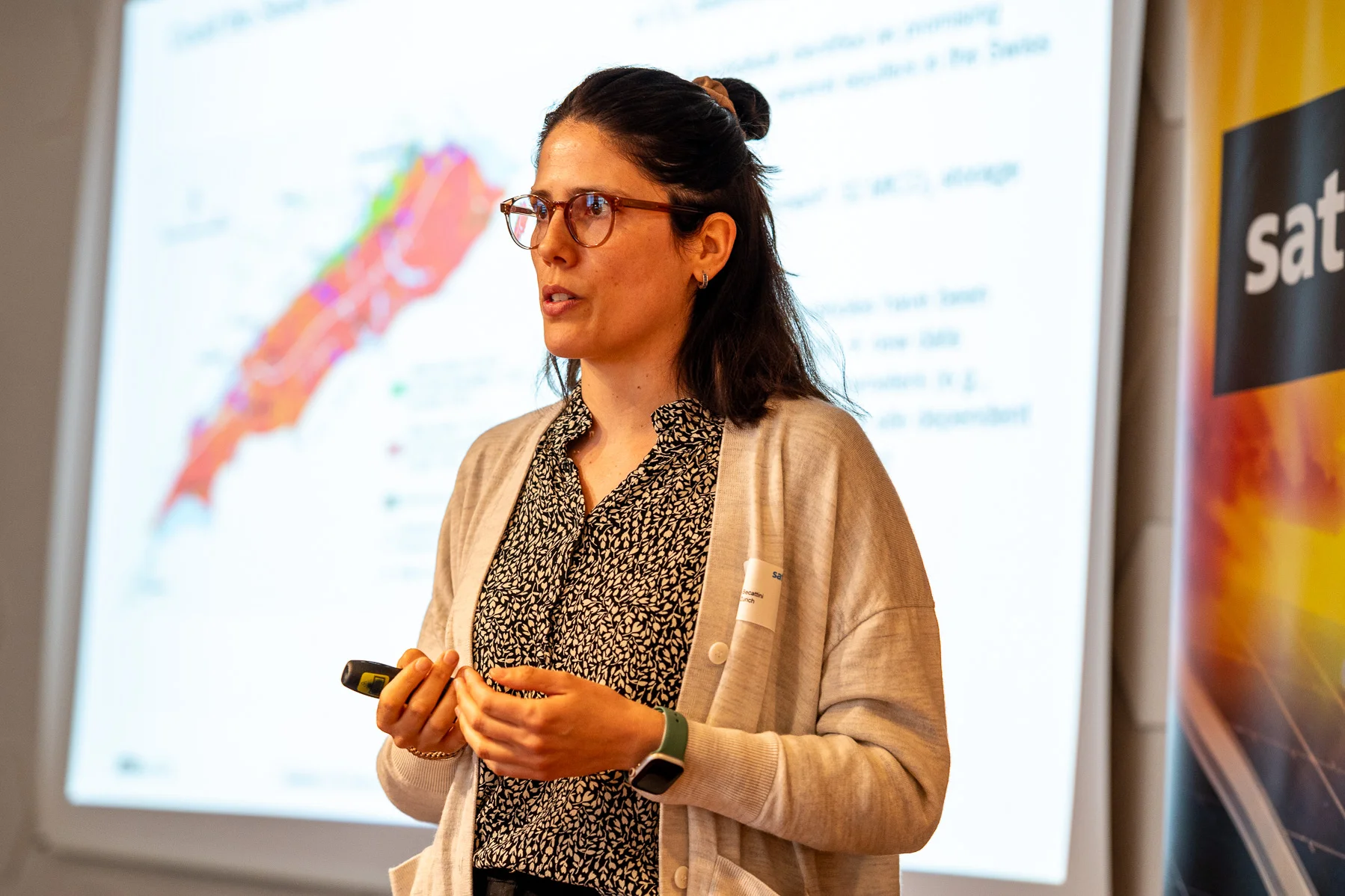
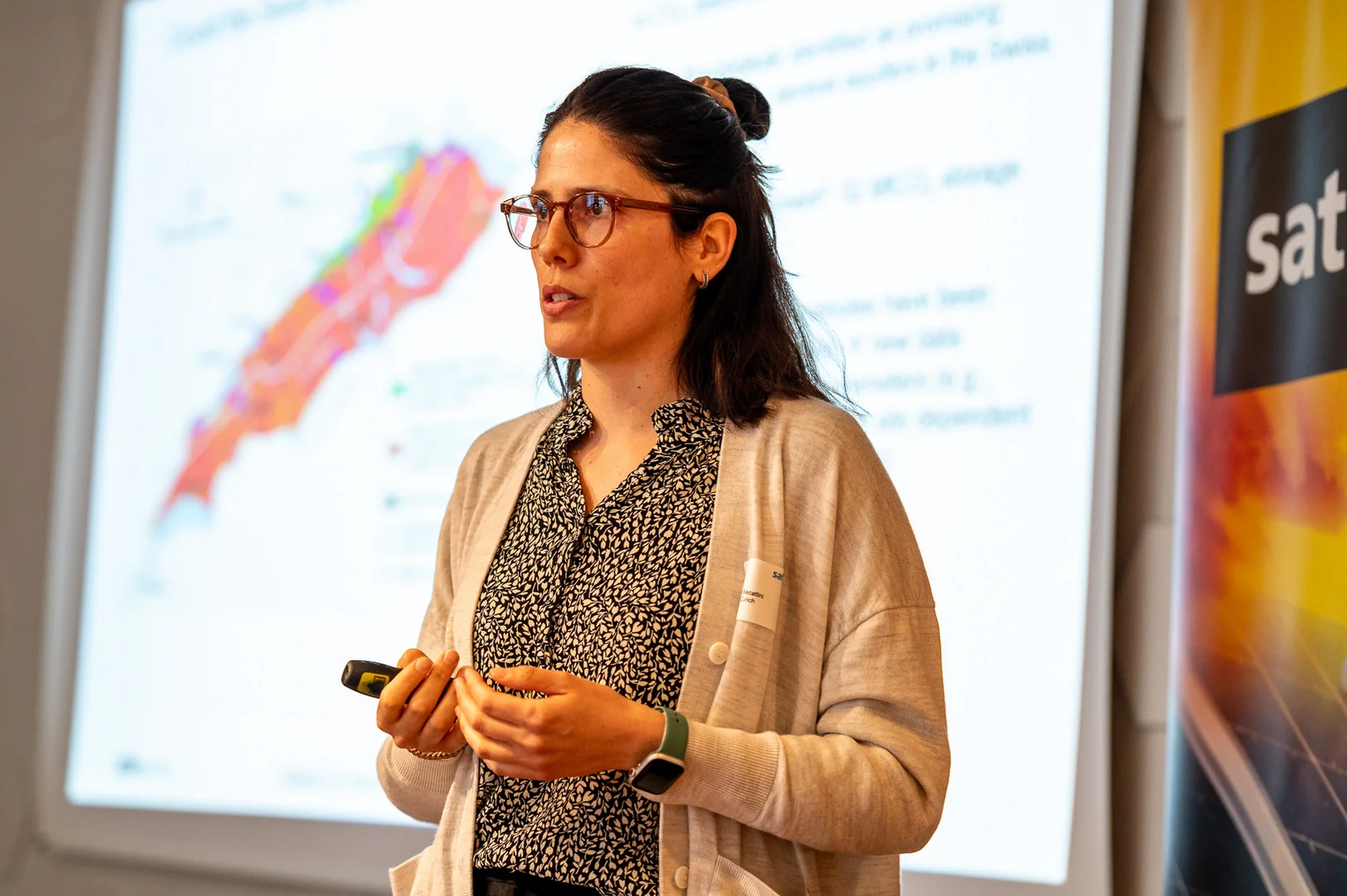
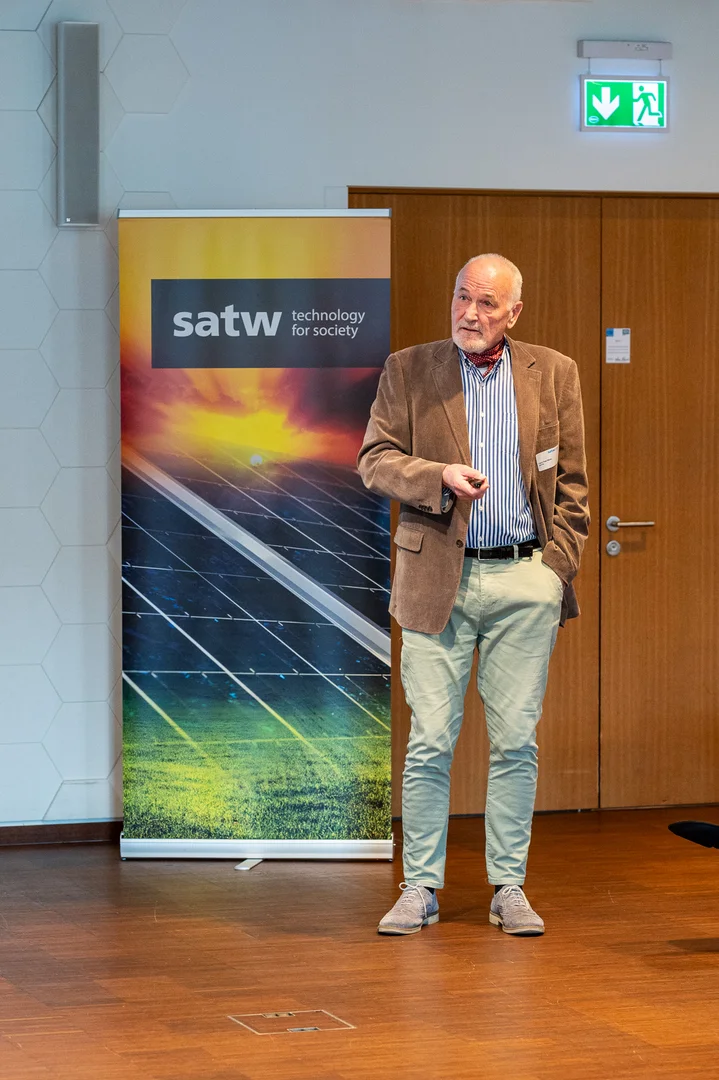
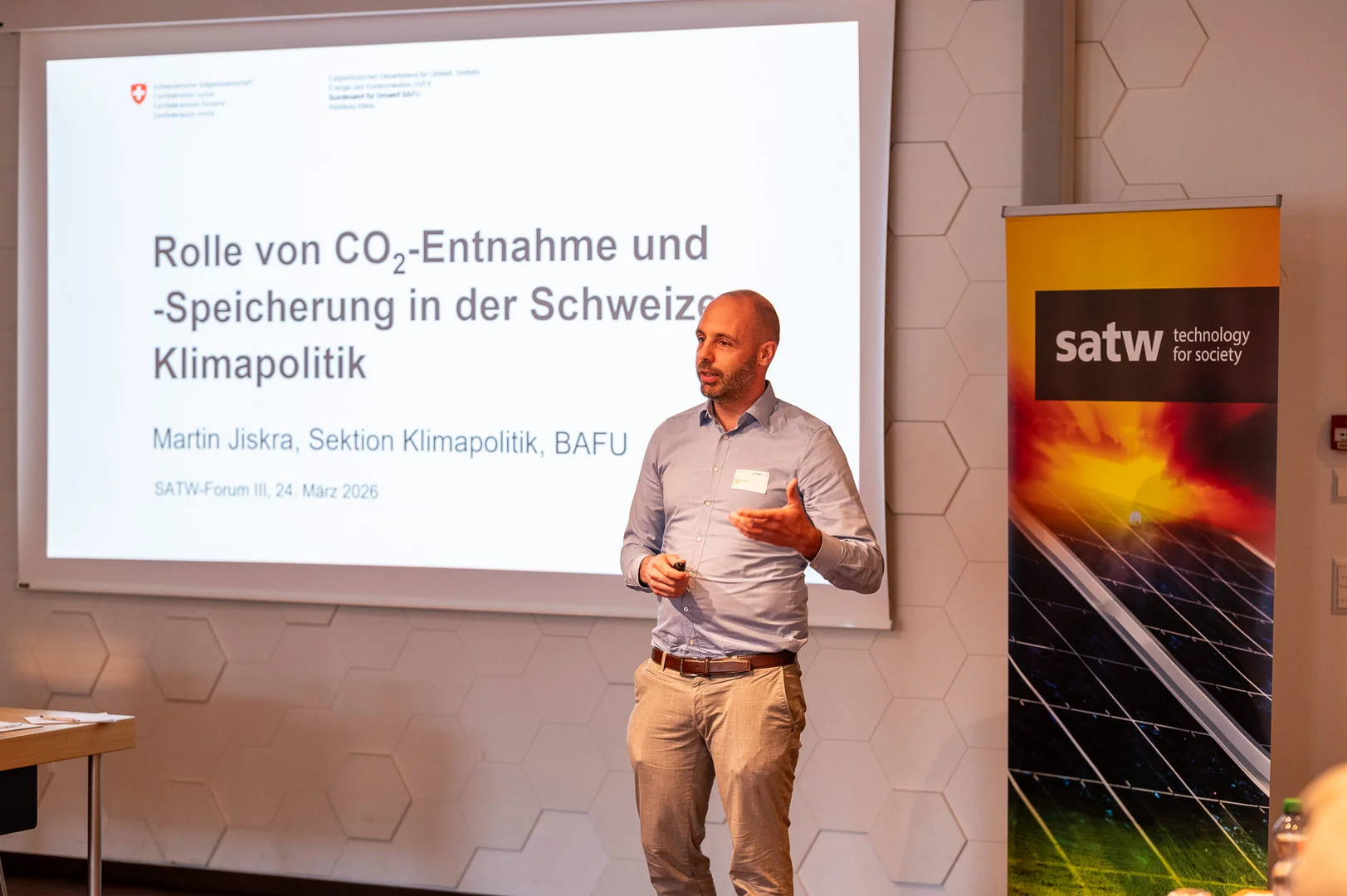
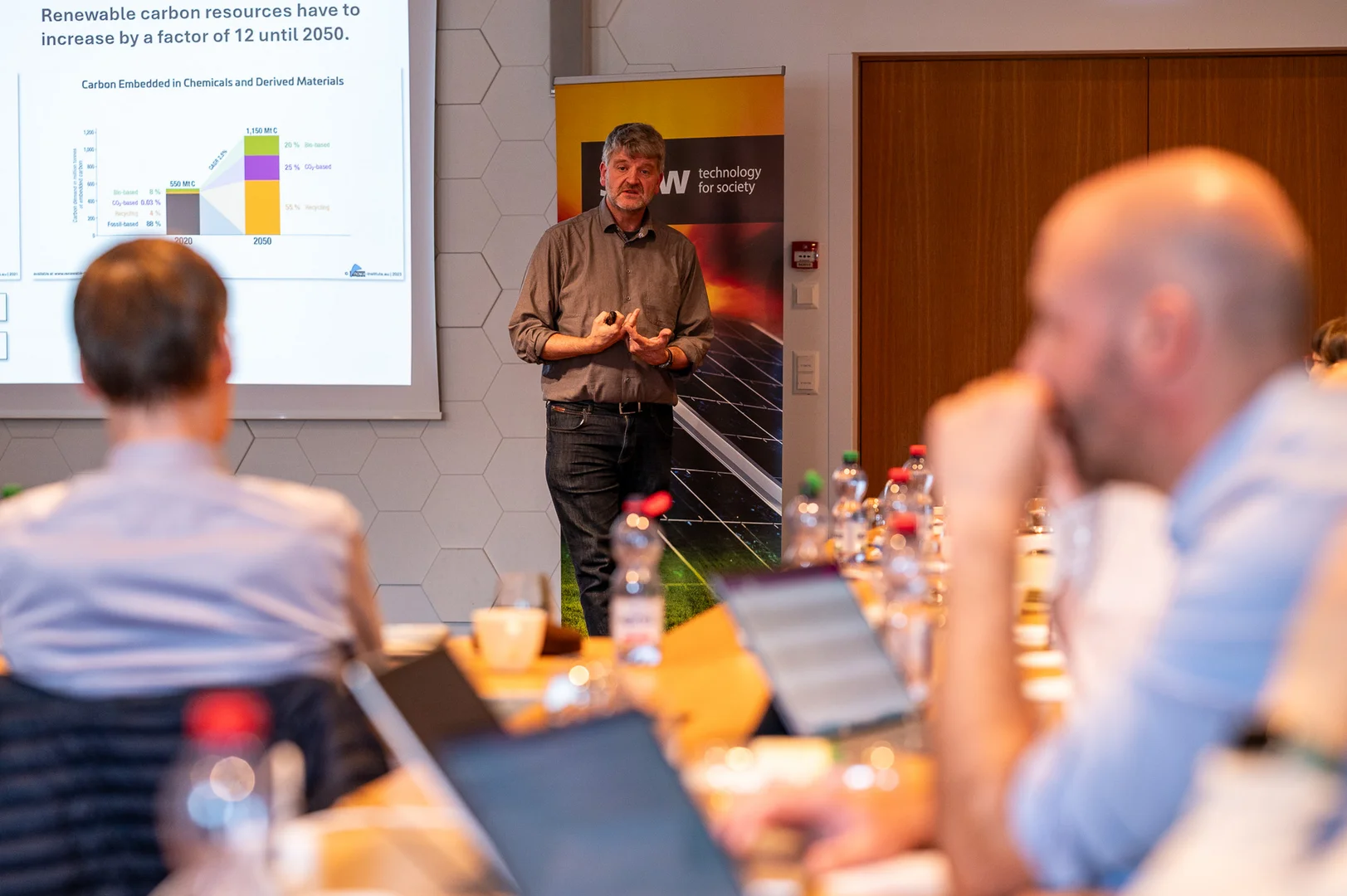
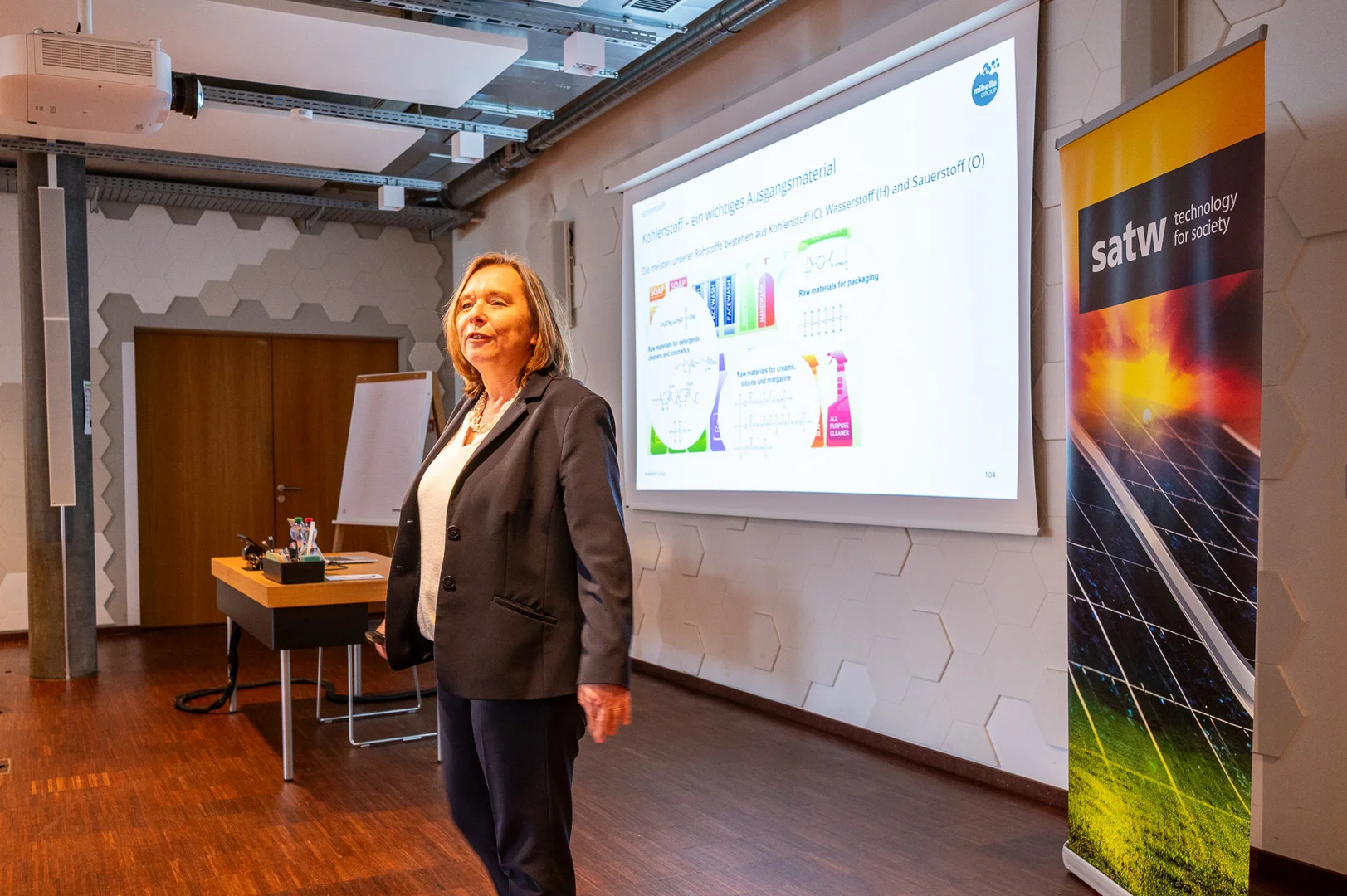
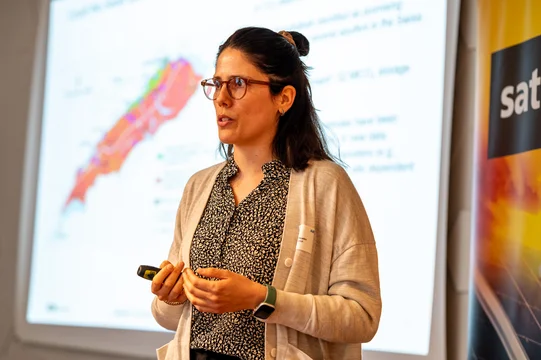
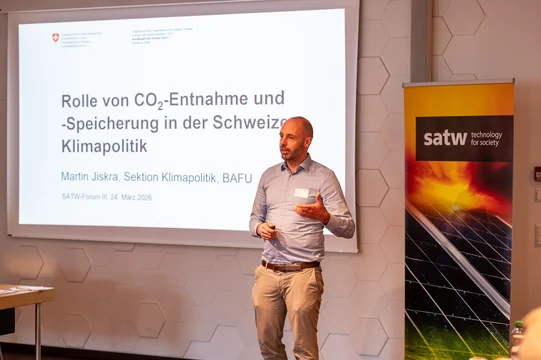
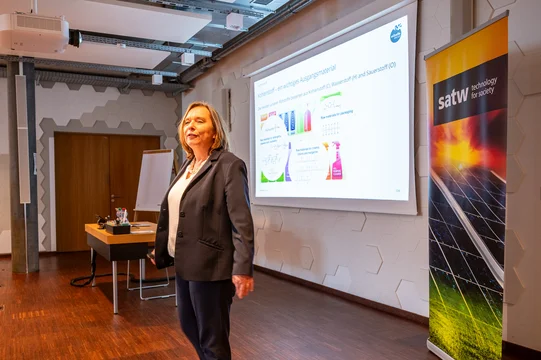
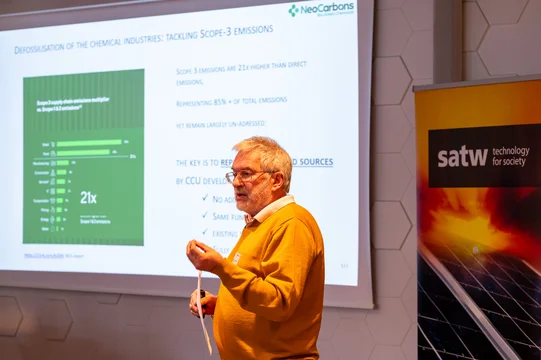
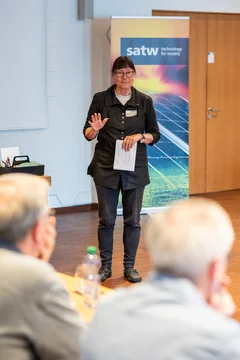
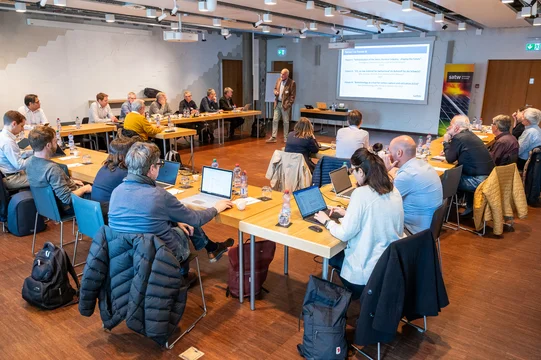
The third forum on defossilisation on 24 March 2026 aimed to discuss the promising potential of industrial biotechnology for carbon capture and utilisation in more detail. Entitled "Biotechnology as a tool for carbon capture and utilisation (CCU)", the event brought together around 30 experts from fields as diverse as the chemical industry, basic and applied research, finance and federal agencies. Hans-Peter Meyer, SATW Board Member and Head of the Biotechnology Platform, introduced the topic. Five keynote speeches represent different perspectives and approaches to solutions:
Finally, the participants discussed possible opportunities, challenges and approaches.
The use of fossil raw materials and CO₂ as a raw material in the chemical industry is not only important for achieving climate targets, but also for security of supply and reducing risks in supply chains. It is also an important step towards a circular and sustainable chemical industry. Case studies have shown that the use of captured CO₂ in combination with biotechnological processes is beneficial.
As Switzerland does not have a surplus of green energy to produce green hydrogen, photosynthetic microalgae and chemolithotrophic bacteria are currently the favoured choice to capture carbon and convert it into useful chemicals. Both approaches are under development and require adjustments in supply chains and chemical processes. It is therefore important to check that regulations and standards are state of the art. However, the potential of these biotechnological approaches has already been confirmed.
Attendees identified the opportunity to contribute to a move towards a circular economy as the greatest benefit that can result from defossilisation and the application of biotechnological processes for carbon capture and utilisation. Other important opportunities are that these solutions can be implemented in a decentralised manner, make a relevant contribution to CO2 reduction and resource efficiency and enable the development of new, innovative products. On the other hand, the costs and economic competitiveness compared to established alternatives as well as the complexity of the new biotechnological processes were named as important challenges.
In particular, there is a need for action to increase awareness and understanding of the importance of defossilisation in Swiss industry with the help of suitable information. This primarily concerns politicians and the companies concerned, but also the general public. Good framework conditions, financing and funding opportunities are crucial for the development and innovation of biotechnological CO2 utilisation. Finally, networking and dialogue between the relevant stakeholders should be further cultivated and expanded.


| Role | Title + Name |
|---|---|
| Text by | Rita Hofmann-Sievert |