In April 2026, Lausanne’s university hospital, the Centre hospitalier universitaire vaudois (CHUV), put a “Da Vinci Single Port” system into service at a cost of more than CHF 2.3 million, joining the Luzerner Kantonsspital (Lucerne’s cantonal hospital) in the small circle of Swiss hospitals equipped with this latest-generation surgical robot. And the technology keeps moving: robot generations succeed one another, and surgical robotics is no longer confined to university hospitals. The rationale: greater precision, shorter hospital stays, faster recovery, lower follow-on costs.
But how do we take on the challenge of deploying this promising — and costly — technology in our hospitals without losing sight of the fundamental question: how to make the most of the advances of surgical robotics while ensuring equitable access to care and efficient use of resources? Robot-assisted surgery promises a great deal, but its real benefit remains hard to quantify systematically. That is precisely the question addressed by a workshop hosted by the Swiss Foundation for Innovation and Training in Surgery (SFITS) in partnership with the Swiss Academy of Engineering Sciences SATW.
About 15 professionals accepted the invitation to Geneva, among them surgeons who operate with robotic assistance, hospital administrators and directors, representatives of Medtronic and Evidone, insurance experts from CSS and Groupe Mutuel, as well as a lawyer specializing in legal entities and a health economist and former state councilor. Together they represented the five key stakeholder groups of surgical robotics — known by the French shorthand “5P” (les cinq parties prenantes):
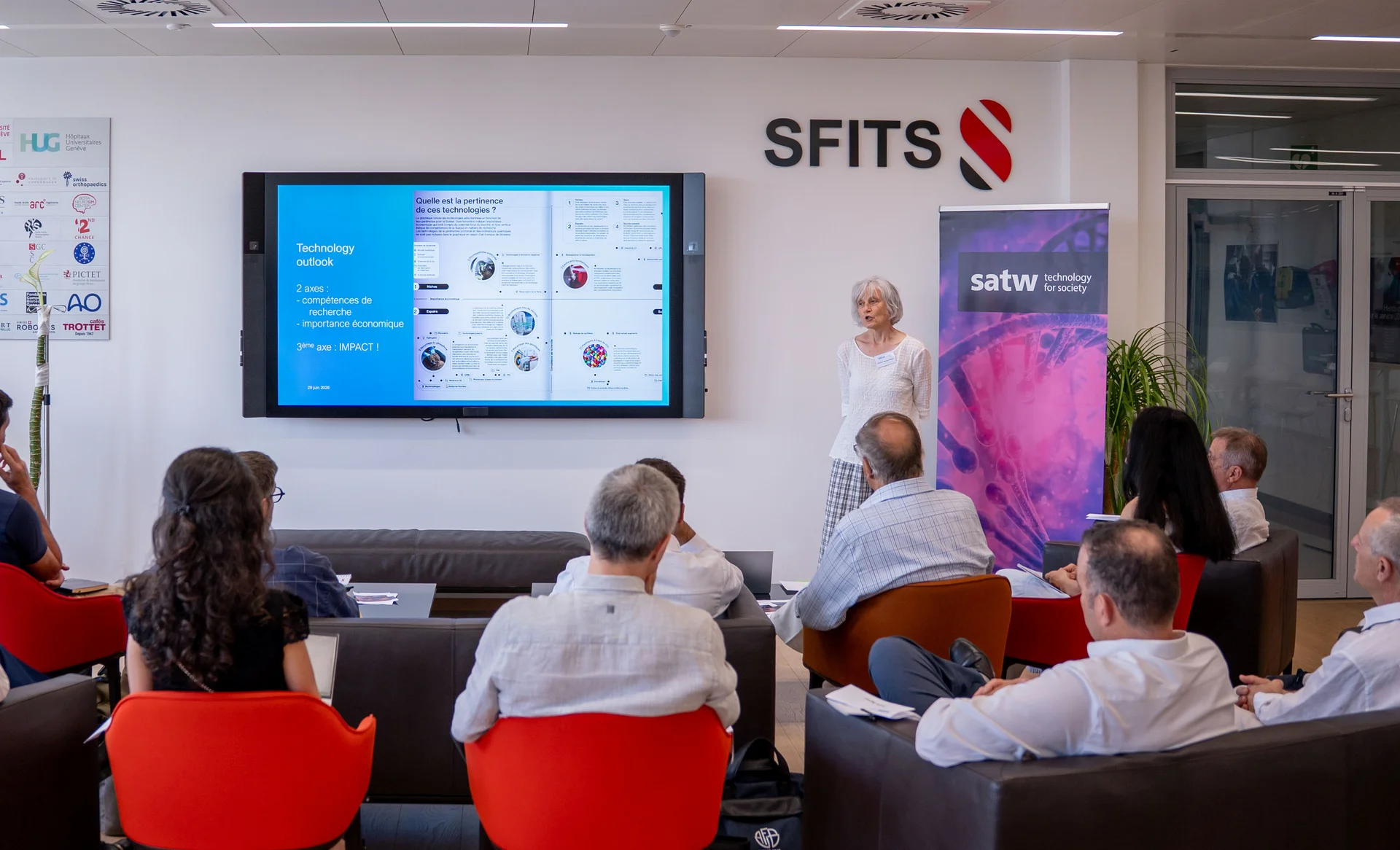
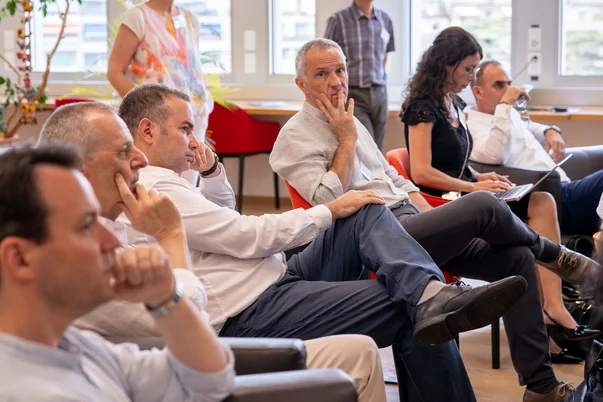
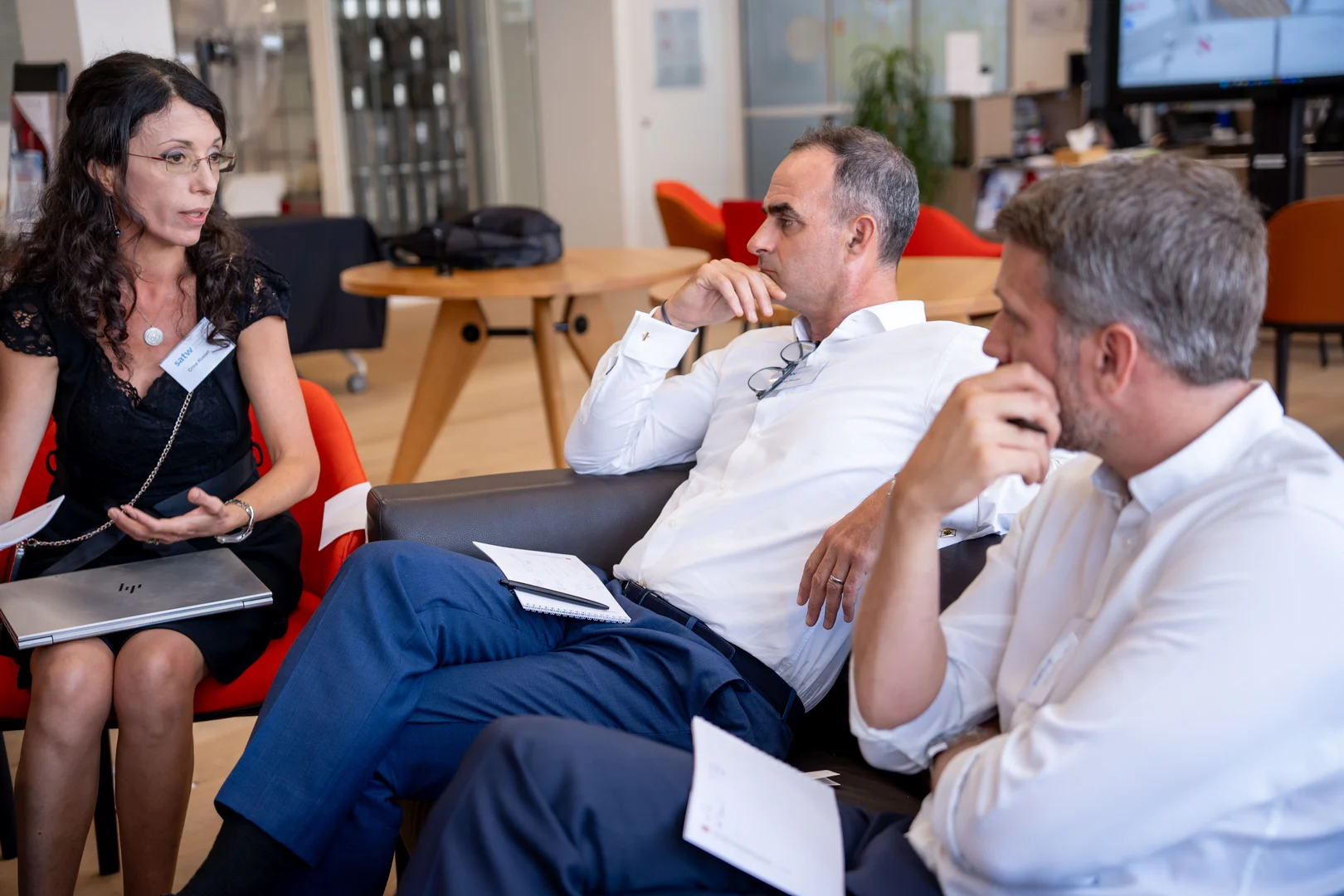
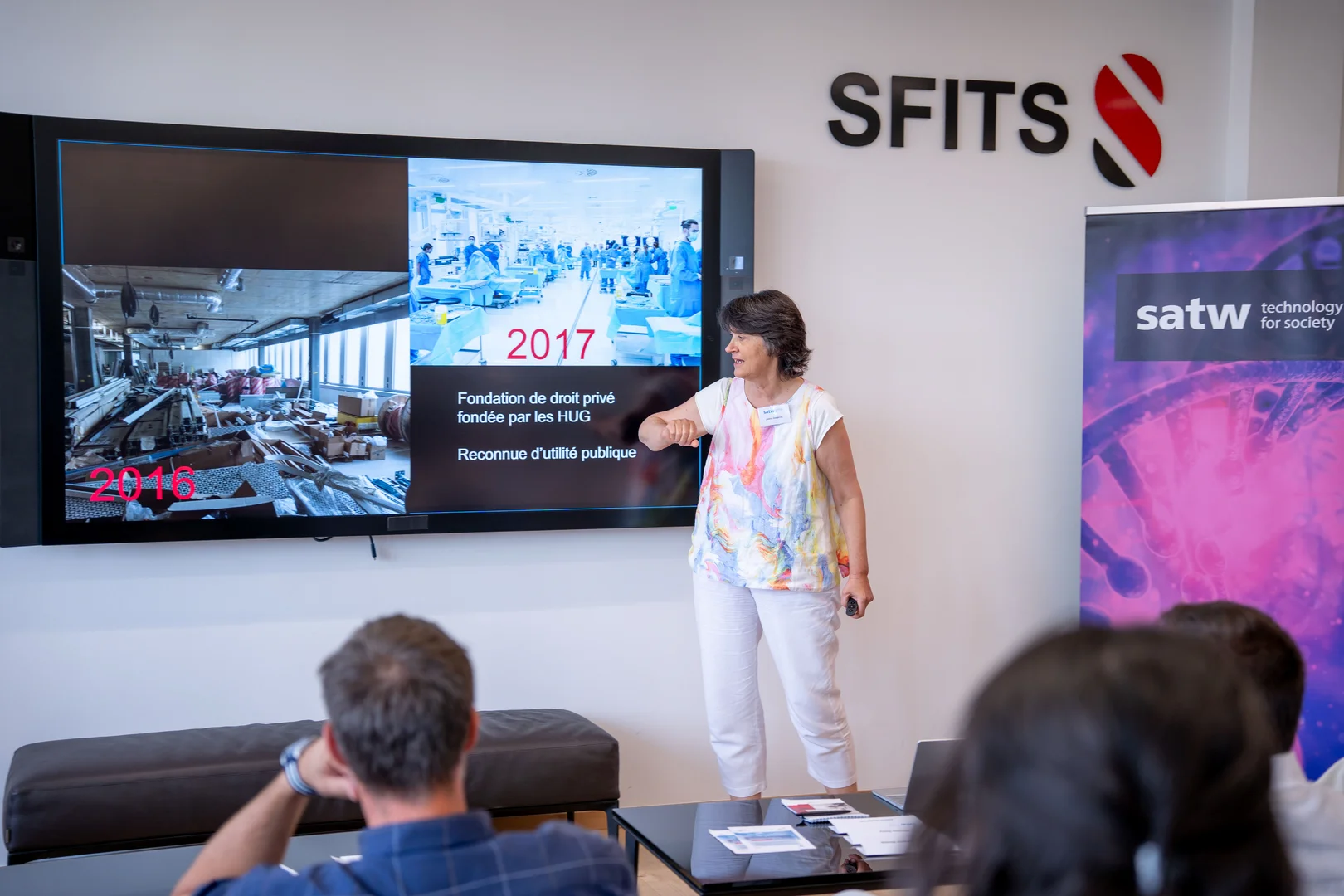
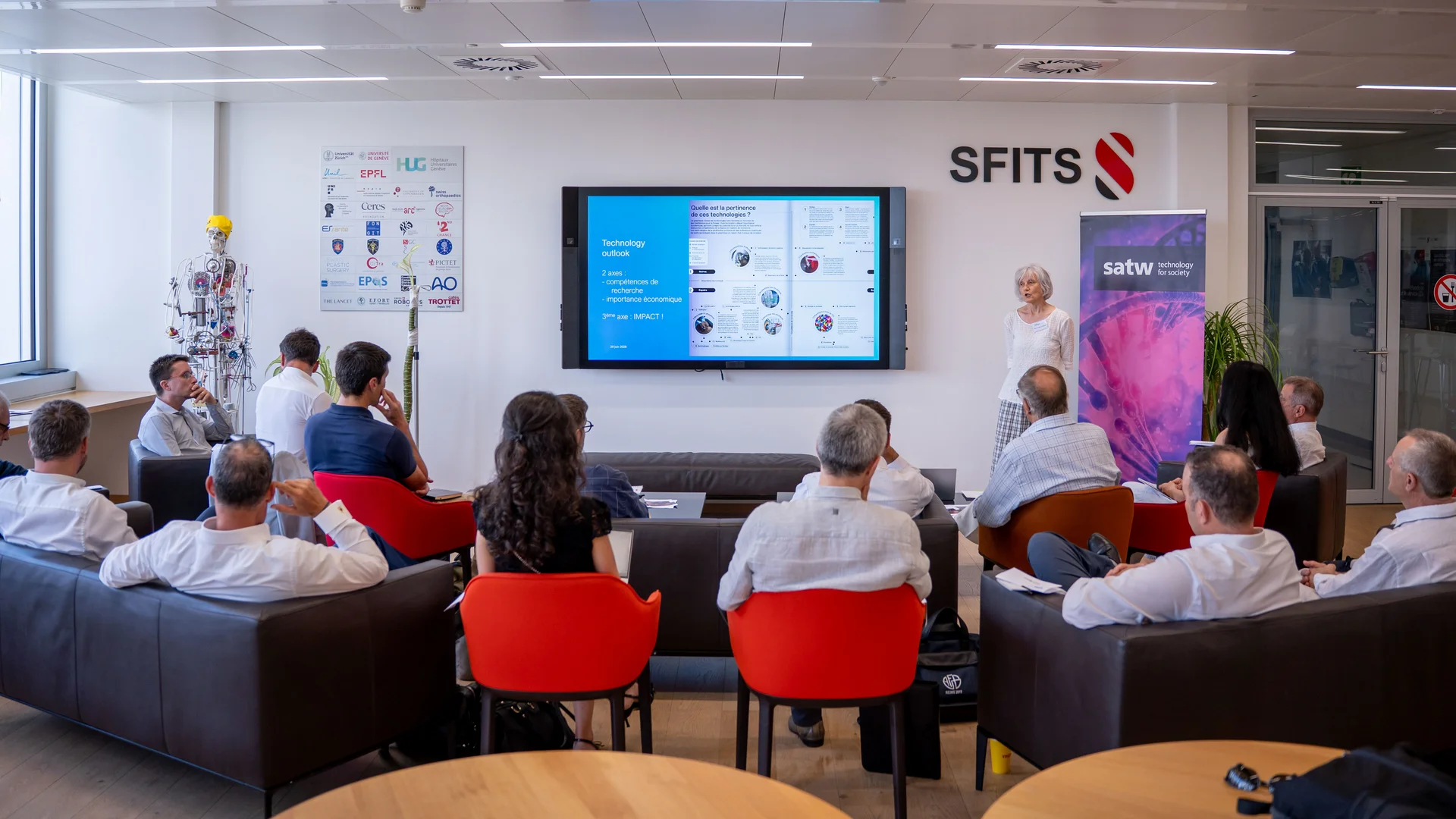
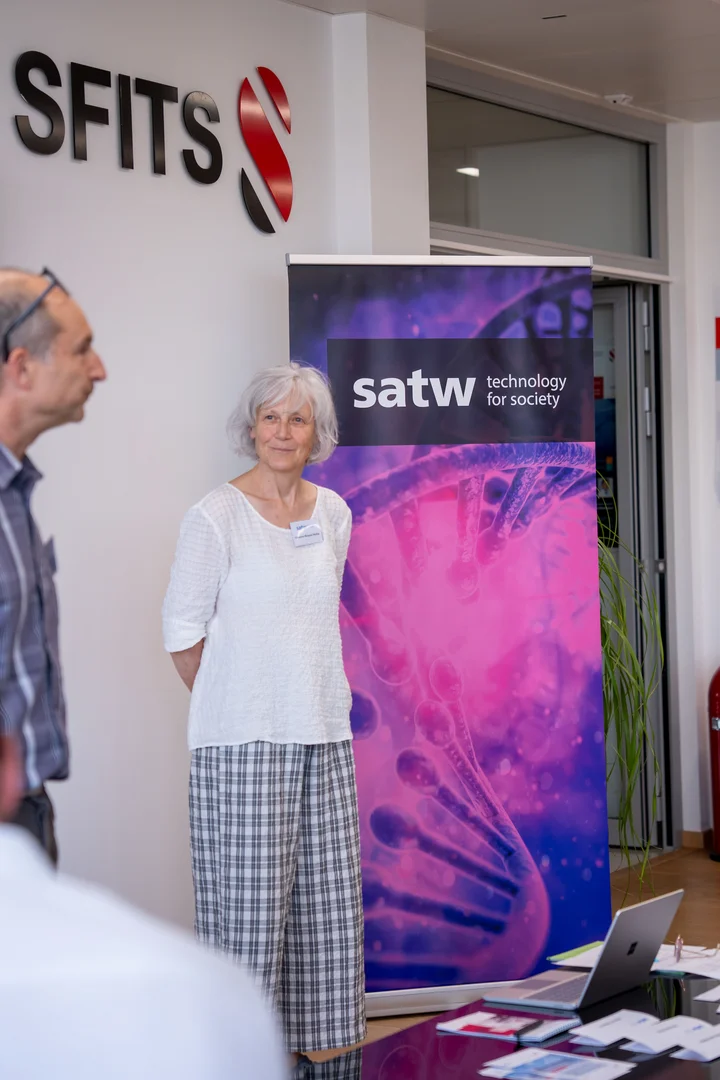
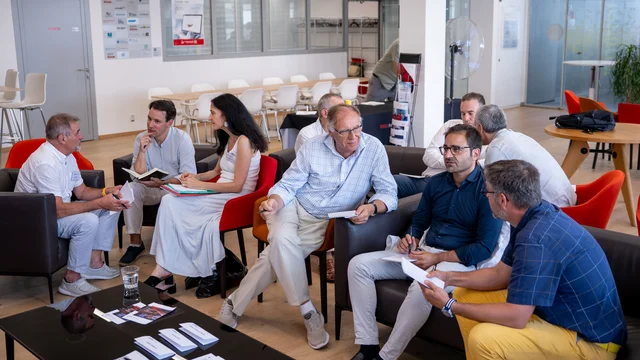
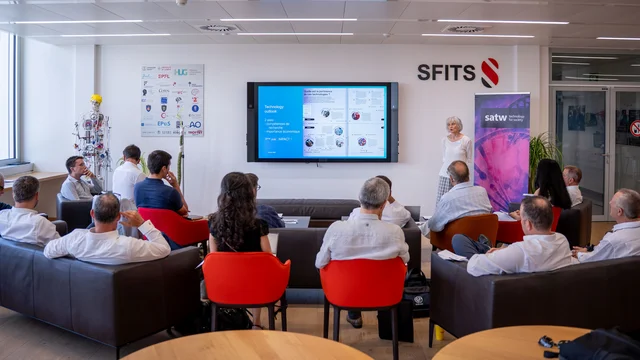
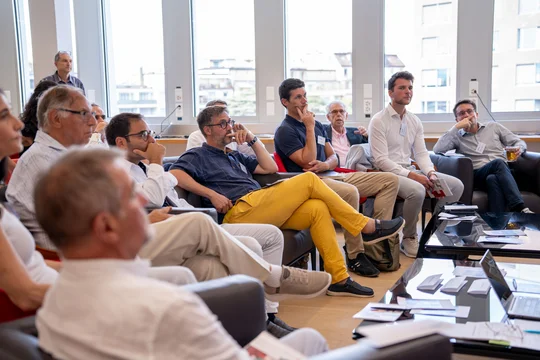
Professionals from medicine, industry, and policy follow the opening presentation.
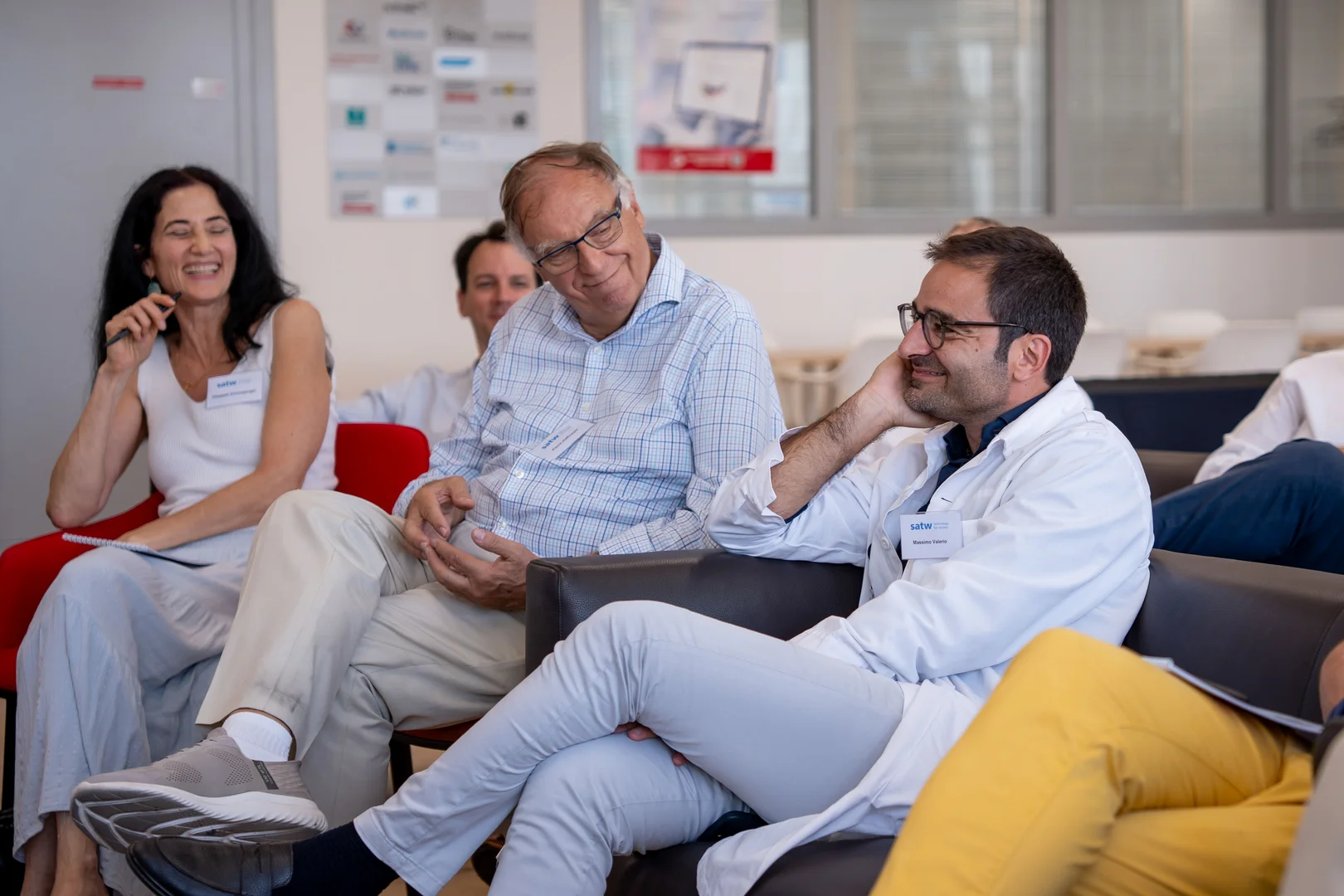
Nicolas Sicky (SFITS) moderated the workshop, deftly guiding the discussion through both working phases with a resolutely transdisciplinary approach.
In a first working phase in groups, each stakeholder group laid out its own reading of the positive and negative effects of deploying surgical robotics — from investment pressure and data-protection questions to the changing relationship between caregivers and patients and its effect on the human dimension. The result was a first map of the impacts, considerably more nuanced than the steady spread of robots through our hospitals might suggest.
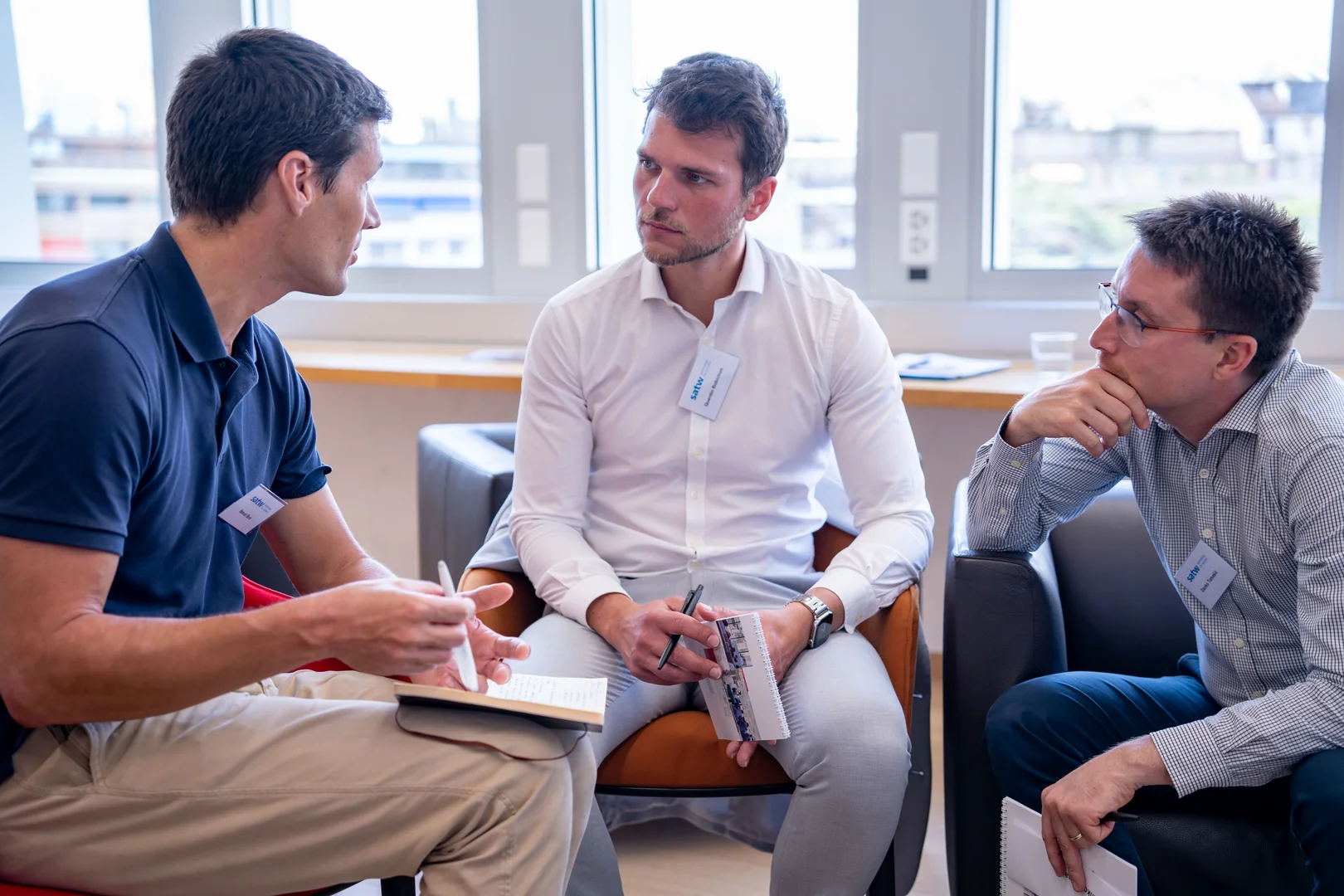
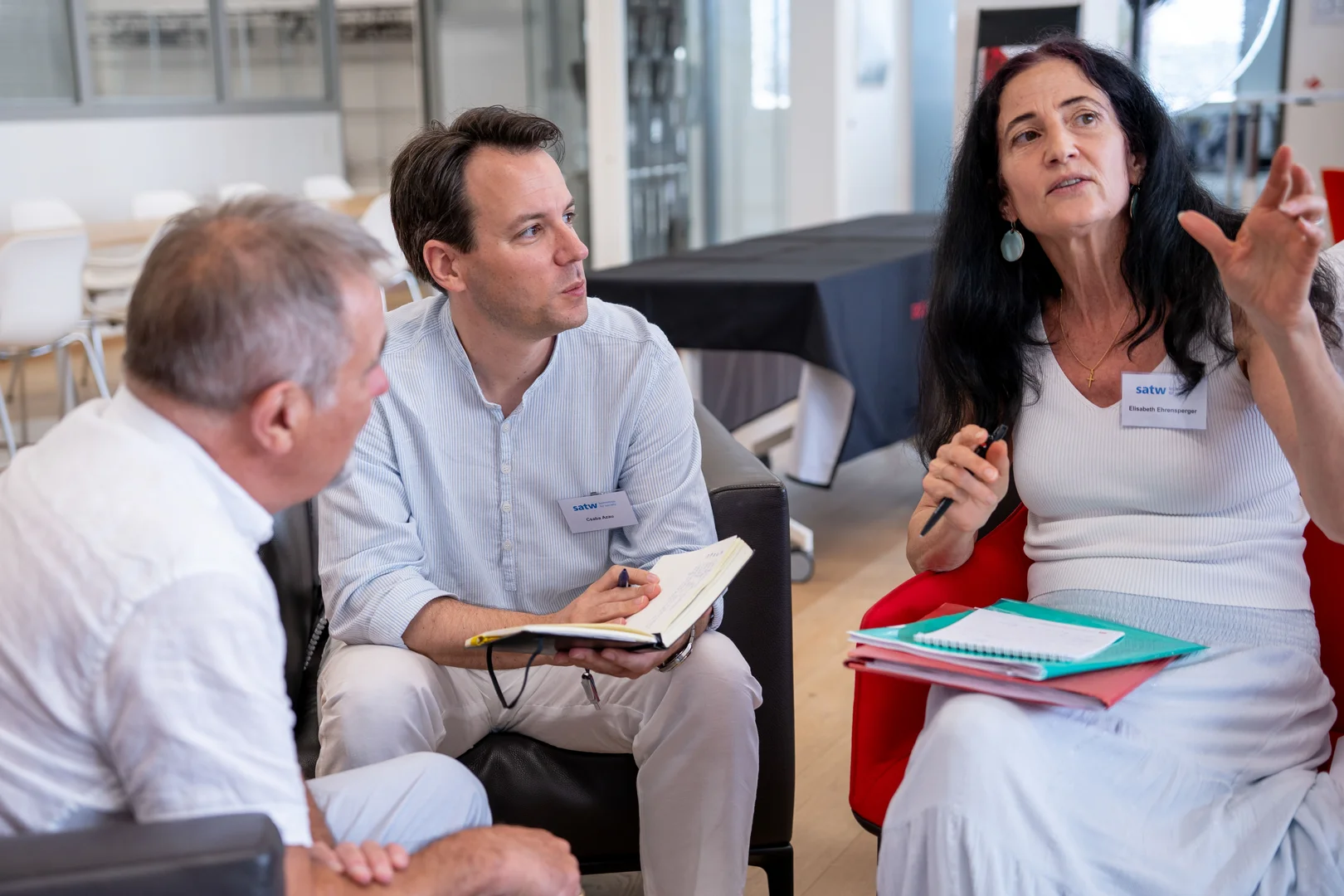
Lazare Benaroyo and Csaba Azau then brought these elements together on a plane of shared values, drawing on UNESCO’s Universal Declaration on Bioethics and Human Rights and on the method of the mathematician and philosopher Ferdinand Gonseth, whose “open philosophy” (also known as idoneism) holds that knowledge is never final but develops through ongoing dialogue among different points of view. On that basis, the participants continued their exchanges in small groups, working to surface the tensions the identified impacts are likely to create when the shared values are put into practice.

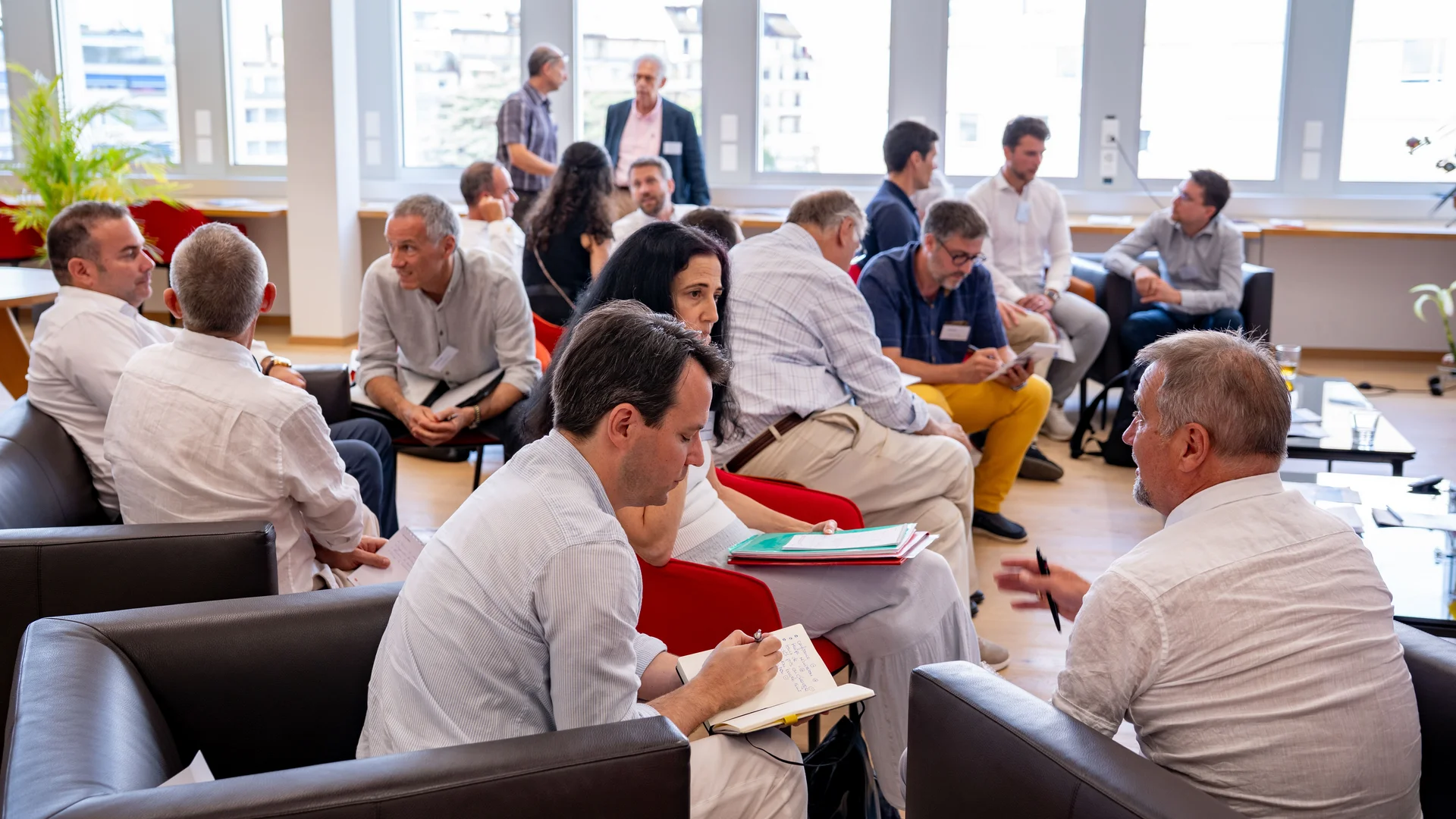
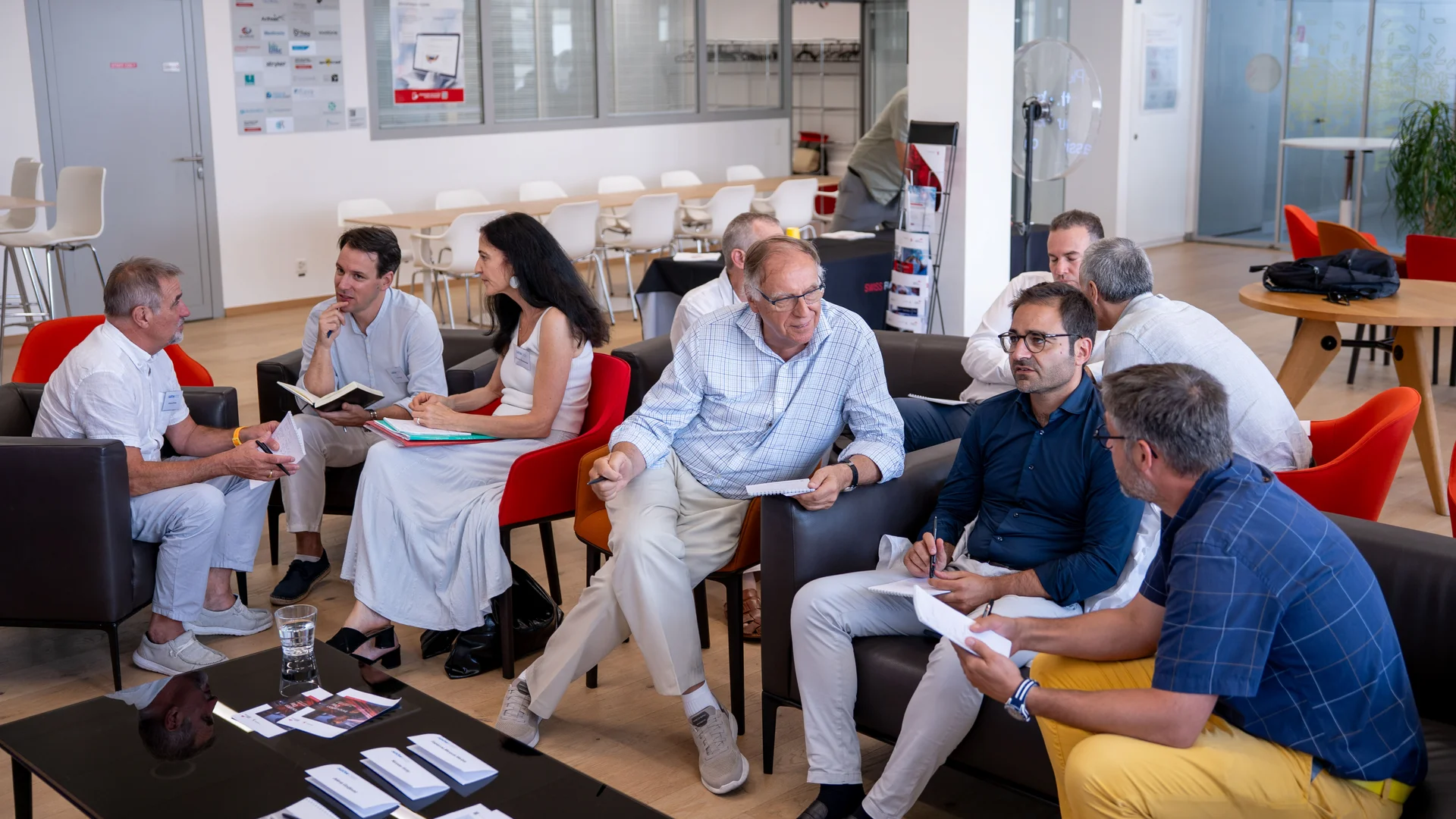
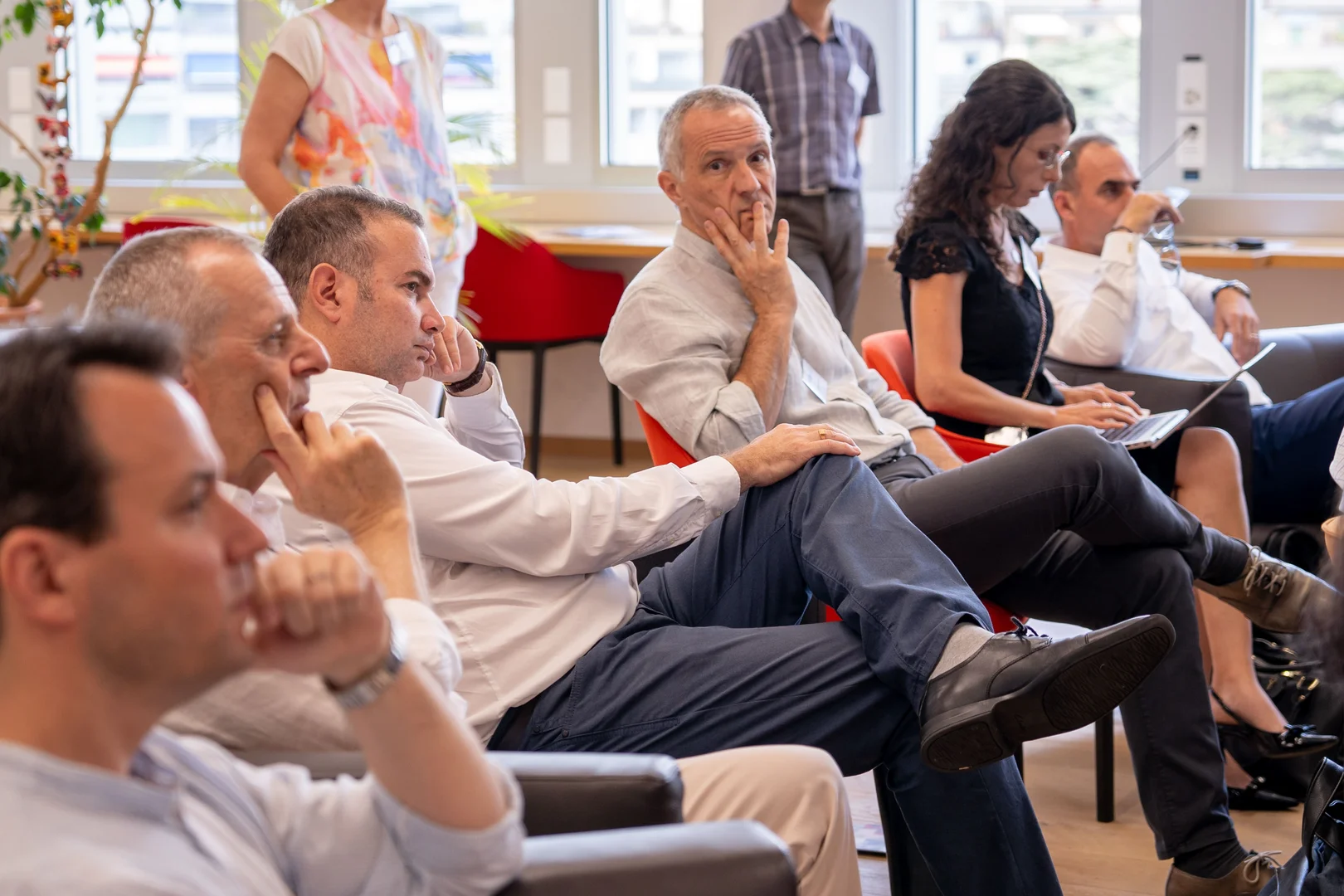
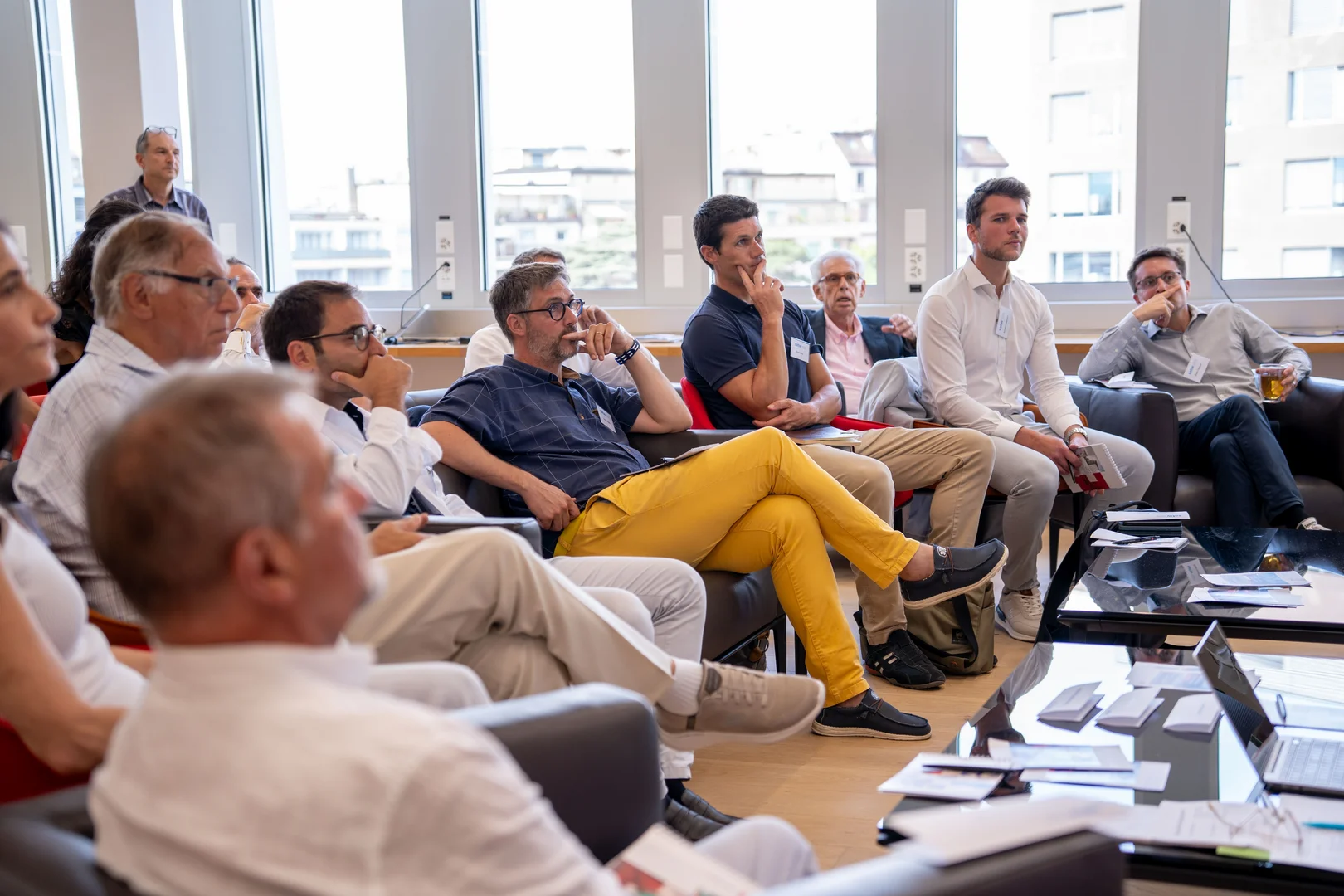
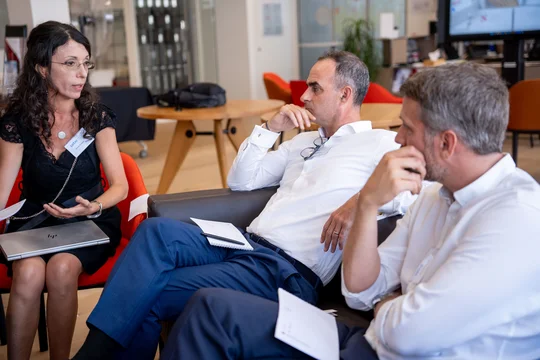
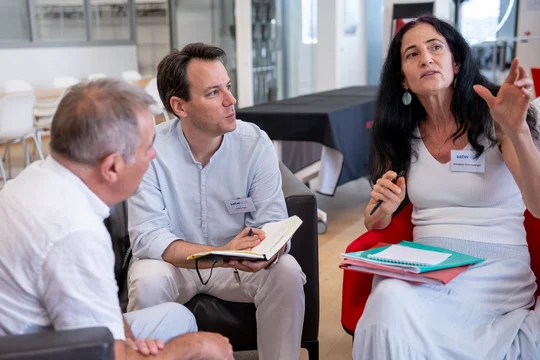
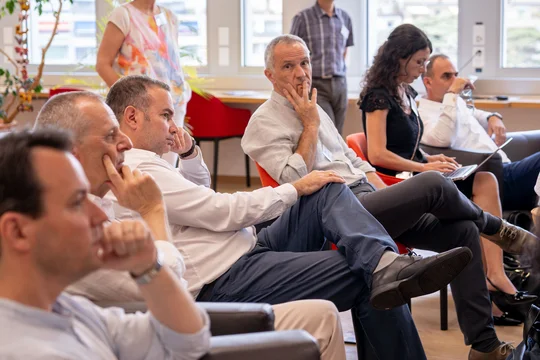
In small groups, the participants explore the identified impact criteria in greater depth.
For SATW, this workshop illustrates a conviction: only by bringing different disciplines together can we truly grasp the societal impact of a new technology. It takes medical, technical, economic, legal, and ethical expertise, combined, to obtain a complete picture — and to lay the foundation for future, scientifically grounded evaluation criteria.
SATW thanks SFITS for a fruitful partnership and a warm welcome, and all participants for a generous, open, and engaged exchange. A detailed synthesis of the results is currently in preparation; it will serve as the basis for a future set of criteria for evaluating surgical robotics.
Surgical robots are computer-assisted systems that support medical staff in performing operations with precision — through steadier instrument guidance or minimally invasive access, for example. As early as its 2023 Technology Outlook, SATW rated this technology’s potential for Swiss industry as high: the demanding requirements for precision and reliability align well with Switzerland’s quality standards and would justify premium prices and healthy margins. At the same time, the report already noted that manufacturers and hospitals would have to invest considerable effort in demonstrating the economic benefit of new applications.















| Role | Title + Name |
|---|---|
| Text by | Fabienne Marquis Weible |