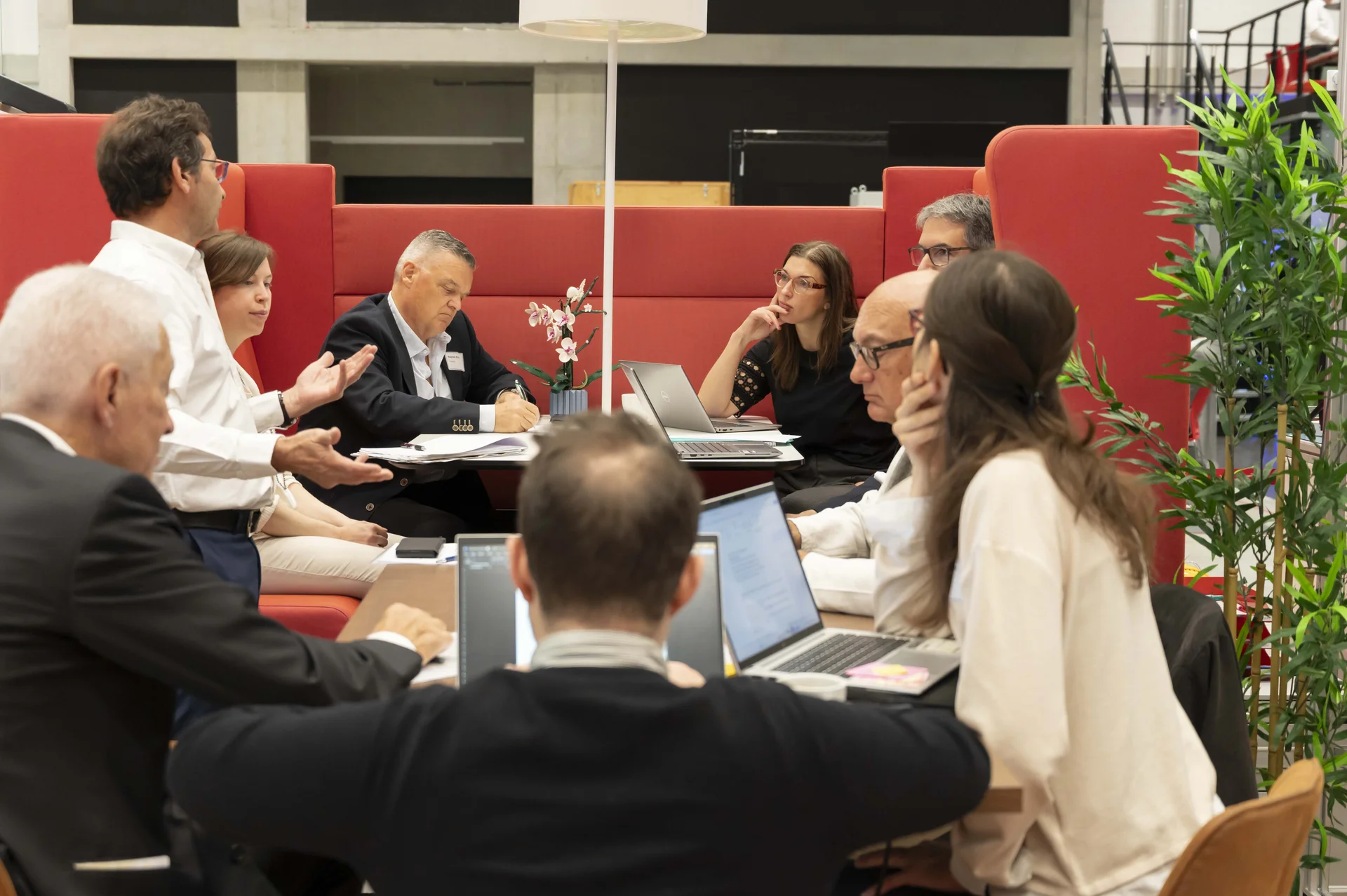
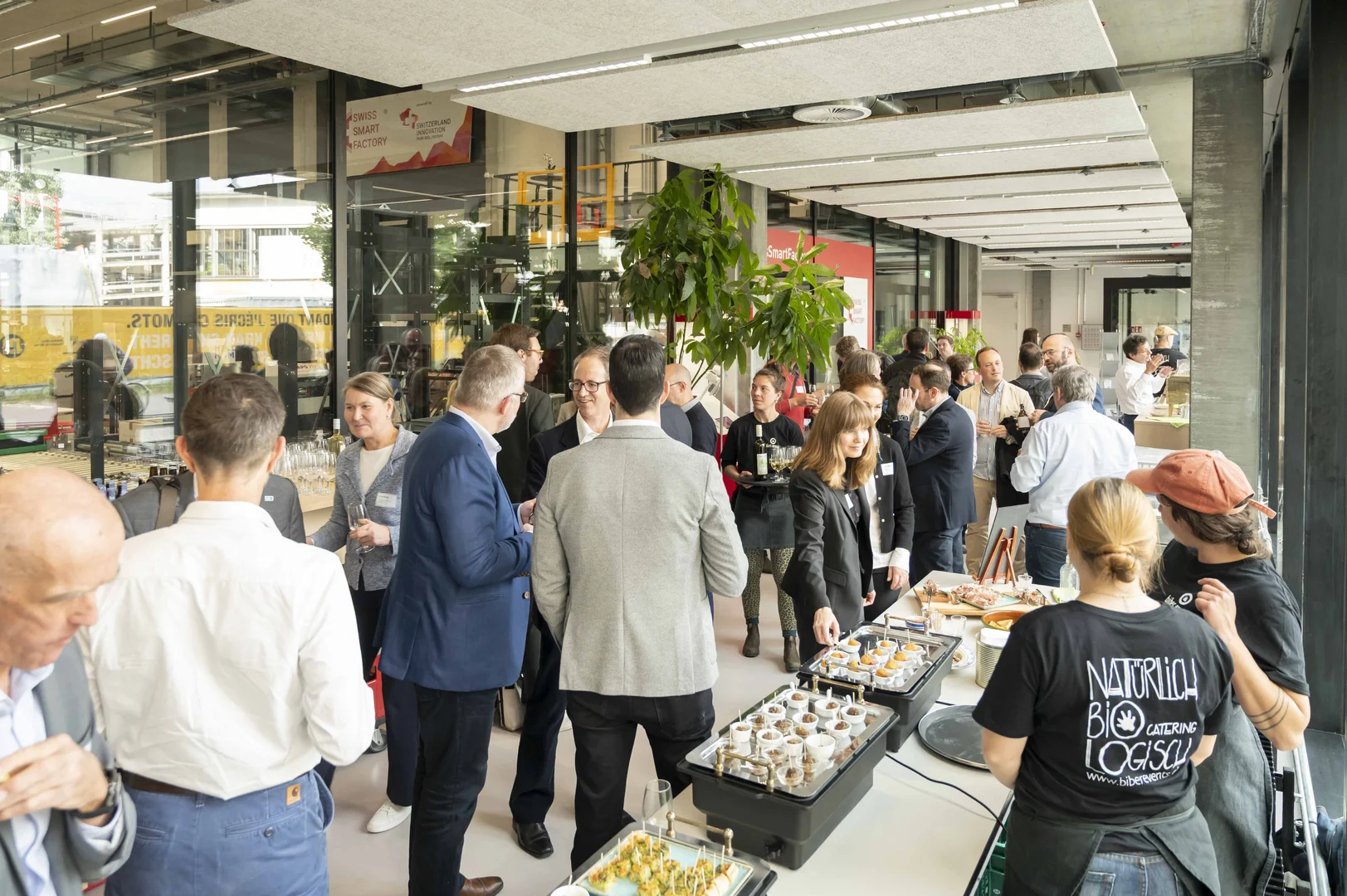
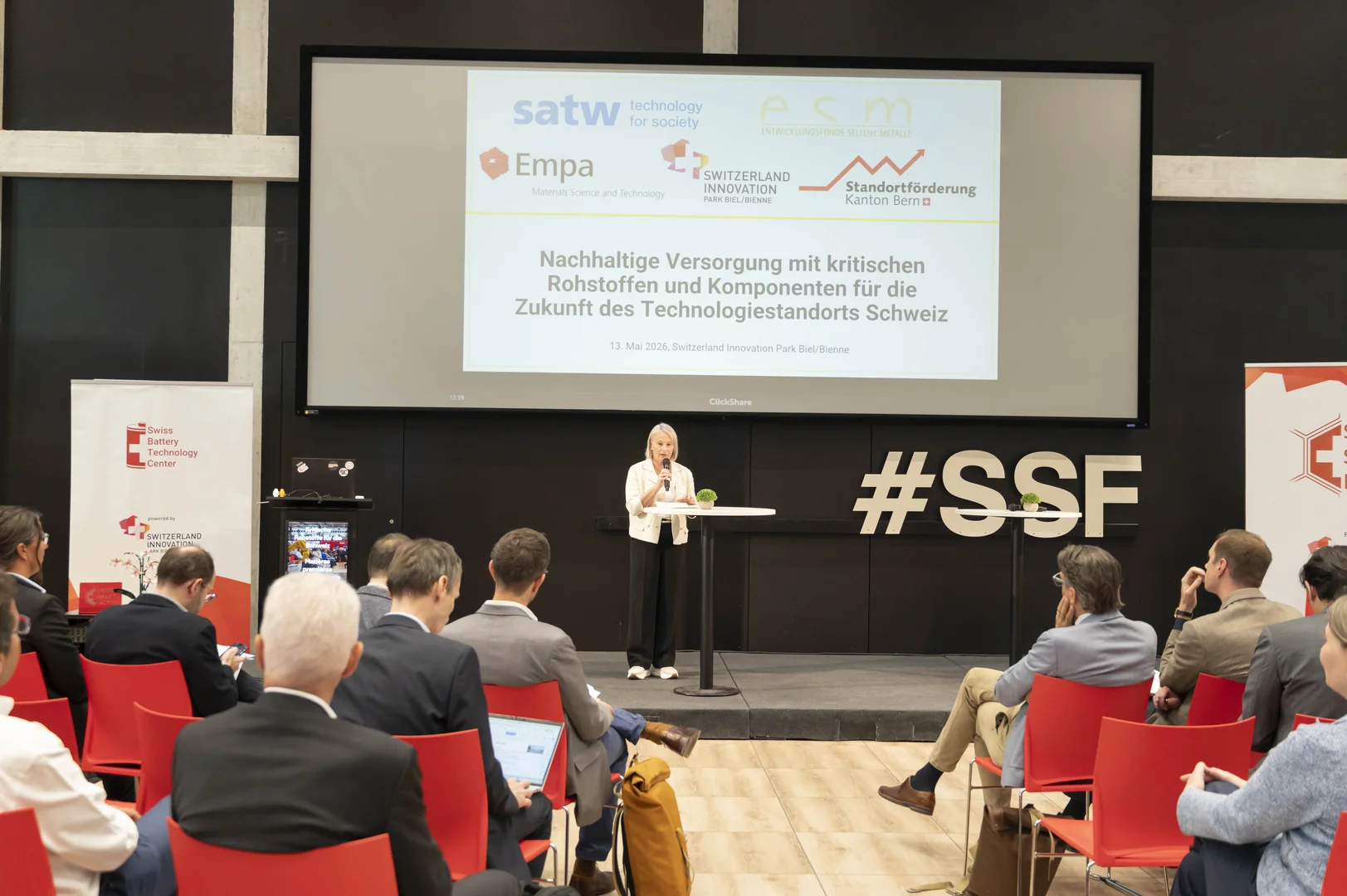
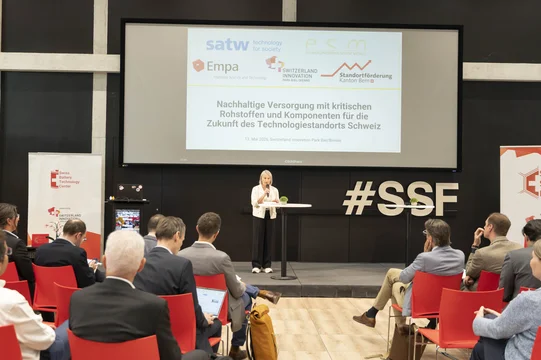
On 13 May, Biel/Bienne became a meeting place for key players from industry, politics and research at an event jointly organised by the ESM Foundation, SATW, the Switzerland Innovation Park Biel/Bienne and Empa, which focused on the sustainable supply of critical raw materials and semi-finished products in Switzerland. The event was supported by the Canton of Bern's location promotion programme.
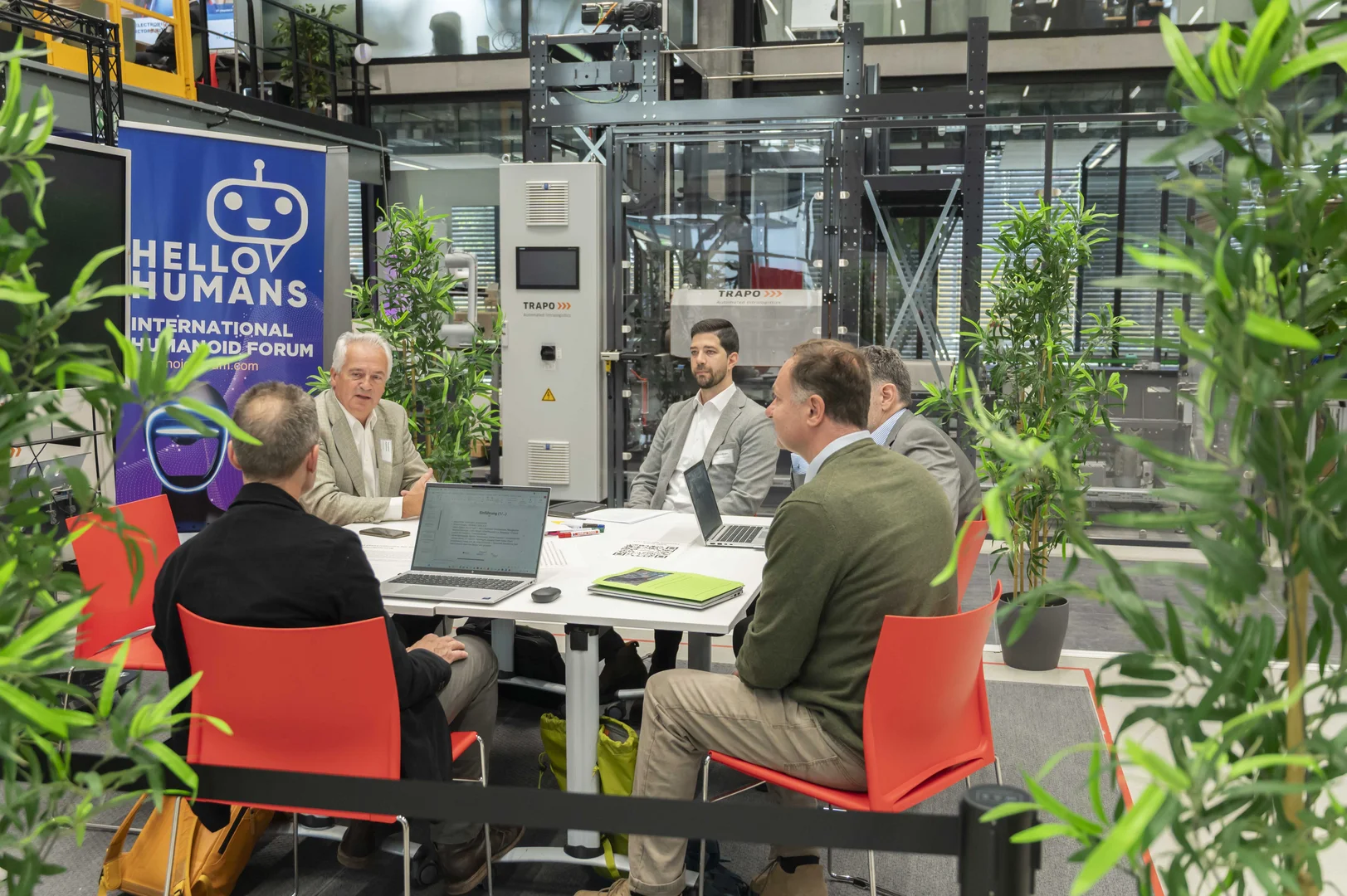
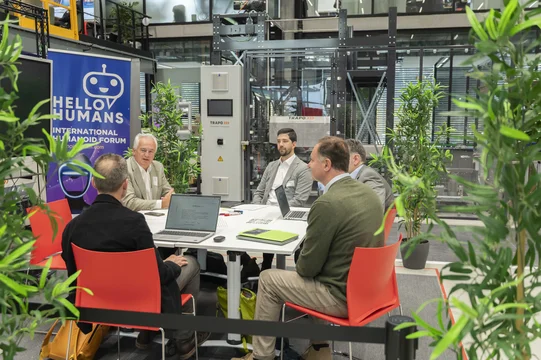
The event kicked off in the morning with closed workshops with a total of eight sector-specific working groups, in which the participants engaged in intensive dialogue for a good 2.5 hours. The discussions were lively and practical and made it clear how highly relevant the topic is across all sectors. There was unanimous agreement that supply risks are a key issue. The high import dependency of individual companies or countries was particularly emphasised, with geopolitical tensions and socio-economic factors, among others, making such concentrated supply chains risky. At the same time, it became clear that Switzerland often takes on specialised niche roles in global supply chains and is less dependent on raw materials themselves than on semi-finished products, components and - in the chemicals and pharmaceuticals sector - chemicals.
Various fields of action were identified during the workshops. These include, in particular, increased transparency in material flows and quantities, the diversification of supply sources - even if this is often only possible to a limited extent in practice - the expansion of strategic warehousing and the strengthening of international alliances and trade agreements. At the same time, the central role of the circular economy was emphasised. Important approaches here include design for recycling, better dismantlability and remanufacturing, as well as the targeted promotion of research and development and the scaling of innovative solutions. In addition, regulatory incentives for the use of secondary raw materials were identified as crucial.
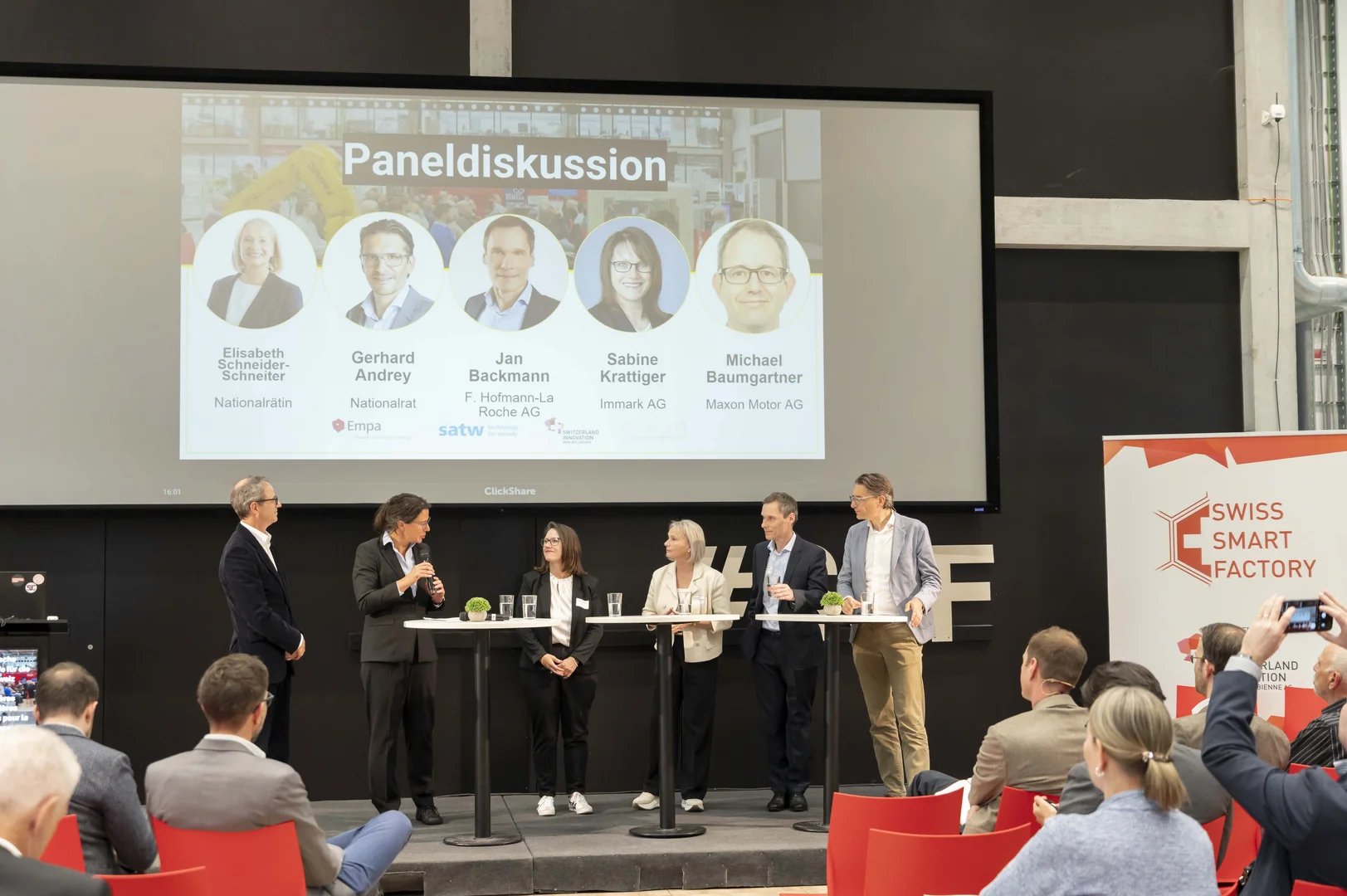
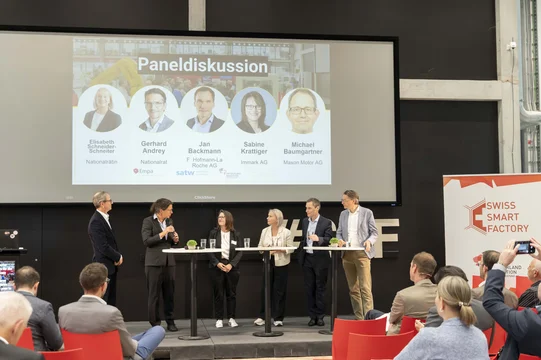
In the subsequent public part, the morning's discussions were made accessible to a wider audience and placed in a broader context. Representatives from industry and political decision-makers - including National Councillors Elisabeth Schneider-Schneiter (Die Mitte), Simon Michel (Sie Mitte) and Gerhard Andrey (Grüne) - contributed their perspectives, and the challenges and possible solutions were discussed in depth from a political and economic perspective in a lively panel.it became clear that securing the supply of raw materials and the transformation towards a functioning circular economy can only succeed through close cooperation between all stakeholders - and that social will and openness to innovation are crucial in order to remain internationally competitive.
Overall, the event showed that the pressure to act is high - as is the willingness to work together to drive forward concrete solutions.
Our sincere thanks go to all contributors, speakers, panellists and the committed participants in the workshops for their valuable input, open discussions and shared ideas. The insights gained will be incorporated into a guideline that will provide concrete orientation for the further handling of supply risks and the strengthening of the circular economy.
| Role | Title + Name |
|---|---|
| Text by | Alessandra Hool |