Generative AI is primarily changing individual tasks and job roles, rather than replacing entire jobs.
Routine cognitive tasks such as drafting, simple data analysis or parts of programming are increasingly being supported or automated by AI.
At the same time, critical thinking, problem-solving skills, creativity, empathy, judgement and specialist knowledge are becoming increasingly important.
Technical roles are also changing: software developers are focusing more on system design, AI orchestration and the validation of AI-generated results.
One-off AI training courses are not enough. Companies need workplace-based further training, clear rules for use and continuous updating of skills.
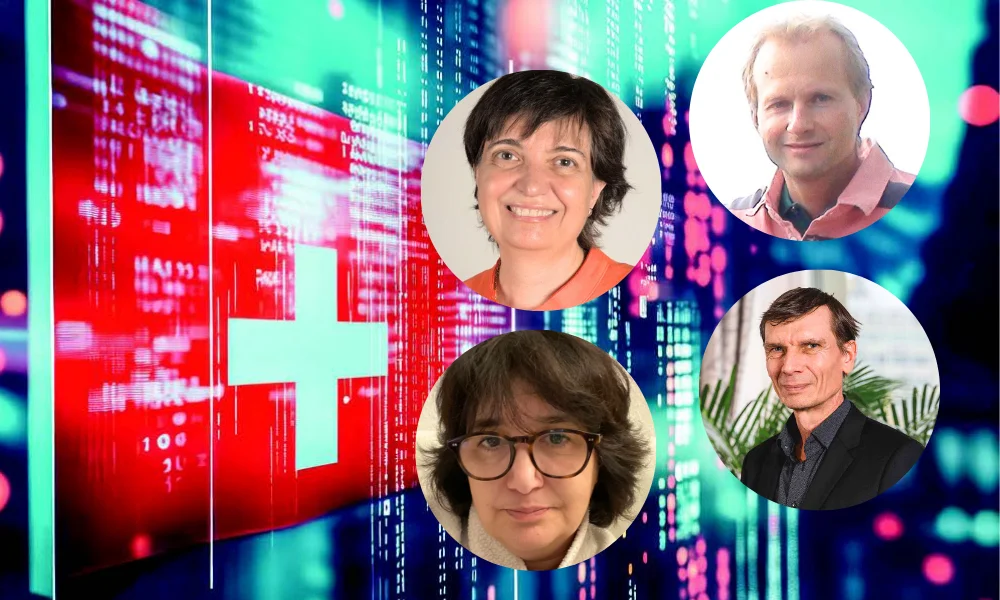
In the third part of the series ‘Switzerland as a Hub for Innovation’, Lamia Friha, Giovanna Di Marzo Serugendo, Jan Melichar and Pierre-Yves Burgi explain how generative AI is transforming work and skills profiles, and why continuing professional development is becoming a strategic priority for SMEs.
The article also highlights the new roles that are emerging, how the work of software developers is changing, and why companies should establish clear guidelines for the responsible use of generative AI.
This article in KMU-Magazin forms part of the series ‘Switzerland as a Hub for Innovation’, which emerged as a follow-up to the SATW publication ‘AI Orientation: Challenges and Opportunities for Swiss SMEs’.
The content was developed in collaboration with stakeholders from the SAIROP (Swiss AI Research Overview Platform) network and SATW’s expert network. SAIROP promotes collaboration between research, industry and government and supports knowledge transfer within the Swiss AI ecosystem.
The trends examined suggest that generative AI is primarily changing individual tasks and reshaping jobs, rather than replacing them entirely.
These include, in particular, routine cognitive tasks such as drafting, programming and data analysis.
Critical thinking, problem-solving, emotional intelligence, creativity, specialist knowledge and sound judgement are becoming increasingly important.
Software developers are increasingly focusing on defining problems, structuring solutions and validating AI-generated results. At the same time, system design, architecture, security and AI orchestration are becoming increasingly important.
One-off introductory courses are not enough. The article recommends workplace-based training, regular professional development and clear guidelines for the responsible use of generative AI.
| Role | Title + Name |
|---|---|
| Text by | Pierre-Yves Burgi, Giovanna Di Marzo Serugendo, Lamia Friha, Jan Mélichar |