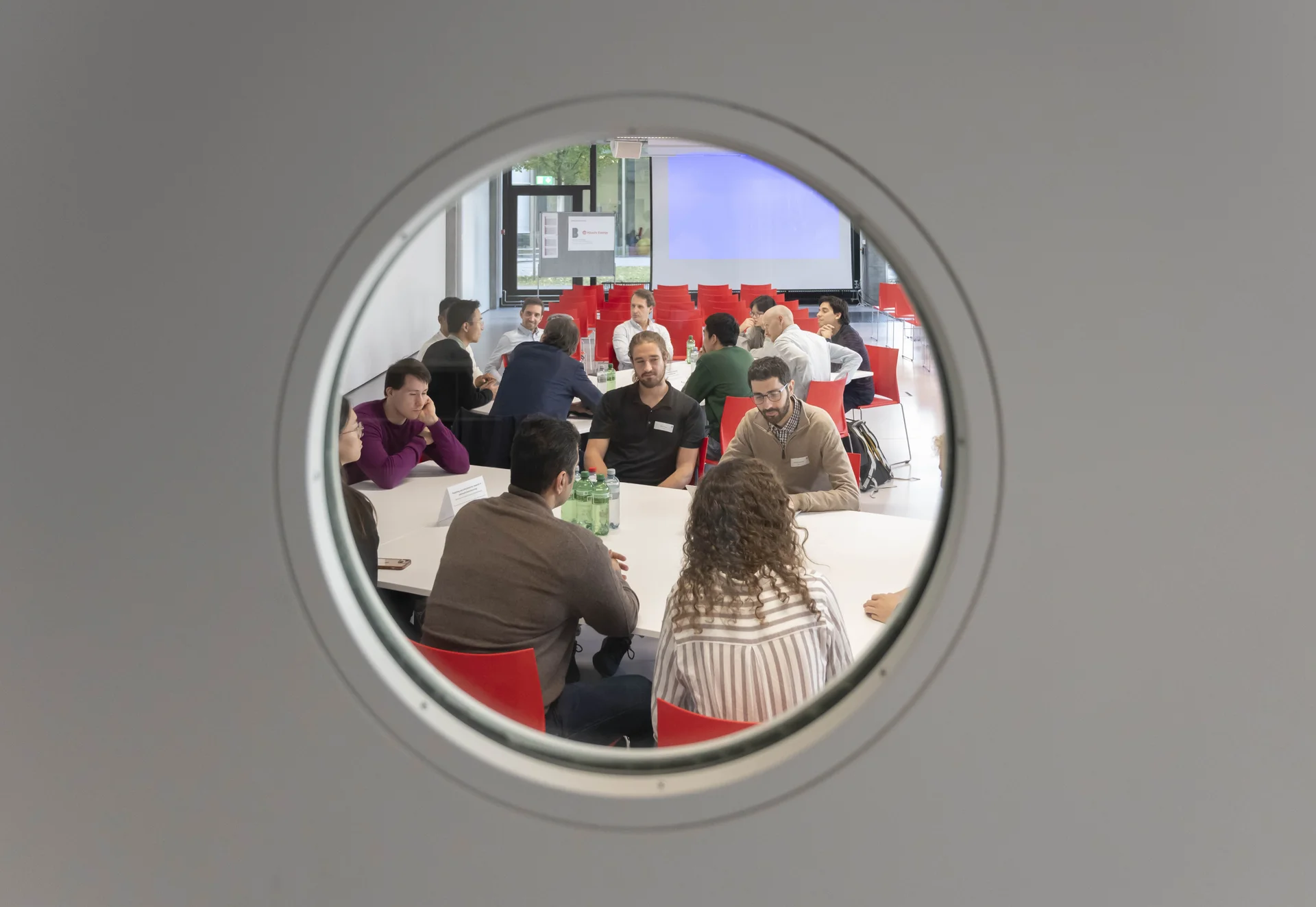
Am 30. Oktober 2025 versammelten sich im Switzerland Innovation Park Biel/Bienne (SIPBB) rund 100 Nachwuchsforschende, um im Rahmen der Swiss Advanced Manufacturing Community Events (SAMCE) 2025 aktuelle Forschungsschwerpunkte im Bereich fortgeschrittener Fertigung in der Schweiz zu diskutieren – etwa in den Feldern der additiven Fertigung, Beschichtungstechnologien und Nanofabrikation.
Die jährliche Veranstaltung richtet sich gezielt an junge Talente aus Wissenschaft und Forschung. Im Zentrum steht die Idee, interdisziplinäre Verbindungen früh zu knüpfen und die Zusammenarbeit über Institutionen hinweg zu erleichtern. Viele Teilnehmende nutzen die Gelegenheit, um Fragestellungen aus ihrem Forschungsalltag zu spiegeln und voneinander zu lernen.
Die Keynotes von Julia Steinberger von der Universität Lausanne und Tobias Keller von Hitachi Energy setzten wichtige Akzente. Beide gaben Einblicke in Themen, die weit über technische Fragen hinausgehen: wie wir innerhalb der planetarischen Grenzen gut leben können und wie das komplexeste von Menschenhand geschaffene Bauwerk – das Stromnetz – funktioniert. Diese Beiträge unterstrichen, wie zentral interdisziplinäre Forschung und Entwicklung für einen verantwortungsvollen Technologieeinsatz und die zukünftige Gestaltung von Advanced Manufacturing sind.
Im weiteren Verlauf präsentierten Teilnehmende ihre persönlichen Erfolgsgeschichten, berichteten von fachlichen Hürden und formulierten neue Ideen für kommende Projekte. Der Austausch zeigte, wie wertvoll unterschiedliche Perspektiven sind und wie stark gemeinsames Lernen die Forschungscommunity bereichert.
Zum Abschluss wurden besonders überzeugende Präsentationen ausgezeichnet. Die SATW hat den Gewinner:innen drei Fragen gestellt, anhand derer sie die jungen Talente kurz proträtiert.

Worum ging es in Ihrer Präsentation, kurz gesagt?
Yong Ding: In meiner Präsentation habe ich gezeigt, wie Holz-Hybridmaterialien Gebäude in Kohlenstoffspeicher verwandeln können. Durch die Extraktion von Kalzium aus recyceltem Beton und dessen Bindung mit CO₂ entstehen kohlenstoffreiche Mineralien, die sich in Holz einbetten lassen. Diese Holz-Mineral-Verbundstoffe speichern CO₂ sowohl durch den natürlichen, biogenen Kohlenstoff im Holz als auch durch zusätzliche CO₂-Mineralisierung. Dieser zirkuläre Ansatz ermöglicht die Herstellung nachhaltiger Bauelemente wie Beschichtungen, Spanplatten und Ziegel, die umweltfreundlich, langlebig und kohlenstoffspeichernd sind.
Ali Jafarabadi: Ich habe auf der SAMCE 2025 selbstverriegelnde Formgedächtnis-Kupplungstechnologien vorgestellt. Als Bauingenieur:innen entwerfen und realisieren wir verschiedene Komponenten und Konstruktionssysteme. Ob in der Bau-, Automobil-, Medizin- oder Luftfahrtindustrie – die mechanische Leistung und die Montagezeit werden vor allem von den Verbindungen bestimmt. Hingegen bieten selbstverriegelnde Formgedächtnis-Kupplungen als Vorbilder für metallische Kupplungssysteme im Vergleich zu herkömmlichen, geschweissten, geklebten, bearbeiteten oder verschraubten Verbindungen einzigartige Eigenschaften: Sie betätigen sich selbst und sind schnell montiert.
Romain Trihan: In der Präsentation wurde eine Kombination aus subtraktiver und additiver Fertigung vorgestellt, mit der sich hochpräzise Mikrokomponenten aus Keramik mithilfe eines kostengünstigen und zeitsparenden Verfahrens herstellen lassen. Zunächst wird mittels Laserablation eine Form mit dem gewünschten Design hergestellt. Anschliessend wird im Rahmen des additiven Fertigungsverfahrens eine Keramikmasse in die gefertigte Form gegossen.
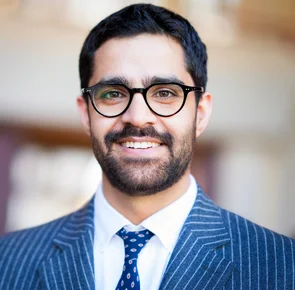
Was bedeutet diese Auszeichnung für Sie?
Yong Ding: Ich bin seit meiner Promotion Teil der SAMCE-Community und habe von dieser inspirierenden Gruppe so viele wertvolle Erkenntnisse und Unterstützung erhalten. Diese Auszeichnung ist eine grosse Ehre für mich und eine Ermutigung, weiterhin nachhaltige, kreislauffähige Materialien zu entwickeln, die etwas bewirken können.
Ali Jafarabadi: Während meines Master- und Doktoratsstudiums waren die SAMCE-Veranstaltungen immer etwas, auf das ich mich gefreut habe. Die interaktiven Programme begeistern die Teilnehmenden jedes Mal aufs Neue. Ich war überrascht und fühle mich sehr geehrt, den CONNECT Talk Award erhalten zu haben. Ich bin froh, dass ich einen spannenden Vortrag halten konnte, der das Publikum wirklich angesprochen hat.
Romain Trihan: Diese Auszeichnung ist eine Anerkennung dafür, dass das vorgeschlagene Verfahren für die Industrie von grossem Interesse ist. Es sollte daher noch weiter untersucht werden, um seine Grenzen zu verstehen und zusätzliche Designs zu erforschen, um die Anwendungsmöglichkeiten zu erweitern. Zudem möchte ich die Geschäftsidee weiterentwickeln und Produkte herstellen und vermarkten, die mit diesem Verfahren produziert werden. Diese Auszeichnung und Anerkennung werden mir dabei sicherlich hilfreich sein.
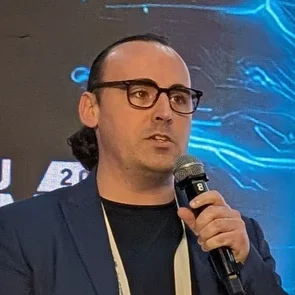
Wie wird Ihre Forschung der Gesellschaft in Zukunft zugutekommen?
Yong Ding: Der Bausektor ist für rund 40 Prozent der weltweiten CO₂-Emissionen verantwortlich. Mit meiner Forschung adressiere ich sowohl den CO₂-Ausstoss bei der Herstellung als auch den Ausstoss während des Betriebs. Dazu entwickle ich energieeffiziente, CO₂-speichernde Holzwerkstoffe durch fortschrittliche Verarbeitung und Werkstofftechnik. Ich freue mich darauf, die Gestaltung von Baumaterialien für eine kohlenstoffarme Zukunft zu überdenken und zu einer umfassenderen Dekarbonisierung des Bausektors beizutragen.
Ali Jafarabadi: Der kürzlich erfolgte Einsatz von NiTi-basierten Formgedächtniskupplern als Strahlkupplungen in Teilchenbeschleunigern am CERN hat deren Potenzial aufgezeigt. In unserer Forschung an der Empa konzentrieren wir uns auf die Entwicklung einer kostengünstigeren, selbstverriegelnden Kupplungstechnologie auf Basis von Formgedächtnislegierungen aus Eisen. Angesichts des wachsenden Marktes für die Renovierung und Umstellung unserer Infrastrukturen ermöglicht unser innovatives Kupplungssystem schnellere, kostengünstigere und intelligentere Umstellungen bei Pipelines für erneuerbare Energien, Brücken und der Infrastrukturentwicklung.
Romain Trihan: Einige der hergestellten Mikrokomponenten sind für die Verwendung in Cremes oder für Hautbehandlungen vorgesehen, um die Schmerzen oder auch die sozialen Unannehmlichkeiten zu verringern, die Patient:innen manchmal erleben können. In Bezug auf den Umweltaspekt trägt der Prozess insgesamt zur Reduzierung des Grauenergieverbrauchs bei. Darüber hinaus wird ein spezielles Design, das wir derzeit produzieren, Anwendungen als Membranstützen ermöglichen. Dadurch erwarten wir eine drastische Reduzierung der CO2-Emissionen.
Gold partners: Berner Fachhochschule, Hitachi Energy