
Translated by an automated translation plugin.
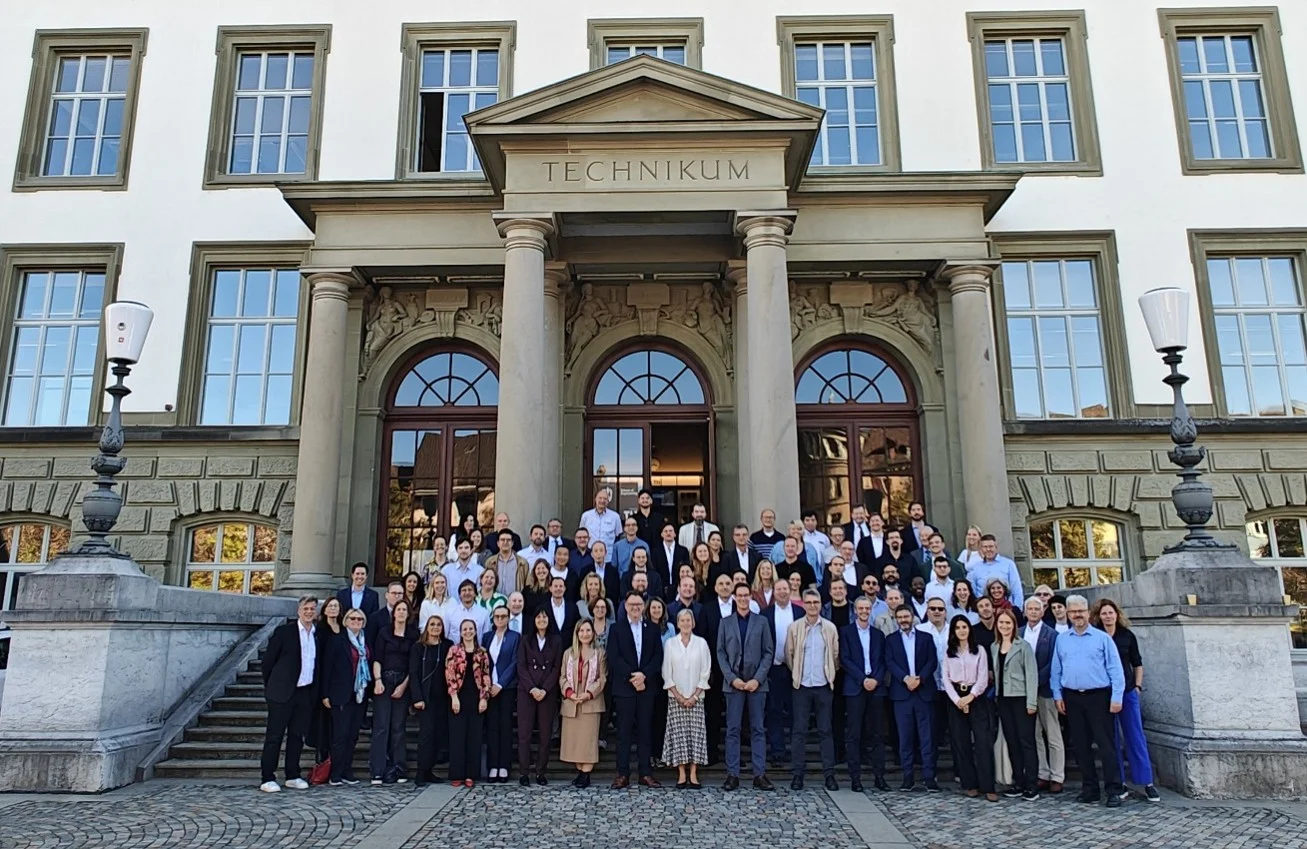
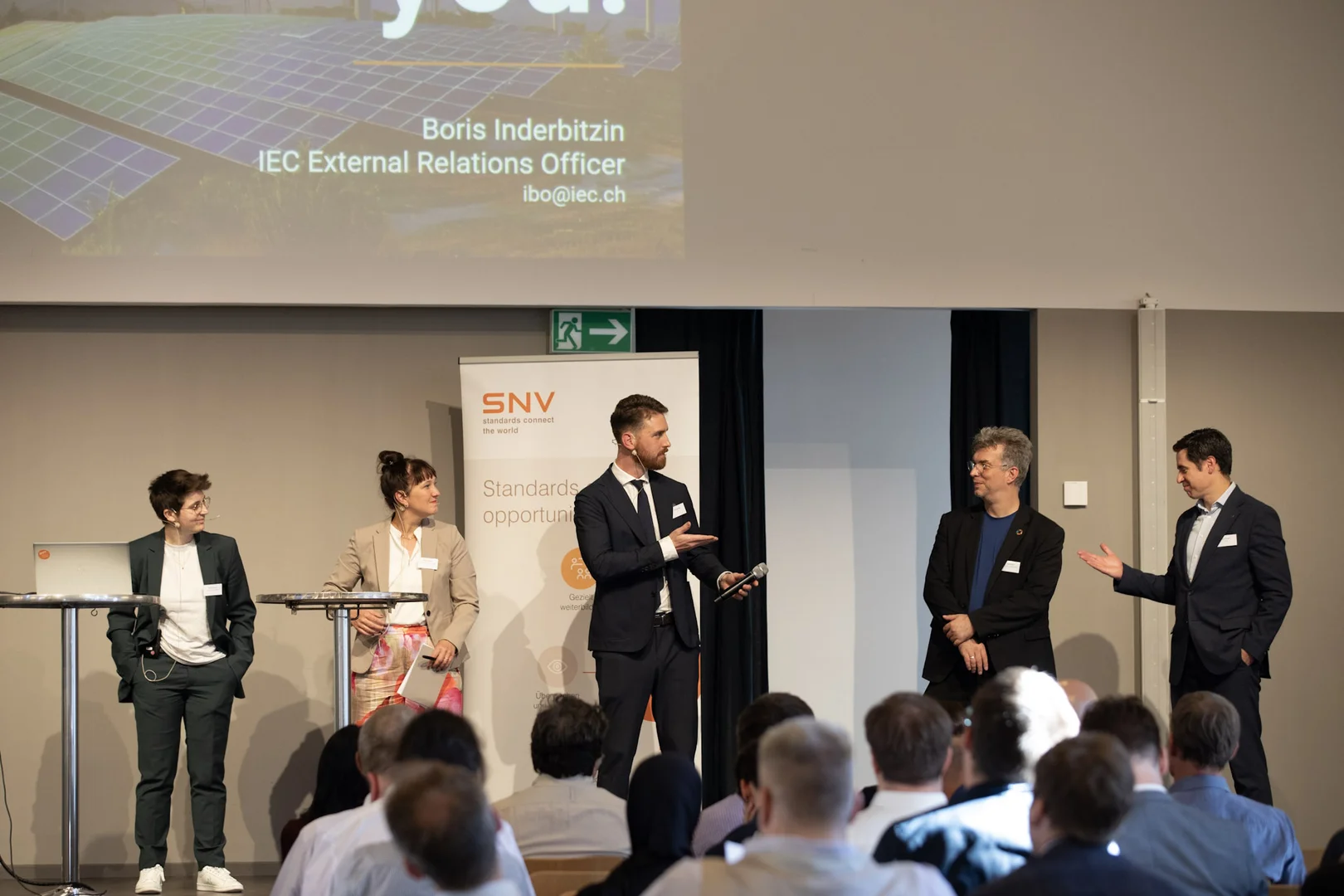
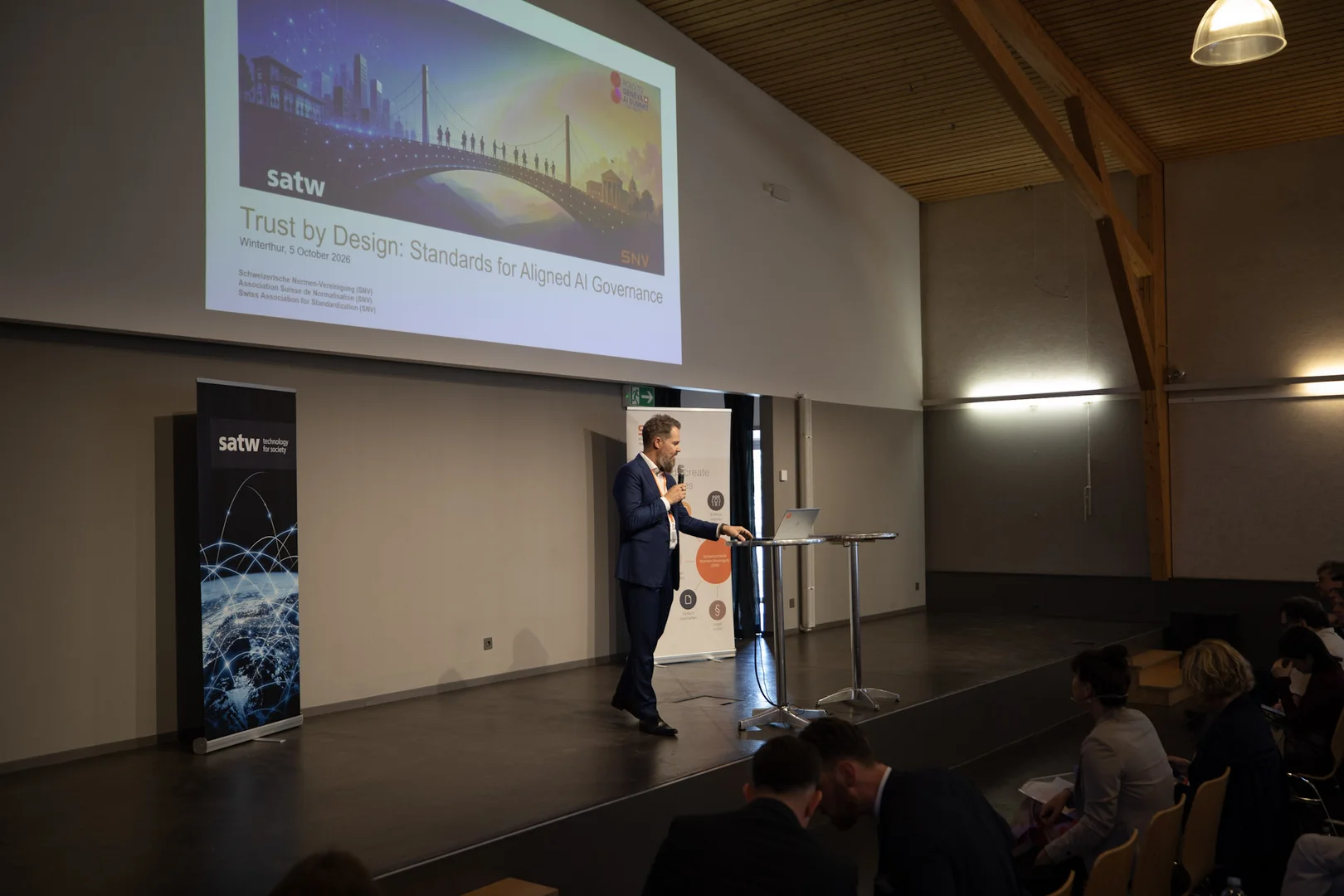
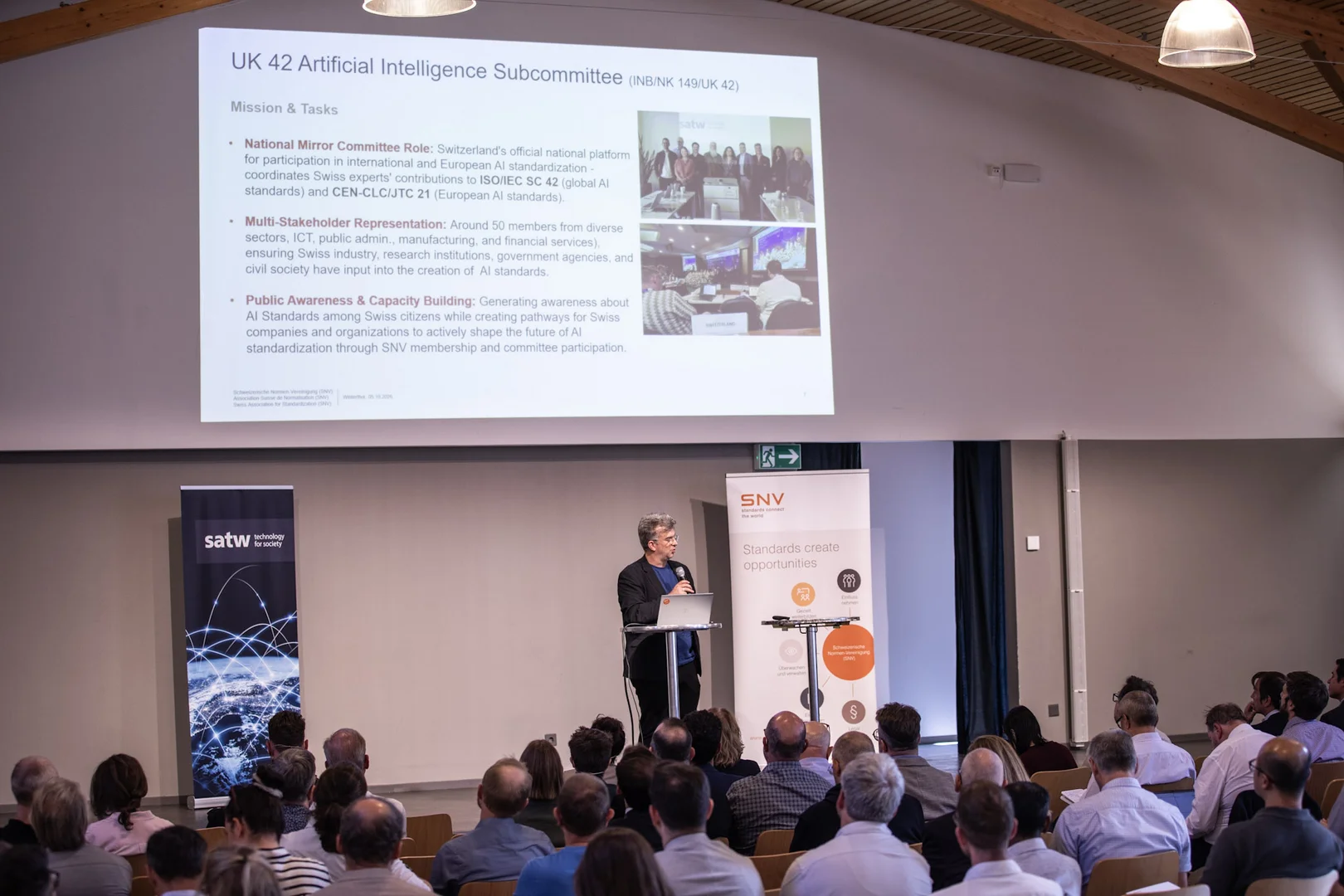
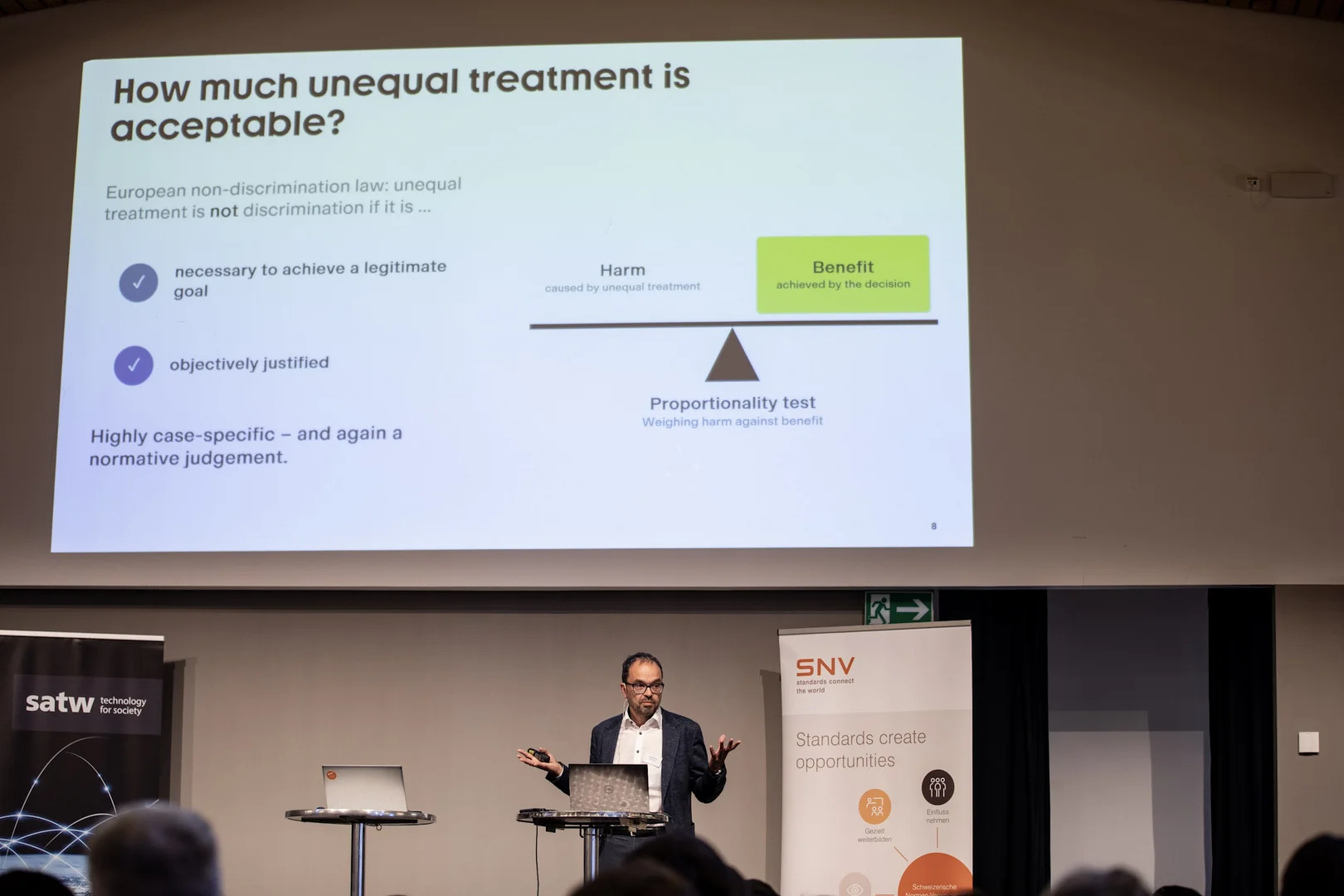
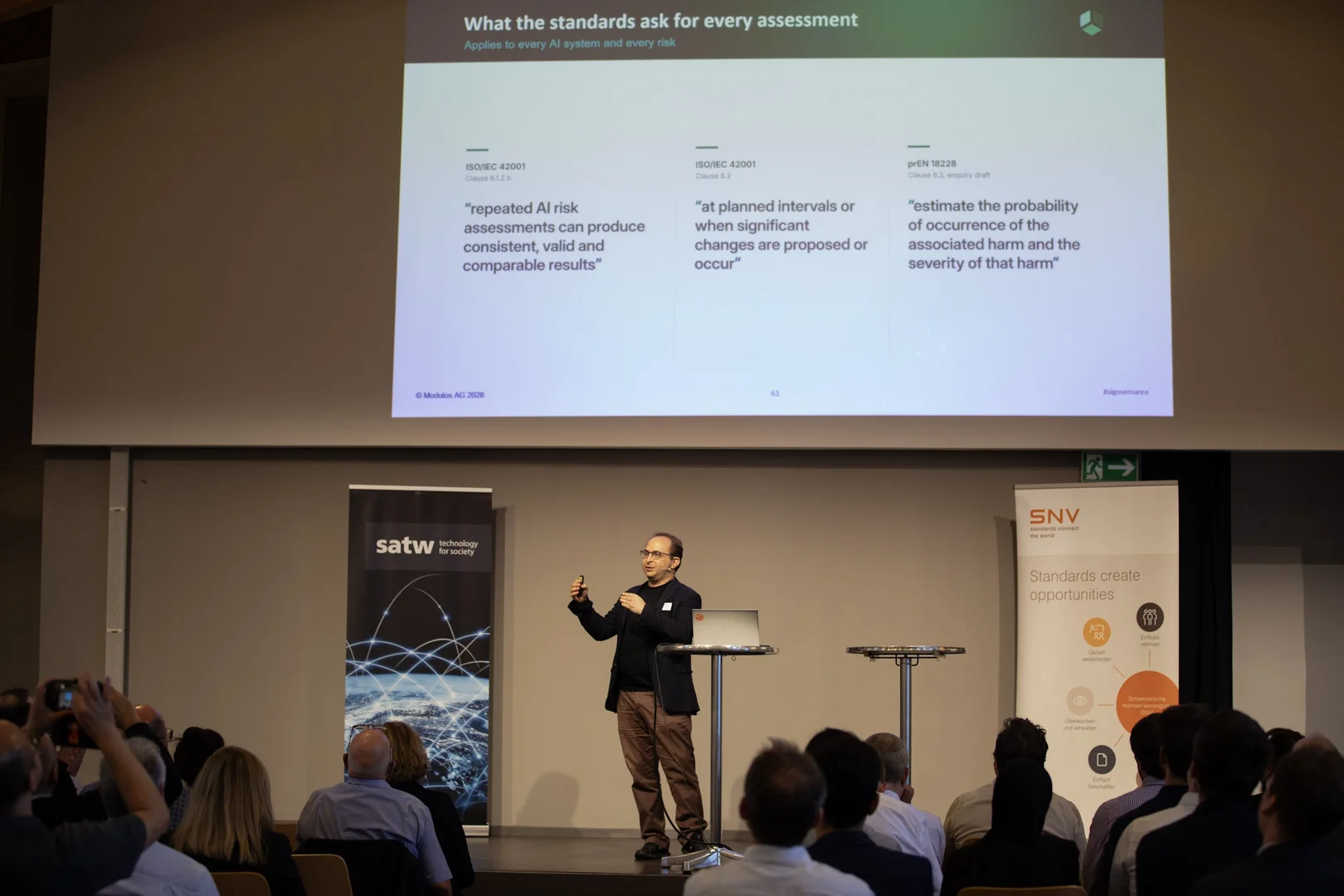
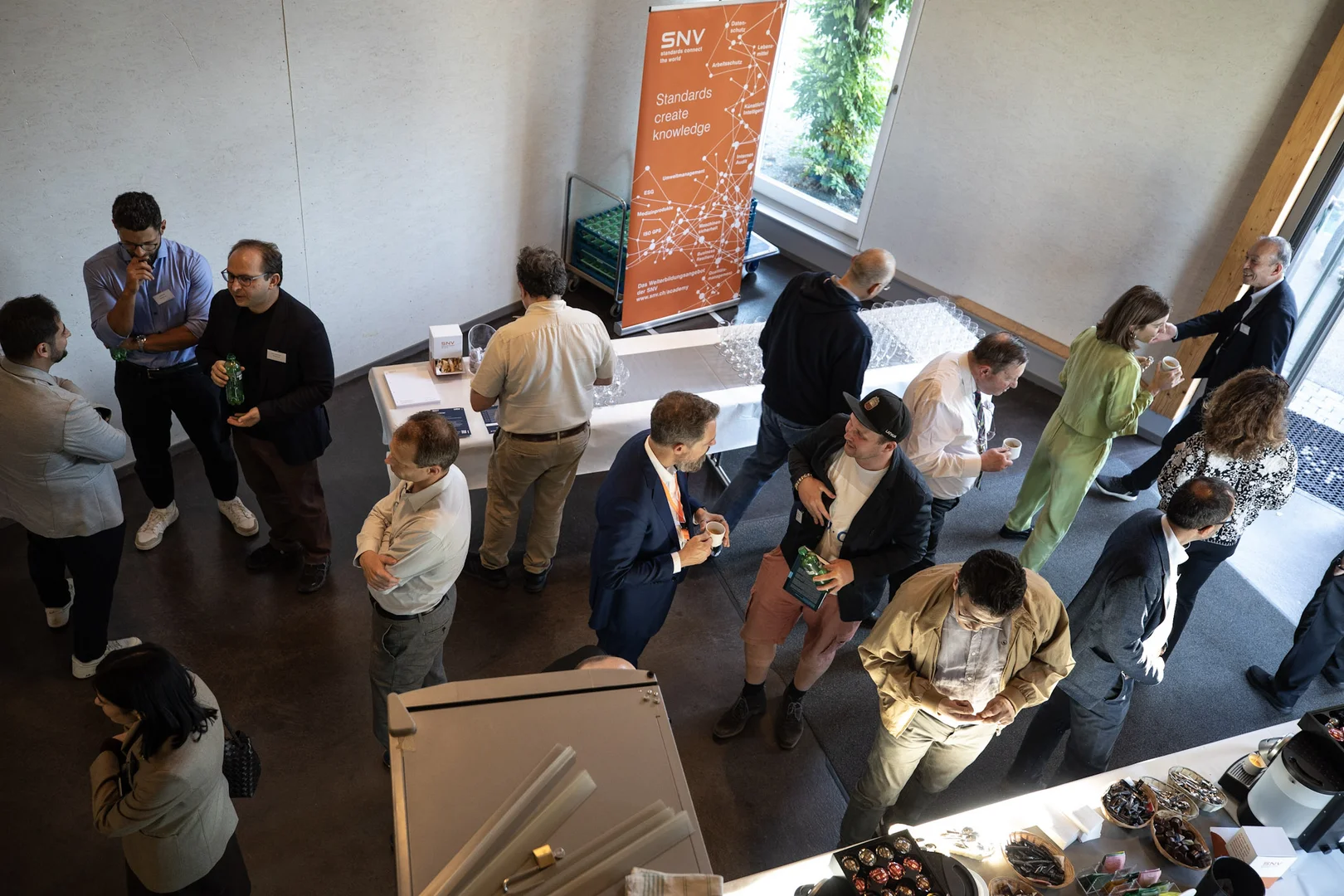
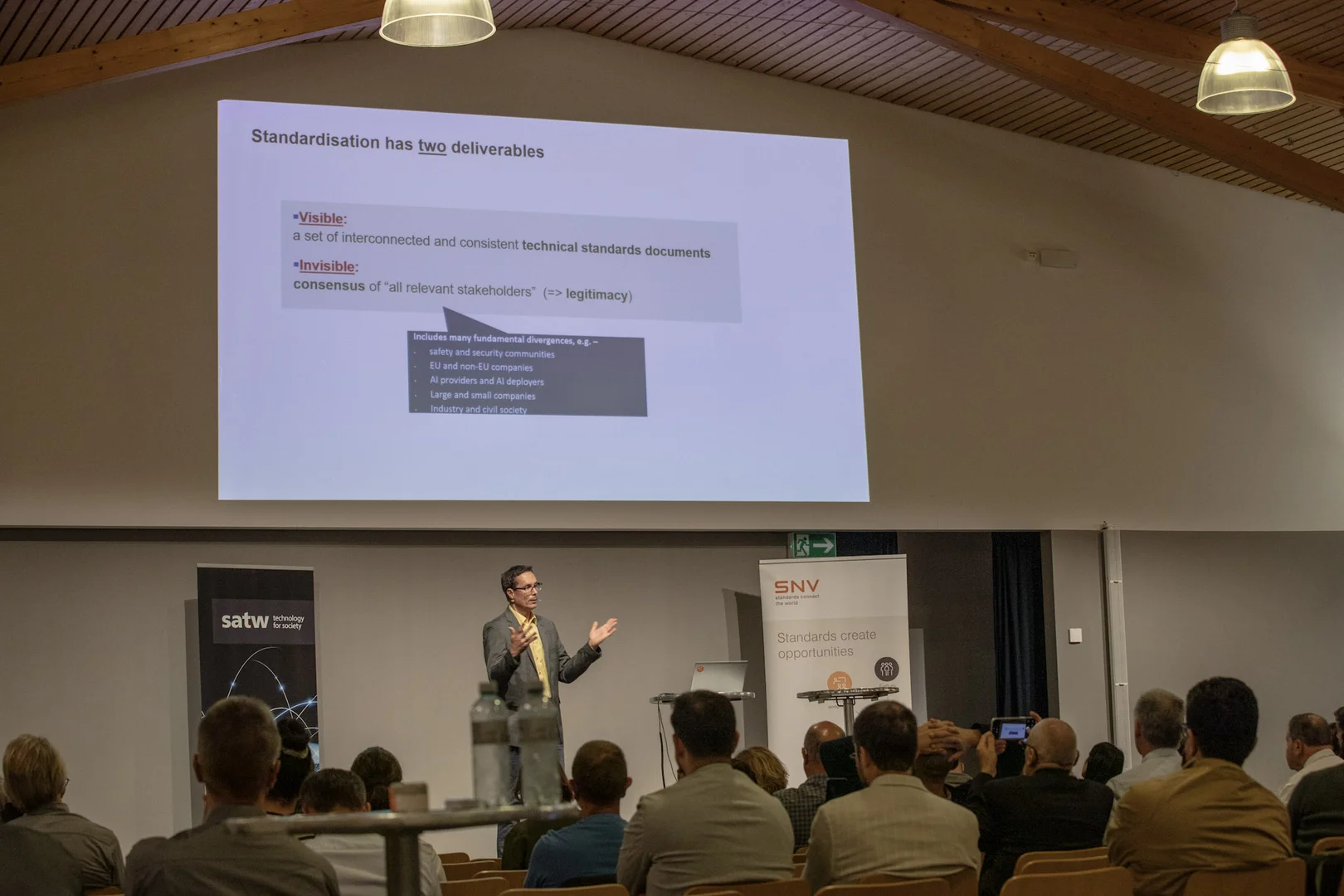
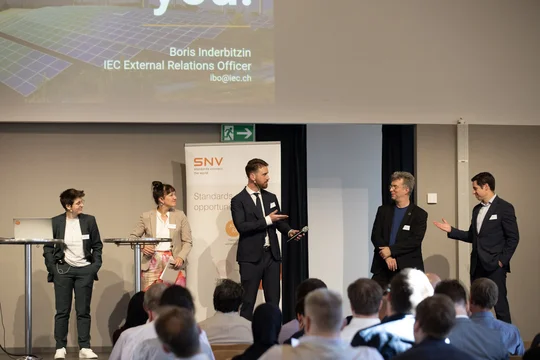
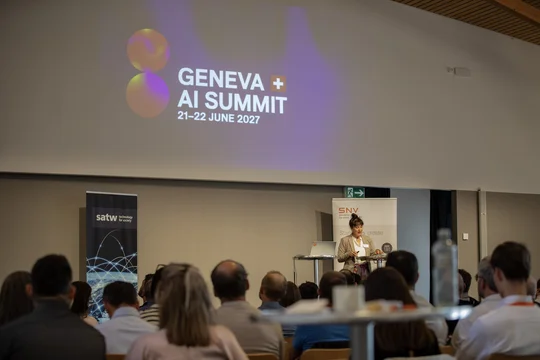
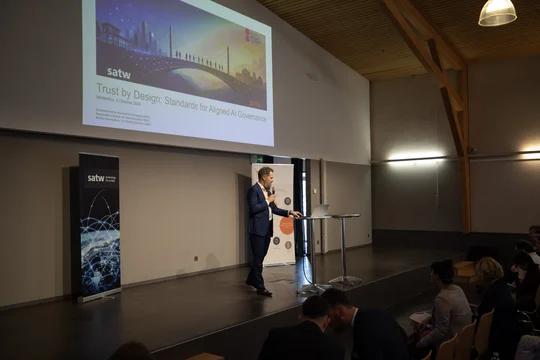
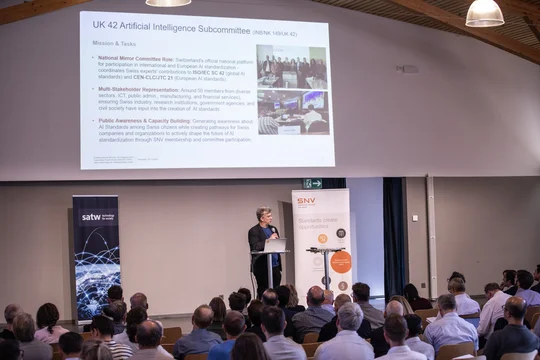
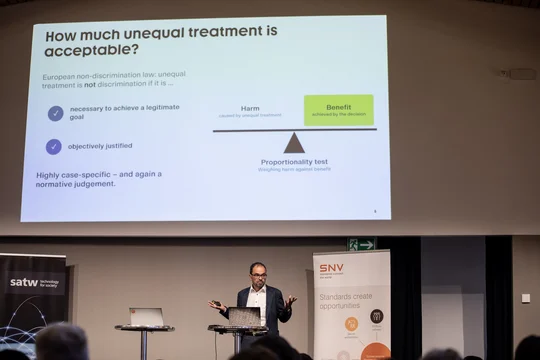
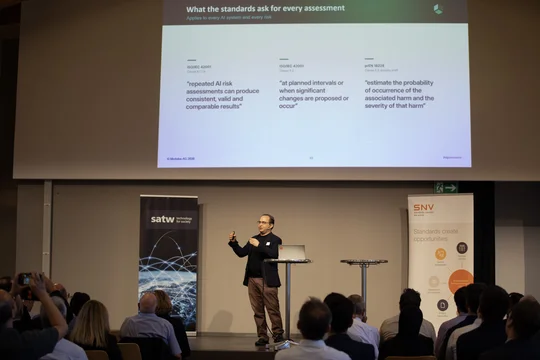
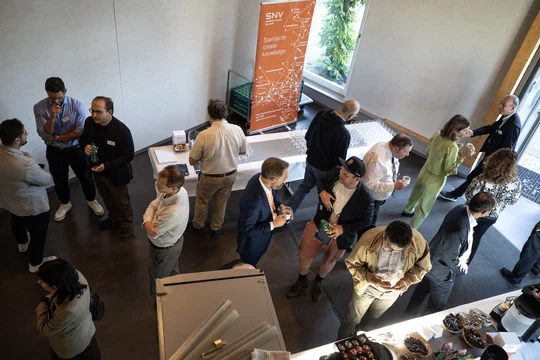
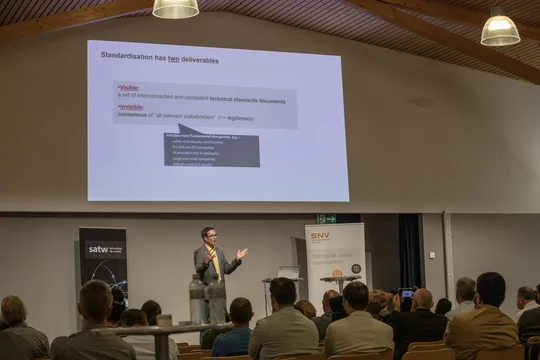
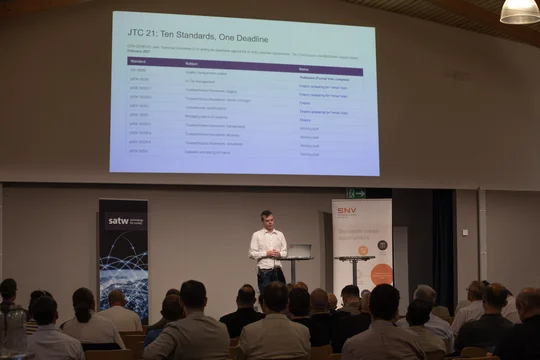
On the eve of the 15th JTC 21 Plenary Assembly,over 100 participants discussed the role of standards for trustworthy AI at the networking event ‘Trust by Design: Standards for Aligned AI Governance’.
More than 80 experts from 27 countries took part in the JTC 21 plenary meeting.
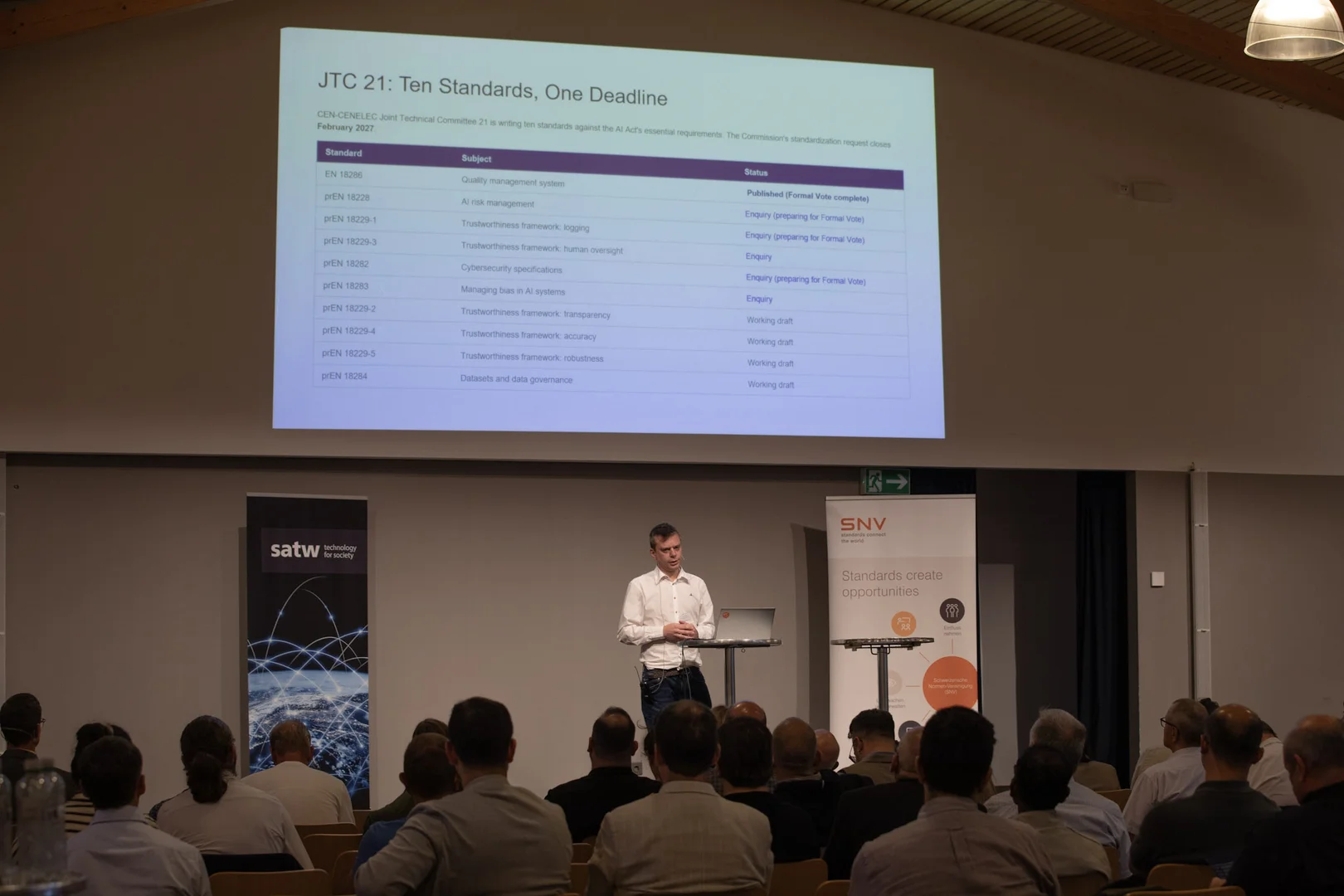
The AI Quality Management System Standard for the implementation of the EU AI Act, EN 18286:2026, was published as the first harmonised AI standard.
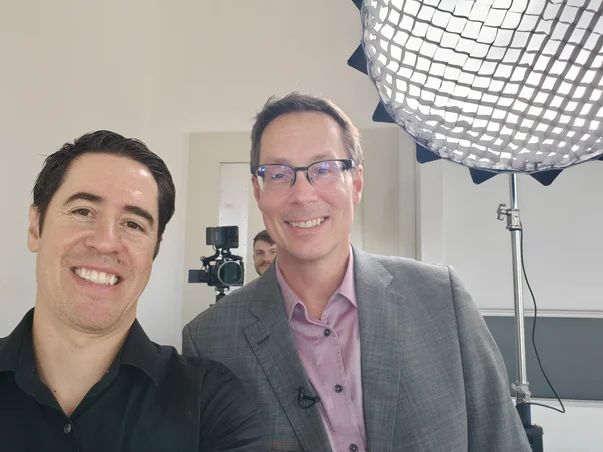
SATW is expanding its awareness-raising efforts on AI standardisation with a new format: alongside the series of articles, a new series of video interviews is launching, featuring the people behind the AI standards, starting with Sebastian Hallensleben, Chair of JTC 21.
Artificial intelligence is developing at a rapid pace. At the same time, there is a growing need for rules and standards that enable the technology to be used in a trustworthy and responsible manner. Whilst legislation such as the EU AI Act sets out the regulatory objectives, technical standards lay the foundations for their practical implementation.
Against this backdrop, a special event took place in Winterthur from Tuesday 6 to Friday 9 October 2026: the 15th plenary meeting of the European standardisation committee CEN-CENELEC JTC 21 Artificial Intelligence. JTC 21 is the committee responsible for drafting the harmonised standards for the implementation of the AI Act.
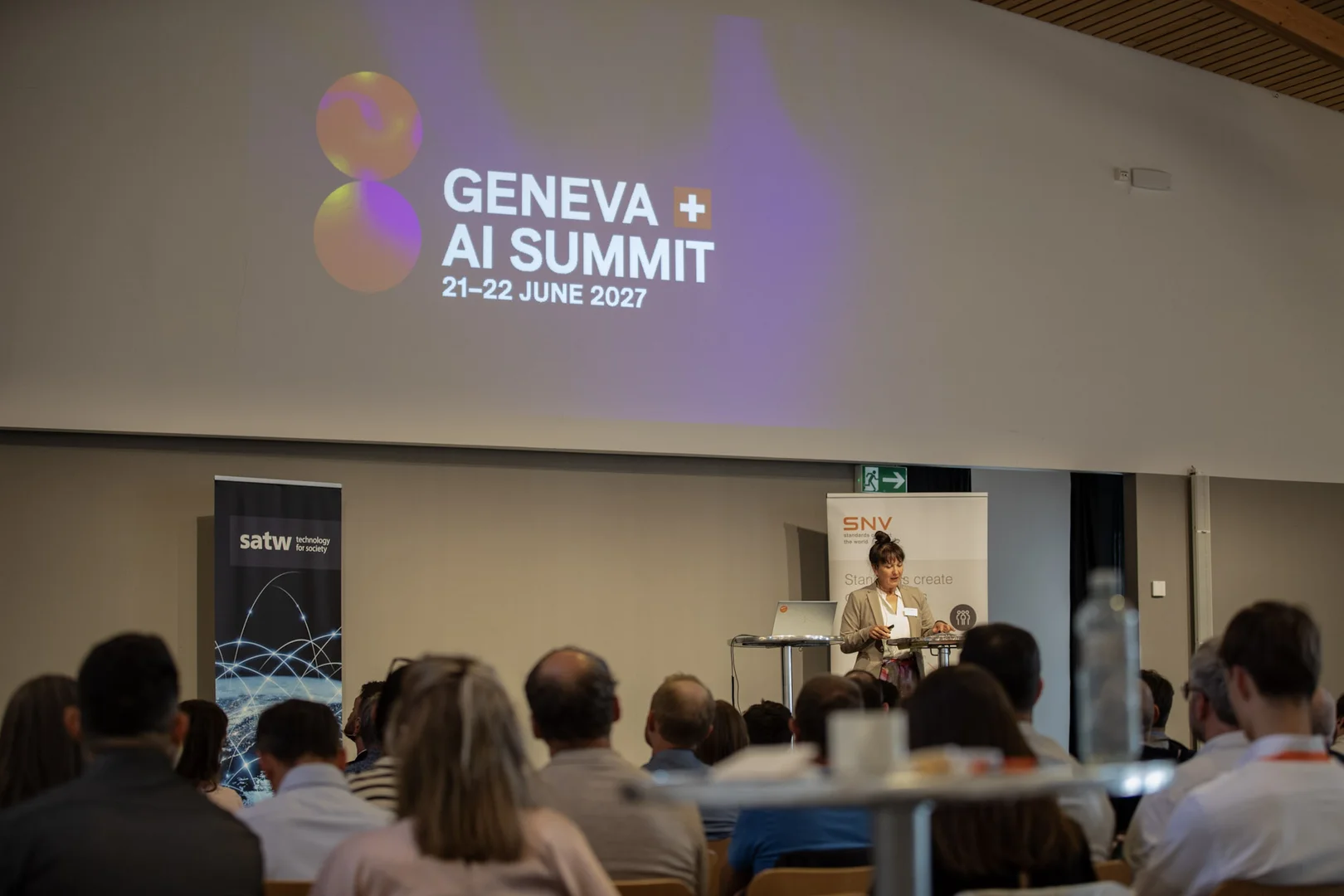
Recognising that significant progress had been made in this work in Switzerland of all places, the SATW, in collaboration with the Swiss Standards Association (SNV), organised the networking event ‘Trust by Design: Standards for Aligned AI Governance’ on the afternoon of Monday 5 October, immediately prior to the plenary meeting.
As part of a SATW awareness-raising campaign, over 100 participants from government, industry, research and standardisation used the networking event to exchange views on AI governance, regulation, risk management and the implementation of the EU AI Act. The high-calibre line-up of experts from the European Commission, international standardisation organisations, universities and companies underscored the relevance of the topic.
Over the following days, around 80 experts from 27 countries gathered for the 15th Plenary Meeting of JTC 21. Following the opening session on Tuesday, the five working groups spent two days working intensively on the further development of European AI standards. The focus was on discussions, processing comments and seeking consensus amongst the various stakeholder groups.
The plenary week also marked an important milestone. Shortly beforehand, EN 18286:2026 ‘Artificial intelligence – Quality management system for EU AI Act regulatory purposes’ – the first harmonised AI standard – had been published. Harmonised standards are regarded as an officially recognised means of implementing the requirements of the EU AI Act and provide legal certainty as well as clear guidance for businesses. Organisations that comply with these standards benefit from a presumption of conformity with the Act and can thus demonstrate that they meet the requirements for high-risk AI systems.
In addition to the technical work, SATW has placed particular emphasis on raising the profile of AI standardisation. Many of the experts involved invest a considerable amount of time over many years in developing standards. Unlike research publications or industrial patents, this work receives little recognition. This is because technical standards do not list individual authors. The focus is on the results, which are based on a broad consensus.
The new SATW overview page offers an insight into the complex world of AI standardisation and highlights the key players and processes behind the development of standards. A series of articles explains how this world is structured and how it works. Another key focus of the campaign is the new series of video interviews with leading figures in European AI standardisation, which was produced during the plenary assembly week in Winterthur.
The series kicks off with a conversation lasting around seven minutes with Sebastian Hallensleben, Chair of JTC 21.
In it, he discusses the challenge of developing standards at the cutting edge of technological development, as well as the role of harmonised standards in the practical implementation of the EU AI Act.
Watch the interview on YouTube.


Discover more background information and the fundamentals of international AI standardisation in our series of articles.