Dr Lisamaria Bracher
BFH
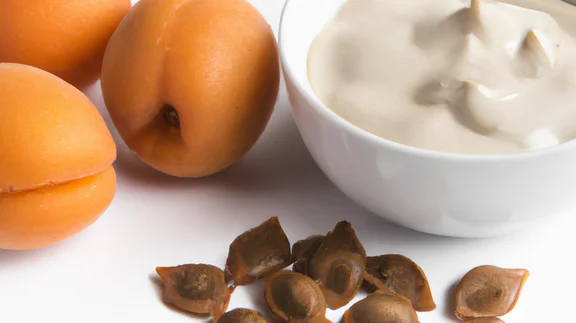
Exploiting the hidden nutritional values of sweet apricot kernels from Valais and locally grown faba beans, these two vegetable raw materials are combined to produce sustainable and innovative protein-rich vegan dairy alternatives. Lactic acid bacterial fermentation is used to form stable acidic gels and to add pleasant taste and flavour to the fermented products.
Translated by an automated translation plugin.
Apricot pits are a byproduct in Switzerland and were investigated in this project as a basis for plant-based yogurt alternatives. By combining them with legume proteins, stable, high-protein prototypes with a yogurt-like texture were developed. Challenges arose particularly in sensory optimization and in the reliable assessment of cyanogenic compounds. The project demonstrated technological potential and laid the groundwork for further research and industrial applications.
Apricot pits are produced in large quantities in Switzerland as a byproduct of fruit processing, but have hardly been utilized to date. This research project investigated their potential as a base for plant-based yogurt alternatives, particularly in combination with legume protein concentrates. The goal was to develop a product that is technologically feasible, nutritionally valuable, and sensorially appealing. Processing the apricot kernels into a fine paste and combining them with protein concentrates resulted in stable gel formation and a consistency comparable to that of firm yogurt. Fermentation with selected starter cultures ensured microbiological safety and contributed to the desired texture. The product had a high protein content but also presented sensory challenges. Taste tests showed that bitter and grainy notes, in particular, impaired acceptability, which could be attributed to the quality of the raw materials. Another key issue was hydrocyanic acid analysis. Initial external measurements indicated extremely high levels, which were later put into perspective by alternative analytical methods. This underscores the importance of standardized and reliable analytical methods for the safe use of apricot kernels. The project’s results confirm the potential of apricot kernels for plant-based yogurt alternatives. At the same time, opportunities for optimization were identified in raw material selection, sensory adaptation, and analytical standardization.
Future work will focus on improving sensory properties, further developing fermentation processes, and reducing fat content. In parallel, implementation partners are being sought to translate the results into industrial applications. This project thus provides a valuable foundation for the sustainable use of plant-based byproducts in the food industry.
In the Food 4.0 programme, the Swiss Academies of Arts and Sciences, under the leadership of the Swiss Academy of Engineering Sciences SATW, support innovative project ideas that are at the very beginning of development. In particular, the programme supports projects that demonstrate new perspectives for the successful development of the Swiss food system. The selected projects make an important contribution to solving the greatest challenges and address the topics of food waste, sustainability and health.
